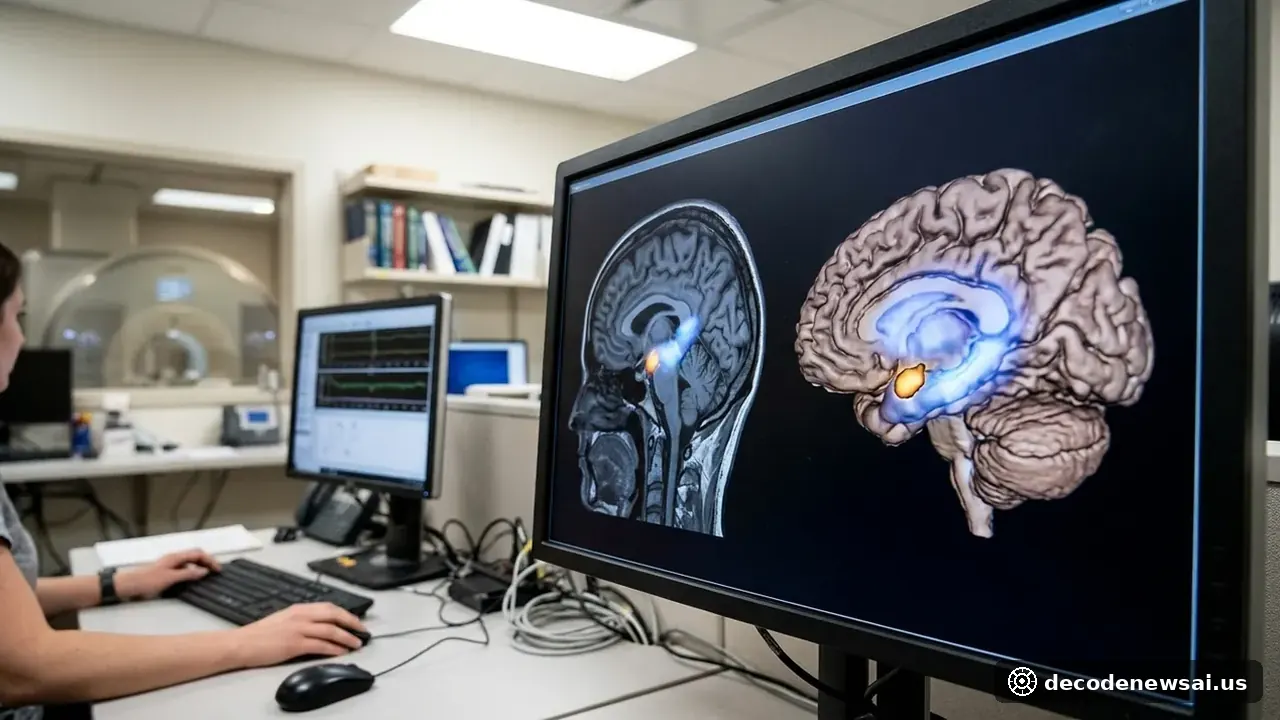
PLYMOUTH, England — Researchers at the University of Plymouth introduced an artificial intelligence model called PRECISE-AGZ in November 2026 that spots bladder cancer warning signs up to five years before diagnosis. Published in IEEE Transactions on Biomedical Engineering, the system detected 85% of cancer cases.
PRECISE-AGZ Selects 38 Features From 48,261 Indicators
Model Narrows 48,261 Health Indicators to 38 Clues
Scientists trained PRECISE-AGZ on anonymized records from nearly 70,000 patients stored in Wales' SAIL database between 1995 and 2020, spanning smoking habits, exercise levels, and prescriptions.
From 48,261 health indicators, the model isolated 38 predictive features. It correctly identified 85% of bladder cancer patients and accurately cleared 91% of healthy individuals, sorting cases into low-risk (under 7%), uncertain (7% to 55%), and high-risk (above 55%) tiers.
Helen Winter Says Screening Could Reduce Cystoscopy Harm
Potential to Reduce Invasive Diagnostic Procedures
Standard bladder cancer confirmation frequently requires invasive cystoscopy, while early symptoms often go unnoticed in primary care.
"Bladder cancer has a major unmet need in early detection and the prospect of a screening tool is hugely exciting for patients and their families," said Dr. Helen Winter, noting it could catch cancer earlier and reduce harm from invasive procedures.
Researchers Plan PRECISE-AGZ Referral Pathway Trials
Clinical Validation Planned in Primary Care
The research team plans prospective clinical trials to test whether PRECISE-AGZ can be integrated safely into routine doctor referral pathways.