NAGOYA, Japan - Researchers at Nagoya University have developed a targeted gum disease therapy. The therapy uses chicken egg-yolk antibodies and near-infrared light. It kills harmful bacteria. It spares beneficial oral microbes.
Precision Targeting Replaces Broad Antimicrobials
Standard periodontitis treatments include antibiotics and conventional light therapy. They wipe out both helpful and harmful bacteria. They disrupt the mouth's microbial balance.
"Current treatments for periodontitis, including antibiotics and antimicrobial photodynamic therapy (aPDT), eliminate both pathogenic and beneficial oral bacteria," said Nagoya University lecturer Kazuhide Sato. He was co-corresponding author. The study was in the Journal of Translational Medicine.
Low-Cost Egg-Yolk Antibodies Spare Gum Cells
The team targeted the keystone pathogen Porphyromonas gingivalis. Healthy tissue was not harmed. They adapted a cancer technique called near-infrared photoimmunotherapy into NIR-PAT2.
They linked a light-sensitive dye to IgY antibodies. The antibodies came from immunized hens' egg yolks. They were harvested cheaply in bulk.
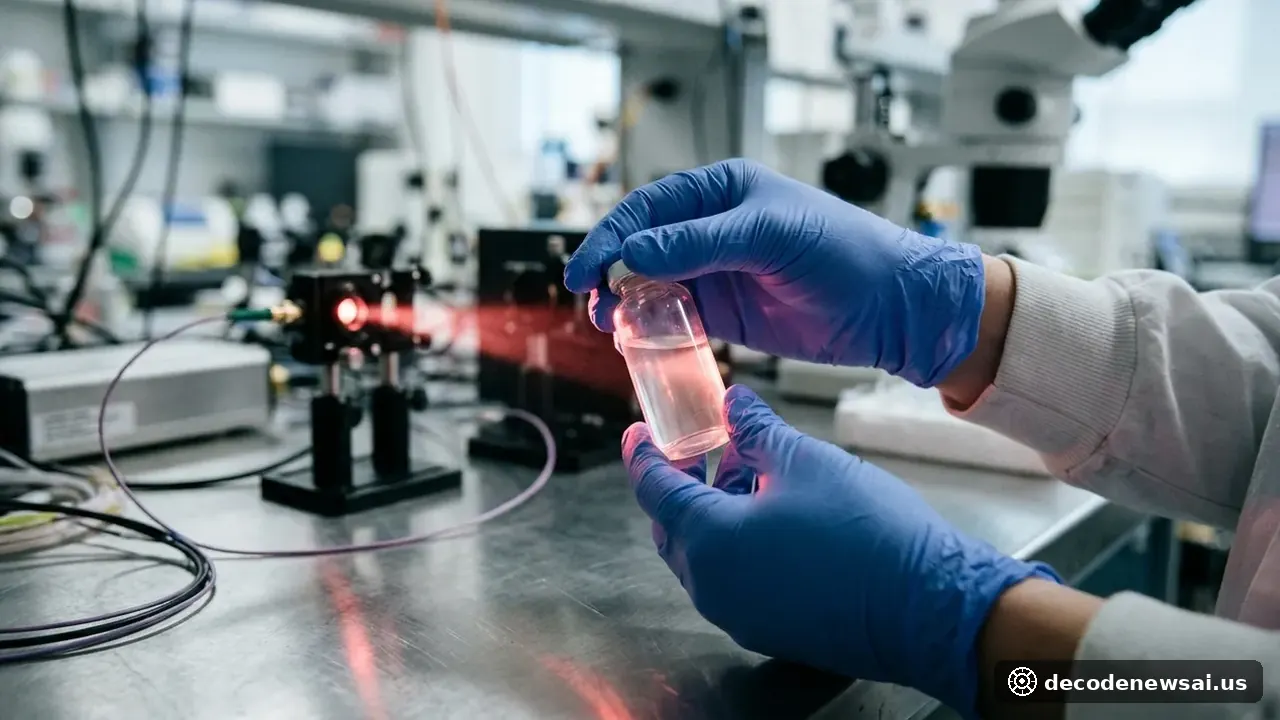
Under near-infrared light, the compound punctured target bacterial membranes. It did not shatter cells. It did not damage human gum cells.
Mouse Bone Loss Drops Ahead of AI Expansion
In mouse periodontitis models, the experimental treatment significantly reduced alveolar bone loss. Saliva tests showed beneficial Streptococcus bacteria remained intact.
Human clinical trials have not yet begun. The researchers plan to use artificial intelligence. They plan to analyze public oral microbiome data. They seek additional bacterial targets linked to conditions like diabetes and rheumatoid arthritis.