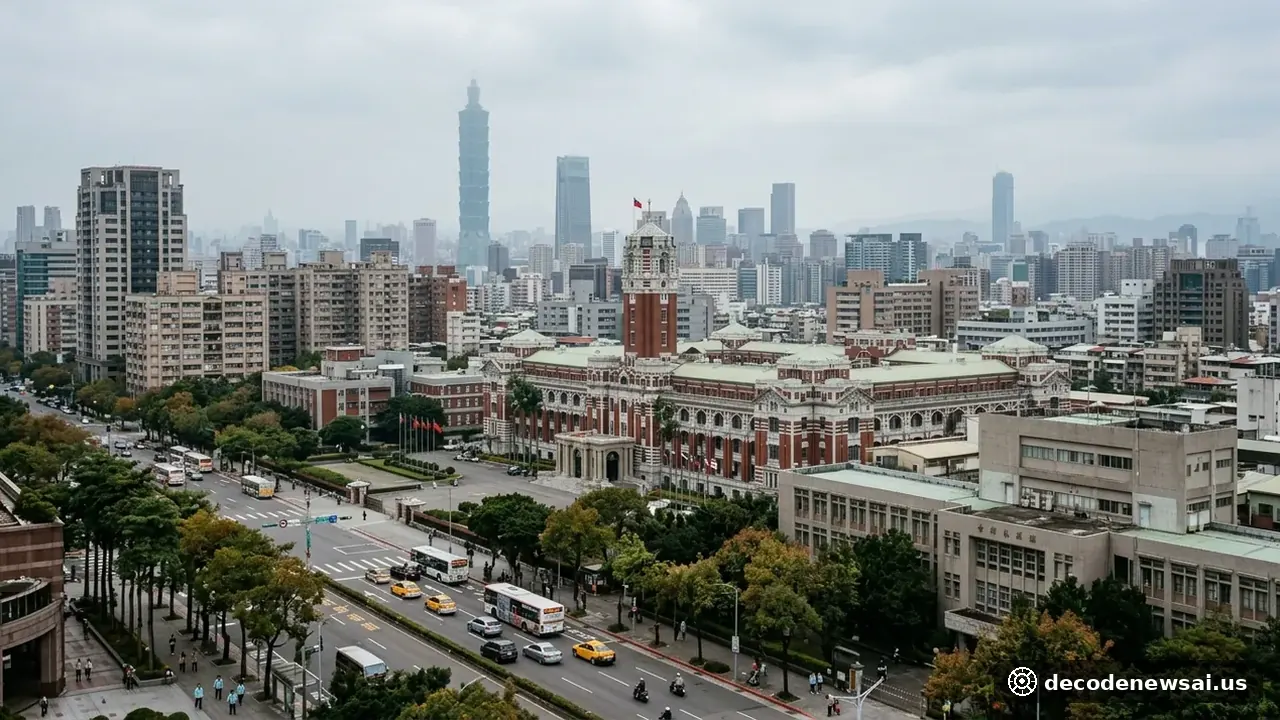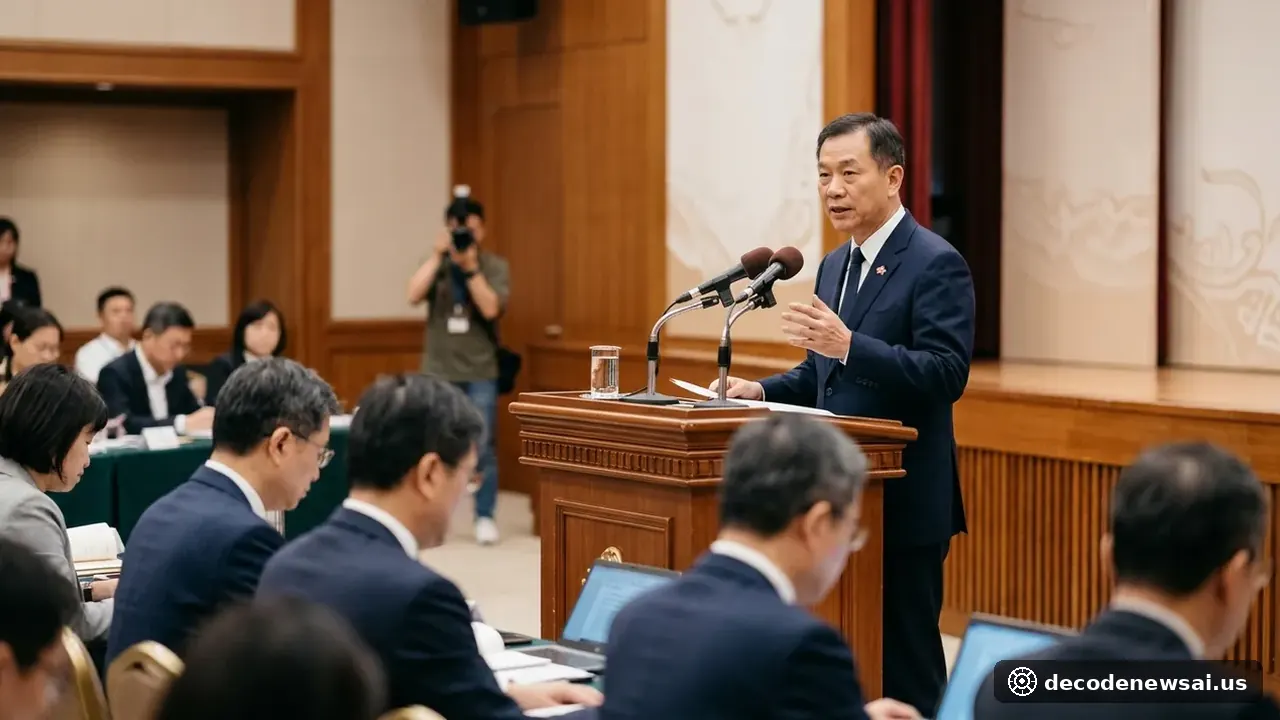
TAIPEI - Taiwan's Mainland Affairs Council Minister Chiu Chui-cheng warned on Nov. 22 that China's Ethnic Unity and Progress Promotion Law shifts Beijing's legal warfare from opposing independence to forcing unification. Speaking at a Taipei forum hosted by the Tibet Religious Foundation of His Holiness the Dalai Lama, Chiu outlined three risks from the law implemented on July 1.
Law Brings Taiwan Into China's Ethnic Framework
Law Incorporates Taiwan Into Ethnic Work
China's July 1 legislation explicitly brings Taiwan within Beijing's ethnic affairs framework for the first time and directs authorities to deepen cross-strait integration. Beijing frames the statute around "forging a strong sense of community for the Chinese nation" while requiring education, culture, religion, and language sectors to follow party ideological goals. Chiu told the seminar that the law wraps national unification inside ethnic unity and lets authorities label anyone who declines to promote unification as undermining ethnic unity.
Extraterritorial Clauses Raise Taiwan Travel and Repression Risks
Extraterritorial Clauses Raise Travel Risks
Chiu said the law includes extraterritorial provisions designed to extend Beijing's long-arm jurisdiction and enable transnational repression beyond China's borders. Under Taiwan's existing travel advisory, the government maintains an orange alert for China, Hong Kong, and Macau, urging residents to avoid nonessential trips. "Chiu said the Cabinet has overseen the establishment of an interagency coordination platform on transnational repression. It will also continue to actively respond on three fronts: prevention, protection, and countermeasures, in order to safeguard Taiwan's freedom and democracy," Radio Taiwan International reported on Nov. 23.