Warming Halted Next Ice Age That Had Already Begun 2,000 Years Ago, Study Finds
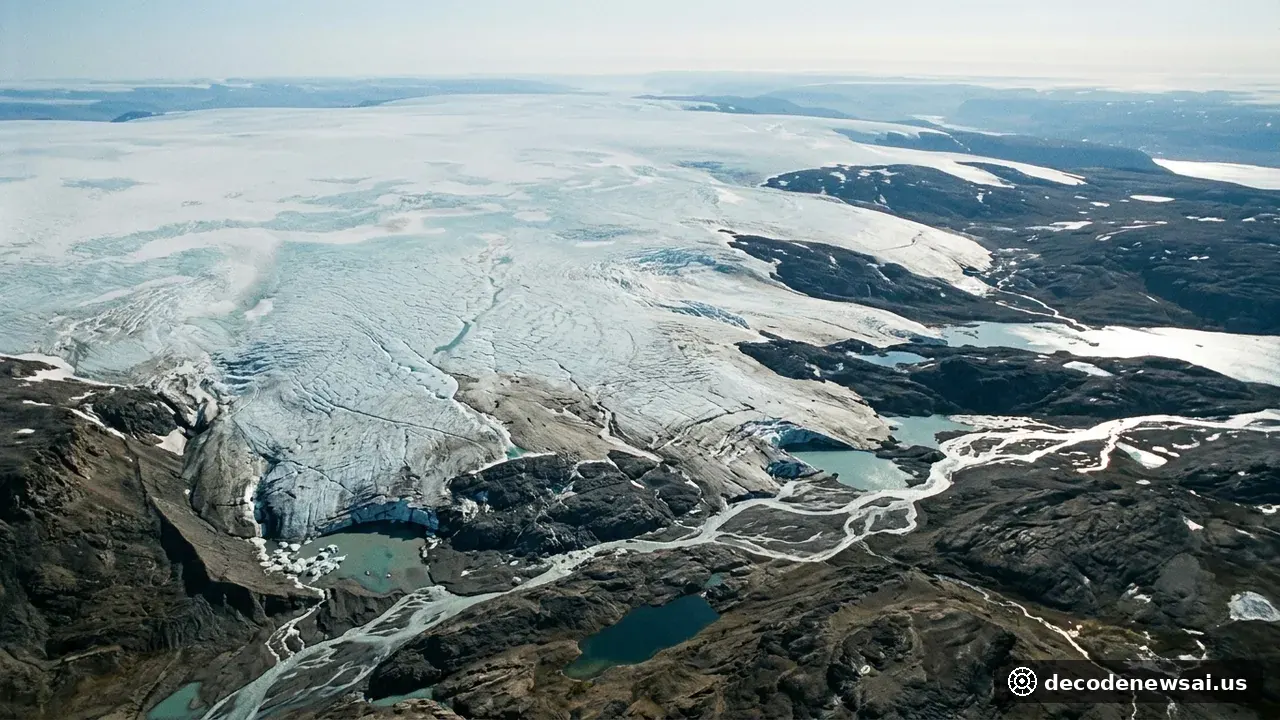
NEW YORK - Scientists studying ancient plants beneath Canada's Barnes Ice Cap reported in Science and highlighted on Nov. 24 that Earth's next glacial period began expanding about 2,000 years ago. 1960s global warming reversed it.
Radiocarbon Dating Tracks Remnant Laurentide Ice Sheet
Geochemists Nicolás Young and Joerg Schaefer at Columbia Climate School's Lamont-Doherty Earth Observatory examined vegetation emerging from beneath the Delaware-sized Barnes Ice Cap on Baffin Island. It was the last remnant of the Laurentide Ice Sheet. Because the ice cap is frozen to its bedrock and does not slide, radiocarbon dating of preserved plants showed the ice reached its smallest extent roughly 3,000 years ago. It expanded again around 2,000 years ago.
1960s Summer Heat Reversed Early Glacial Growth
Many climate models placed the next glaciation thousands of years ahead, but the authors define sustained ice-sheet regrowth as its onset. Regrowth is the onset. "It was just getting started, everything was normal, the next glaciation was about to happen -- and yet it stopped," Young said. Young noted full continental regrowth would have taken about 30,000 years had 1960s summer melt not outpaced winter snowfall.
Total Loss of Ice Cap May Alter Future Cycles
Models project the Barnes Ice Cap could vanish entirely within the next few centuries. The loss would erase the final remnant. That remnant historically seeded North American ice ages through positive feedback. Researchers said they cannot yet predict when future glaciations might start under elevated greenhouse gas levels.