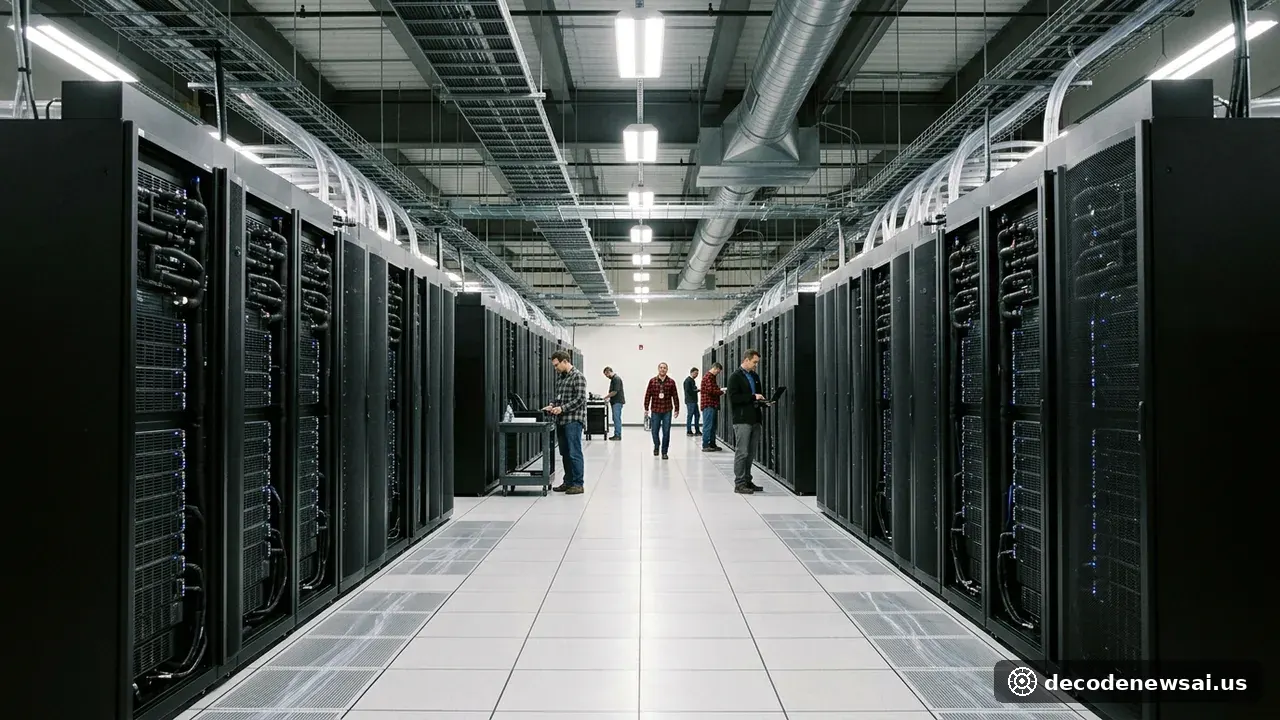
LEMONT, Ill. - Marking the first anniversary of the U.S. Department of Energy's Genesis Mission on Nov. 24, 2026, Argonne National Laboratory highlighted the deployment of its Tara supercomputing system, which expands available GPU memory for scientific AI inference by roughly 100-fold.
Exascale-Class Hardware Hosts Over 50 Models
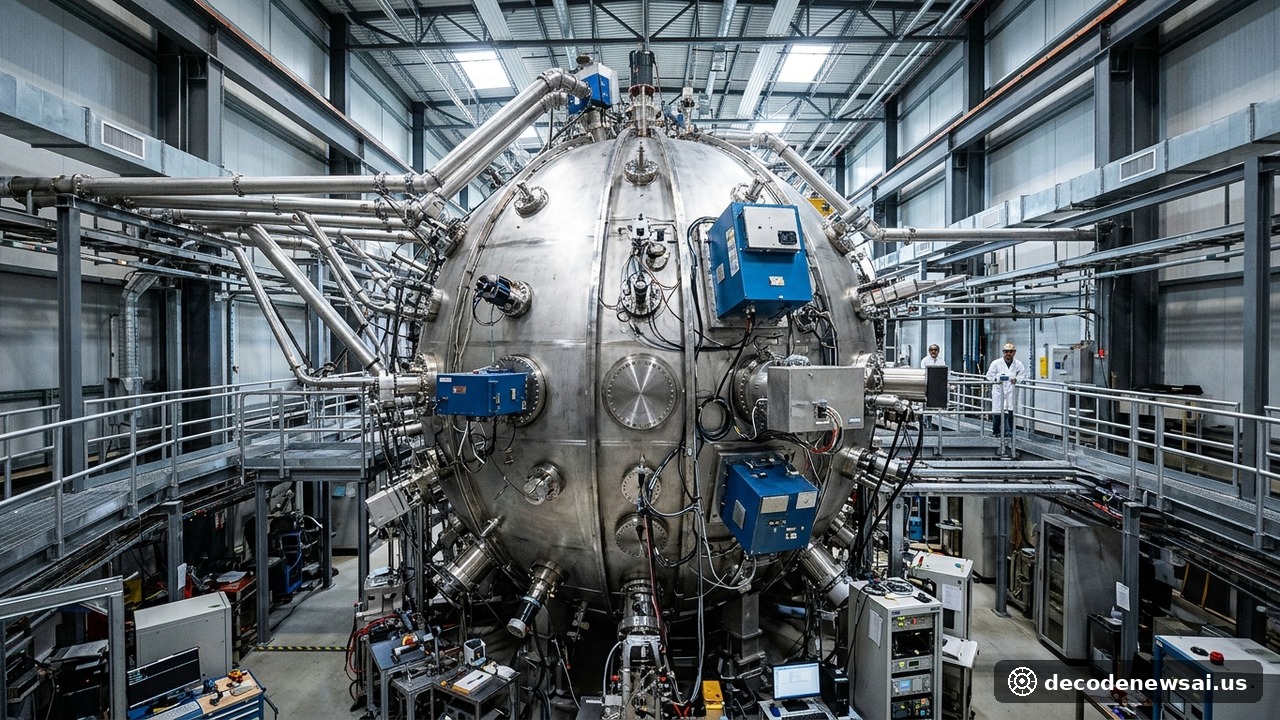
Built with Hewlett Packard Enterprise on its Cray Supercomputing EX4000 architecture, Tara packs 672 compute nodes and 2,688 NVIDIA GH200 Grace Hopper Superchips totaling 258 TB of GPU memory. Alongside the new eight-node Minerva cluster and an expanded Metis platform, Argonne's Inference Service now hosts more than 50 open-weight language, vision, and scientific foundation models. According to the DOE's Nov. 24 anniversary report, "DOE's Argonne National Laboratory announces the deployment of Tara, a major expansion of its SI computing infrastructure that increases available GPU memory by approximately 100-fold, enabling researchers to run advanced SI models, automate scientific workflows, and accelerate discovery in support of the Genesis Mission and U.S. scientific leadership."
Autonomous X-Ray Experiments Take Shape
At Argonne's Advanced Photon Source, researchers recently used plain-language prompts to guide a live X-ray experiment on a microelectronics sample, letting vision models locate target features without manual steering. Teams are also training robotic arms to mimic human lab techniques.
Scaling Toward 100,000 Persistent Research Agents
Launched on Nov. 24, 2025, under Executive Order 14363, the Genesis Mission now spans 297 research teams across 369 institutions in all 50 states. Argonne computing chief Rick Stevens previously outlined a DOE goal to run roughly 100,000 persistent AI agents across federal research infrastructure by 2029.