Scientists Identify Brain's Myelin 'Brake' Linked to Depression and Anxiety
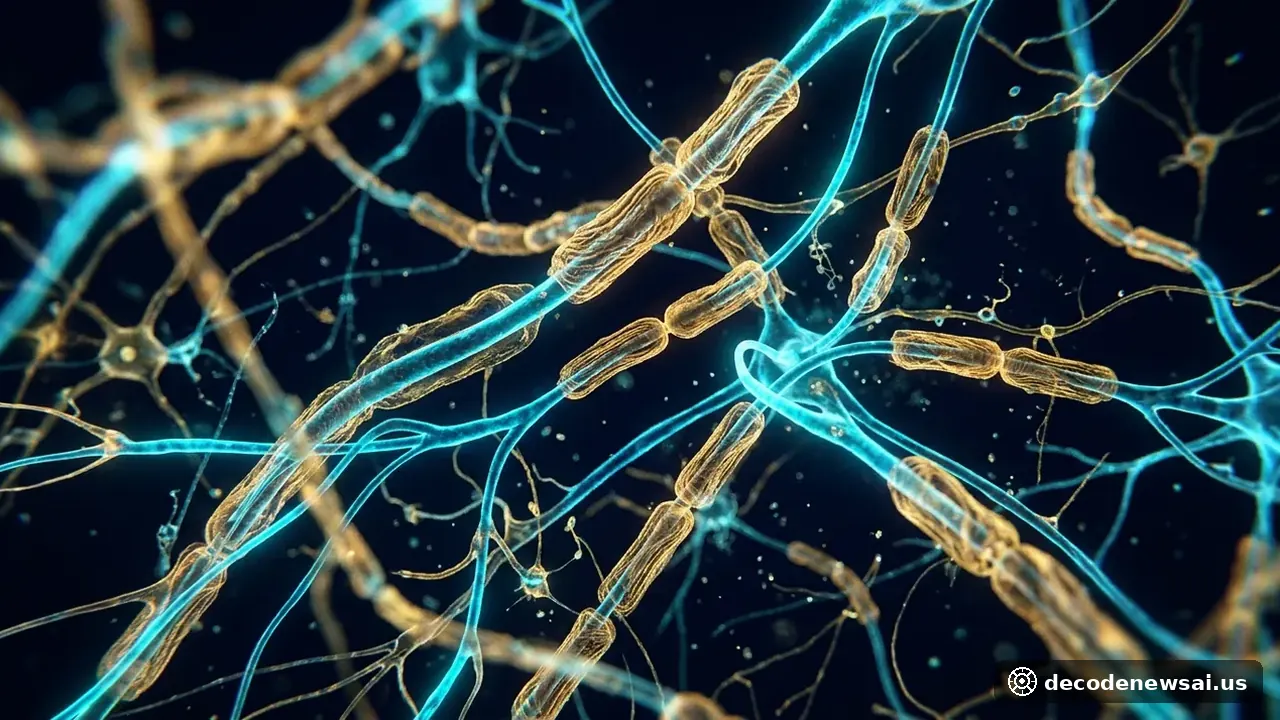
DALLAS - UT Southwestern Medical Center researchers reported in Science Advances on Nov. 25. They described a specialized cellular recycling process. It acts as a biological brake preventing excessive myelin growth in the brain.
ER-Phagy Curbs Lipid Production Inside Nerve-Insulating Cells
Myelin is the fatty insulation speeding electrical signals along nerve fibers, yet overly thick myelin disrupts circuit timing. It correlates with depression, anxiety, and PTSD.
Lu Sun, Ph.D., led the team. Tingxin Zhang was first author. "ER-phagy is highly active in oligodendrocytes during myelin membrane expansion, and its impairment leads to ER accumulation, elevated sphingolipid production, and excessive myelin thickening," the team wrote.
Genetic Rescue Confirms Mechanism and Social Behavior Link
In mouse experiments, disabling autophagy caused thicker myelin sheaths and altered social behavior. Motor function stayed normal. Roughly 35% of upregulated proteins resided in the endoplasmic reticulum.
Deleting the lipid-making Cers2 gene reversed the excessive myelination. It succeeded.
Discovery Opens New Path for Psychiatric Research
Sun noted that scientists long understood the cellular accelerators driving myelination. The brakes keeping growth in check were unclear.
ER-phagy is a promising new focus. It is a focus for studying neurodevelopmental and mental health disorders.