Global Ocean Iodine Will Not Offset Future Air Pollution, Study Finds
YORK, England - Ocean iodine emissions will dip by 3% by 2100 instead of surging as previously expected, meaning warming seas will not curb future surface ozone pollution, researchers reported on Nov. 25 in Science Advances.
Warming Seas Trap Iodine Below the Surface
Scientists from the University of York, University of Reading, and University of East Anglia combined updated ocean and atmospheric models to overturn earlier forecasts of a 36% emission increase. Higher sea temperatures alter surface solubility and mixing so iodine stays deeper in the water, nudging its share of global ozone destruction down from 10.7% to 10.2% by century's end.
Air Quality and Natural Cooling Lose Buffer
Less airborne iodine leaves more toxic ground-level ozone—linked to roughly one million premature deaths annually and crop damage—lingering in the lower atmosphere. "Warmer seas were expected to release more iodine, but the heat works the other way. As the water warms, iodine is pulled deeper into the ocean instead of escaping into the air," lead author Ryan Pound said on Nov. 25, noting fewer iodine particles also reduce sunlight-reflecting clouds.
Melting Arctic Sea Ice Drives Regional Spike
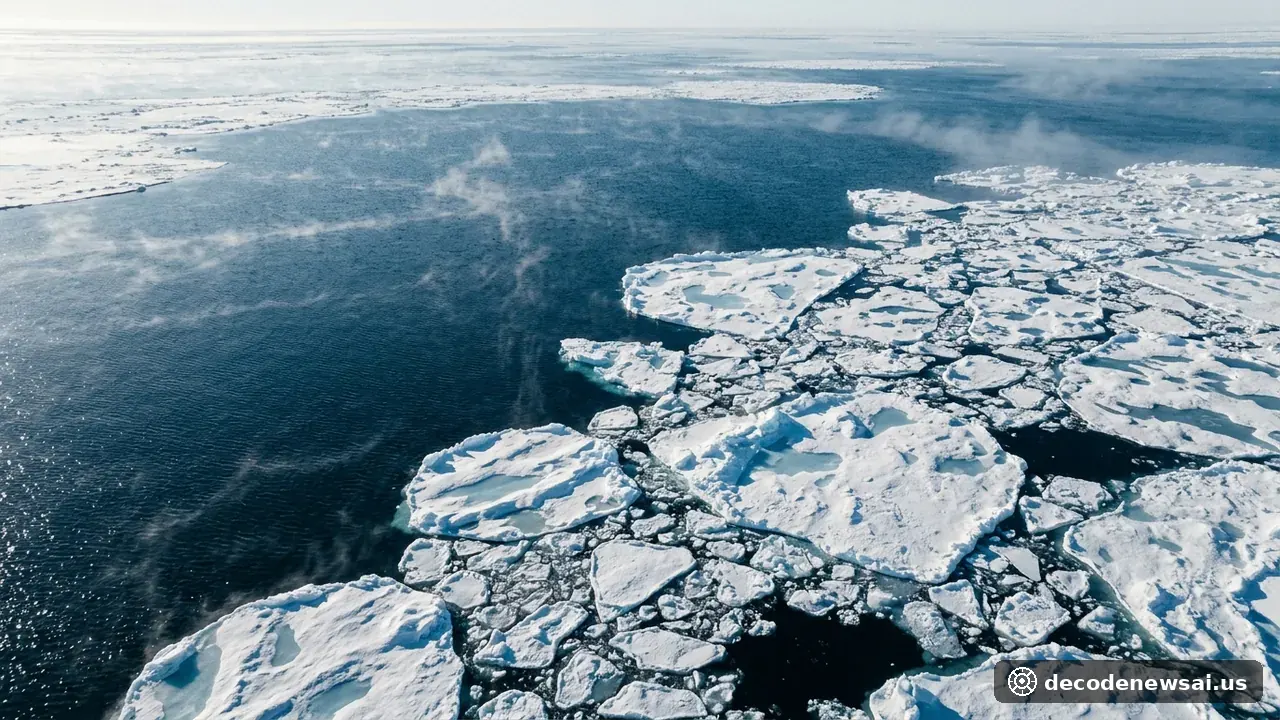
While global emissions stall, retreating Arctic sea ice exposes open seawater to air and is projected to drive a 143% surge in Arctic iodine emissions by 2100. That polar spike could strip away springtime surface ozone across the Arctic Circle, though researchers stressed climate models must still clarify how iodine behaves on snow and ice.