EU Budget Talks Collapse Over €45 Billion Ukraine Loan Dispute
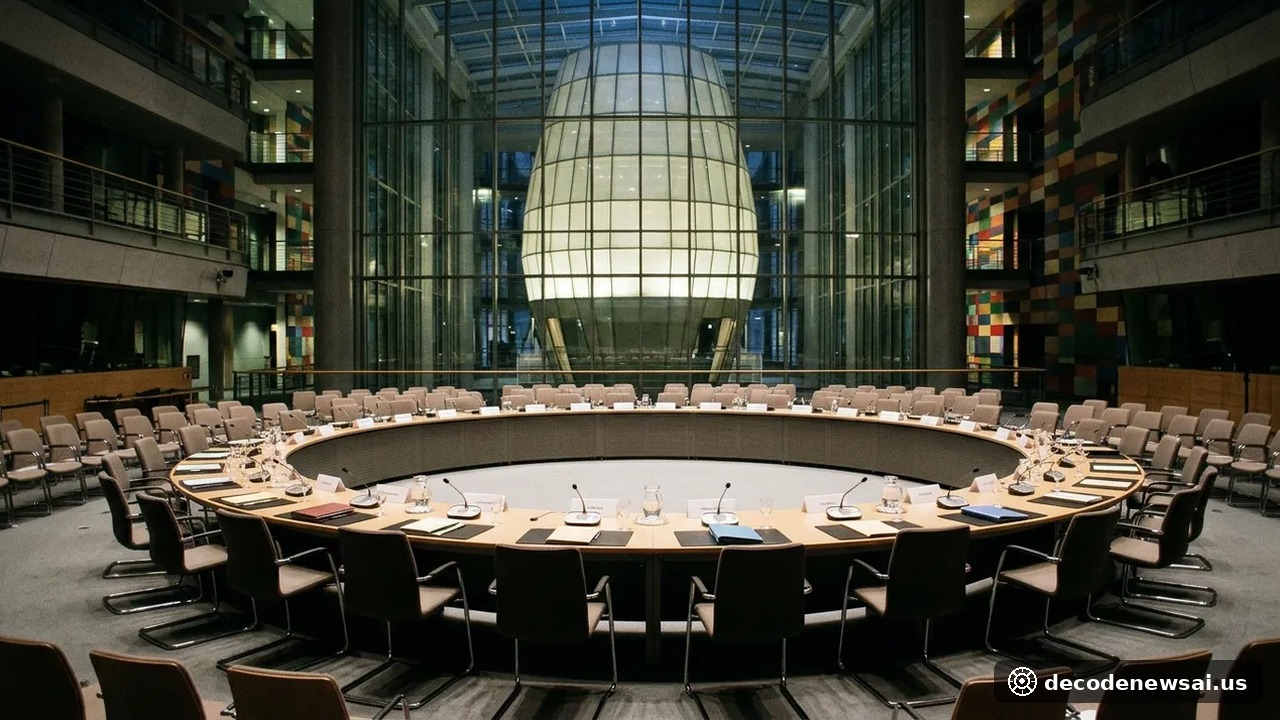
Photo: AI-generated
EU Budget Talks Collapse Over €45 Billion Ukraine Loan Dispute
BRUSSELS — European Union leaders ended more than 12 hours of budget negotiations early on Nov. 27 without an agreement on the bloc's €1.78 trillion long-term spending plan, leaving a proposed €45 billion ($49.4 billion) loan for Ukraine in limbo. Leaders canceled the summit's planned second day and will reconvene on Dec. 17–18 ahead of a year-end deadline.
Member States Split Over Budget Cuts and Subsidies
European Council President António Costa told reporters at 1:30 a.m. in Brussels that the 27-nation bloc failed to bridge deep divisions over the 2028–2034 budget. Costa's Nov. 21 compromise trimmed roughly €204 billion from the European Commission's original proposal, yet German Chancellor Friedrich Merz argued spending remained too high. Conversely, Italian Prime Minister Giorgia Meloni and 17 cohesion-focused governments opposed deeper cuts to regional and farm subsidies.
Three Nations Oppose 2027 Ukraine Aid Package
The stalled budget talks snagged a Commission proposal for €45 billion in 2027 loans to cover €25 billion in Ukrainian military expenses and €20 billion in civilian needs. Costa confirmed 24 of 27 members backed the loan, with Bulgaria joining only the non-military portion, while Slovakia, Hungary, and Czechia sought to opt out. Merz threatened to veto the seven-year budget unless all members share the Ukraine burden, prompting Slovak Prime Minister Robert Fico to accuse Berlin of blackmail.
Upcoming French Election Adds Year-End Pressure
French President Emmanuel Macron warned that April's French presidential election, where far-right leader Marine Le Pen leads in opinion polls, leaves him unable to negotiate past Dec. 31. "I won't be politically and democratically in a position after December 31 to be able to relaunch a discussion on the budget and to conclude it," Macron said. Leaders also clashed over Costa's proposed €5 billion annual digital services tax to help repay €850 billion in pandemic recovery debt, which Ireland and the United States oppose.
Sources
- PBS NewsHour (AP): A Ukraine loan is in limbo after EU budget talks stall. Leaders will try again
- The Guardian: EU leaders wrestle over Ukraine aid as potential Le Pen victory sparks fear
- European Interest: EU budget talks stall, leaving Ukraine loan in limbo; leaders to reassess in three weeks
- MLQ.ai: EU leaders end budget summit without a deal, push talks to December