Taiwan Economy Flashes Record 11th Straight Red Light in October
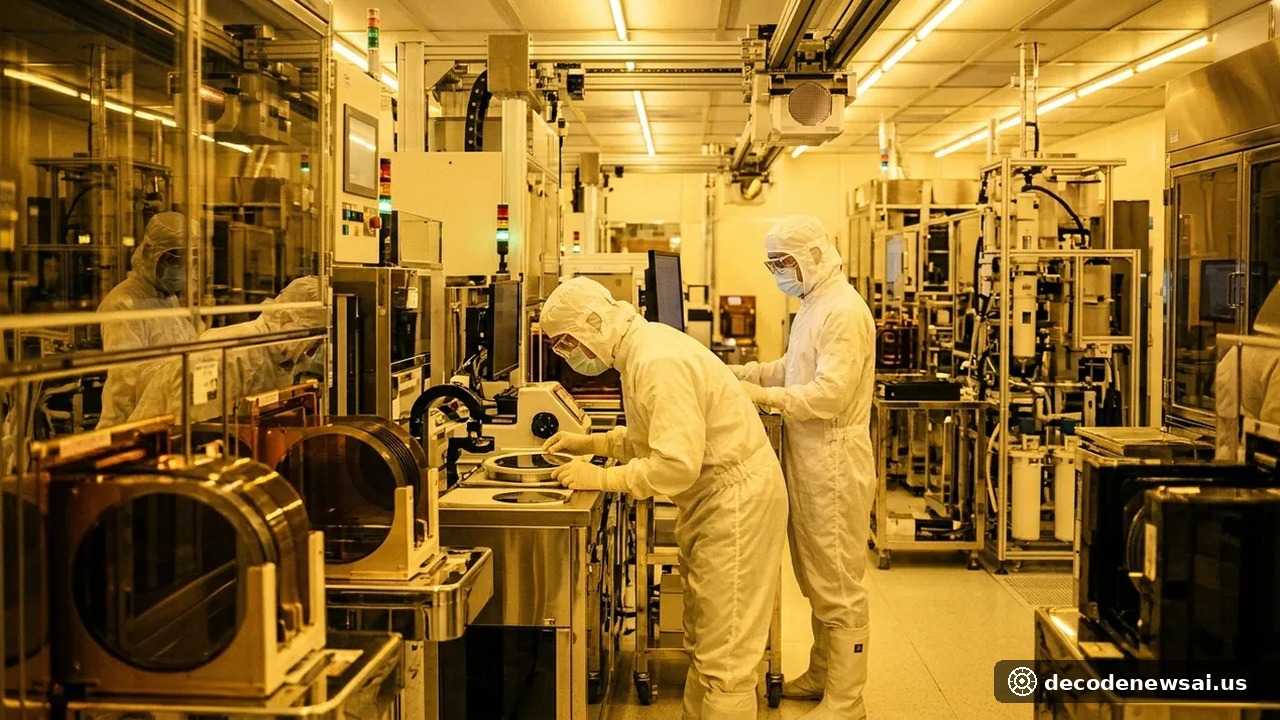
Photo: AI-generated
Taiwan Economy Flashes Record 11th Straight Red Light in October
TAIPEI, Taiwan — Taiwan's economy flashed a red light for a record 11th consecutive month in October as its composite business cycle score stood at 40 points, the National Development Council reported on Nov. 27. While artificial intelligence demand continued to drive surging exports and industrial output, manufacturing sentiment cooled slightly ahead of potential shifts in global trade policy.
AI Demand Fuels Surge in Imports and Exports
Booming demand for artificial intelligence hardware drove Taiwan's machinery and electrical equipment imports up 114.8% year-on-year in October, accelerating sharply from 82.2% in September. Industrial production rose 30.5% from a year earlier, while manufacturing sales climbed 22.4% and export orders reached $123.82 billion for a seventh straight monthly gain. The council's leading indicator rose 0.46% month-on-month to 104.64, marking its 15th consecutive monthly increase.
Manufacturing Sentiment Drops to Green Light
The composite score slipped one point from 41 in September solely because the Manufacturing Business Climate Index fell from 101.79 to 98.94, shifting from a yellow-red to a green light. "While AI-related demand continued to support Taiwan's economy, international political and economic developments, including the U.S. midterm elections, had dampened confidence among some businesses," said Chen Mei-chu, director of the council's Economic Development Department. Electronics and information technology firms remained cautiously optimistic, whereas petrochemical and transportation equipment makers reported weaker confidence. The council added that capital spending by nine major global cloud providers is projected to reach about $1.5 trillion next year despite recent stock market volatility.
Officials Flag Three Key Global Uncertainties
Looking ahead, the National Development Council expects stable domestic employment, corporate bonuses, and expanded technology budgets to sustain investment and household spending. However, officials warned that post-election U.S. trade policies, shifting geopolitical conditions, and global central bank monetary policies require close monitoring in the months ahead.
Sources
- Focus Taiwan (CNA): Taiwan's economy 'booming' for 11th straight month, setting a record
- Taiwan News: Taiwan economy flashes red light for record 11th straight month
- BigGo Finance: Taiwan's Business Cycle Score Extends Record 11-Month Red-Light Streak; Manufacturing Confidence Dips Below 100, Turns Green
- TradingView (cnYES): 〈景氣燈號〉連11紅寫最長周期!10月續亮40分紅燈 國發會點名3大潛在風險