Canada's Top Court Largely Upholds Quebec's Religious Symbols Ban
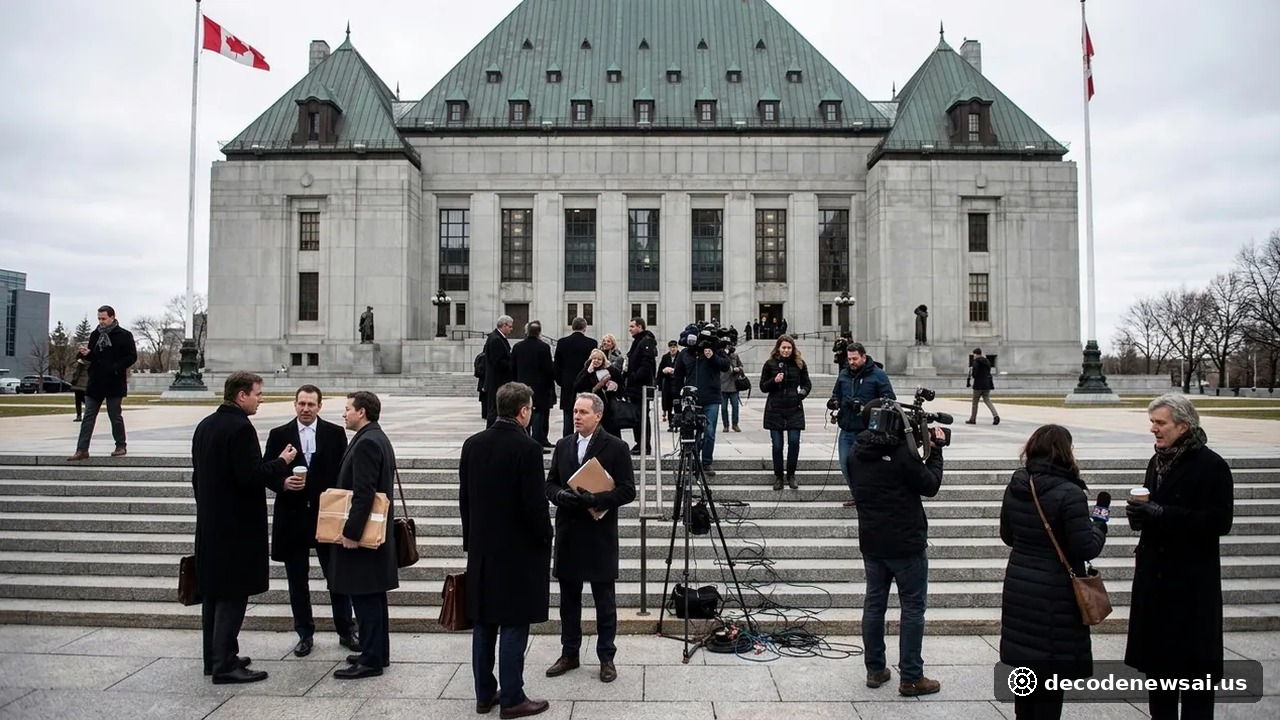
OTTAWA - The Supreme Court of Canada issued a 520-page ruling on Nov. 27 largely upholding Quebec's 2019 Bill 21, allowing the province to keep barring teachers, police officers, and judges from wearing religious symbols on the job. Seven justices heard the landmark case involving 51 interveners.
Notwithstanding Clause and Charter Challenges
The court ruled 6-1—and 7-0 on the validity of the invocation itself—that Quebec lawfully used Canada's constitutional notwithstanding clause to shield Bill 21 from key Charter challenges. Quebec renewed that shield for five years in June 2024. By narrow 4-3 majorities, justices rejected arguments based on sex equality under Section 28 and English-language school board rights under Section 23, though all seven justices struck down Section 8's face-covering ban for National Assembly members.
State Secularism and Judicial Declarations
Chief Justice Richard Wagner wrote for the court, "Bill 21 is rooted in Quebec's legitimate and historical commitment to ensuring the laicity of the state in a free and democratic society," explaining why the law survived broad invalidation. A 4-3 majority also confirmed that Canadian courts may issue non-binding declarations of Charter inconsistency even when the notwithstanding clause applies, though the court declined by 4-3 to issue one here.
Political Path Ahead of 2029
As Canada's final appellate ruling, the decision leaves Quebec's workplace restrictions intact except for elected lawmakers. Civil liberties advocates and affected educators must now focus on provincial politics before Quebec's current five-year notwithstanding clause renewal expires in 2029.