Lufthansa 747's Tail Skims the Tarmac at LAX Before Pilots Punch the Throttle
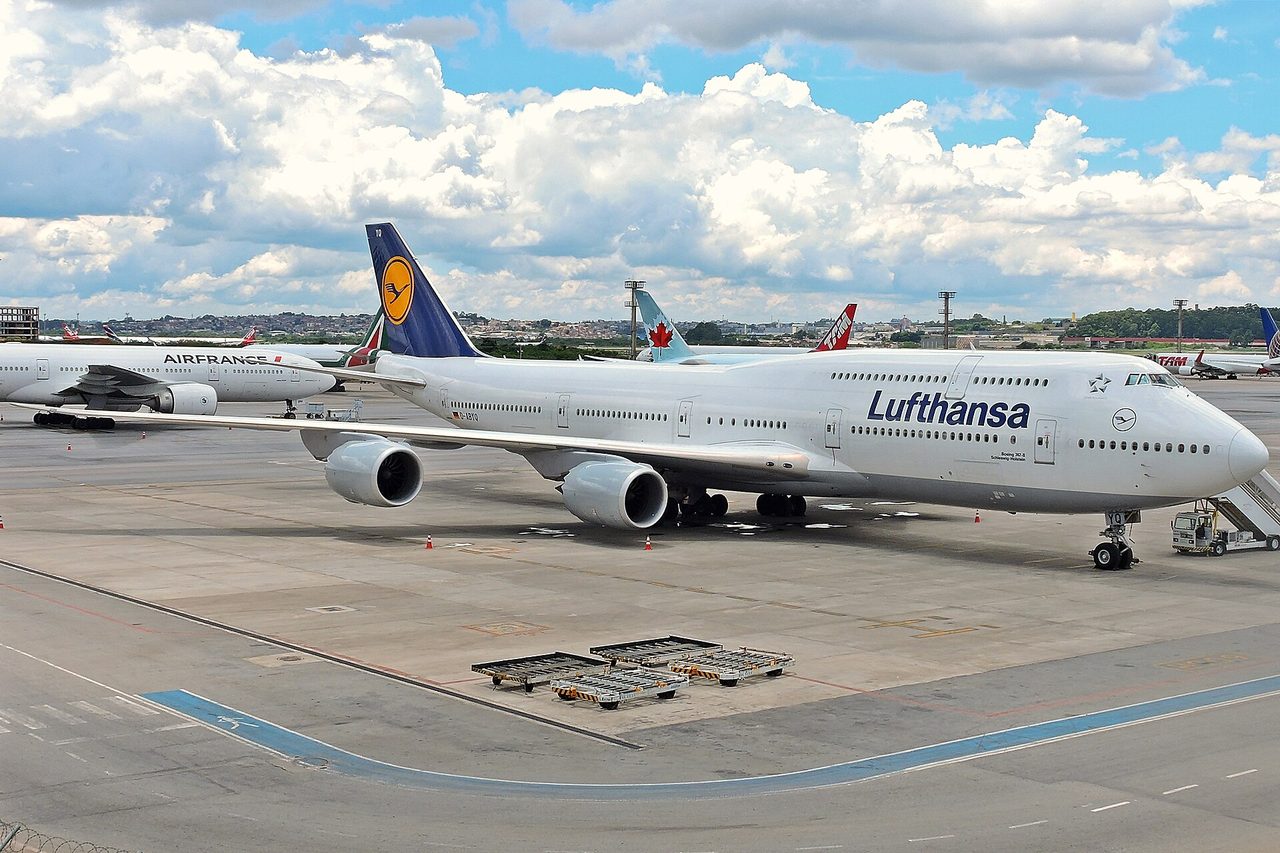
Photo: Rafael Luiz Canossa / CC BY-SA 2.0 · via Wikimedia Commons
Lufthansa 747's Tail Skims the Tarmac at LAX Before Pilots Punch the Throttle
LH456 Floats Long on Runway 24R and Aborts Its First Landing
On Saturday afternoon, October 10, 2026, Lufthansa flight LH456 from Frankfurt arrived at Los Angeles International Airport and lined up for runway 24R. The aircraft, a Boeing 747-8 registered D-ABYK, floated farther down the runway than expected; its main gear touched down only briefly, well past the normal aim point. According to CBS News, the crew elected to abandon the landing and applied go-around power. The jet pitched up sharply, and in the footage its rear fuselage appeared to pass just inches above the concrete before the four-engine widebody climbed away. The sequence was captured live by the planespotting channel Airline Videos Live and picked up by the Daily Mail, the Mirror and the Economic Times.
Lufthansa Calls the Maneuver a Rehearsed Standard Procedure
A Lufthansa spokesperson told Simple Flying: "LH456 performed a go-around on October 10 while approaching Los Angeles and landed normally and safely on its second attempt. This is a standard procedure that has been well-rehearsed. Safety is always a top priority at Lufthansa." The statement confirms only that the crew went around and that the second approach was routine. It gives no figure for the tail-to-runway clearance and makes no mention of an investigation. AviationA2Z and the Mirror likewise describe a gap of "inches" while stating that no actual tail strike is visible in the video.
Touchdown Came With Only 6,000 Feet of Runway Left
Explanations so far come from aviation outlets rather than regulators. One Mile at a Time reports that the aircraft touched down too late, with roughly 6,000 feet of runway remaining, leaving the crew unable to stop comfortably in the distance left, so they pulled up at the last moment. The Daily Mail describes a jet that "floated along the runway before finally touching down much farther along than expected," with the remaining pavement running out quickly. Because the go-around was initiated at a steep angle, the tail of an aircraft roughly 250 feet long and more than 60 feet tall swung down toward the surface, producing the arresting images.
Commentators Say the Footage Overstates the Risk
Not every aviation site reads the video as a near-disaster. Live and Let's Fly argues that the tail looks close but is "probably not as dangerous as it might appear to the naked eye," noting there is no sign of a strike as the aircraft climbs away. One Mile at a Time adds that even a genuine tail strike can range from a routine inspection to months out of service, so visual drama and actual risk should not be equated. Swikblog writes that as of October 11 the exact clearance remained unconfirmed and that no incident-specific statement from Lufthansa or the FAA had been independently verified.
The Return Sector Left Nearly an Hour Behind Schedule
The clearest fallout fell on the same airframe's next flight. LH456 landed safely on its second attempt, though timings differ by outlet: Simple Flying and AviationA2Z put touchdown at 1:33 PM, about 15 minutes after the aborted attempt, while the Mirror and the Economic Times report roughly 1:45 PM and about 30 minutes behind schedule. The aircraft was due back out as LH457 at 3:05 PM local time but departed around 4:00 PM, close to an hour late; AviationA2Z puts the delay at roughly 55 minutes.
No Damage, and an Early Arrival Back in Frankfurt
Simple Flying reports that D-ABYK's tail never made contact with runway 24R, so there was no damage requiring the jet to be withdrawn for inspection or repair. AviationA2Z says LH457, despite the late departure, arrived in Frankfurt ahead of schedule on October 11, limiting the disruption to Lufthansa's transatlantic timetable. That matches the Daily Mail's conclusion that no visible tail strike occurred and the aircraft climbed away cleanly.
Whether Regulators Will Look Into It Remains Open
No authority has published findings or reporting requirements on the episode, and Lufthansa has not promised to release a technical report. A relevant precedent sits in the same airport: in April 2024, another Lufthansa 747-8, D-ABYP, landed hard at LAX, bounced and went around while being flown by a training captain. If this go-around is classed as a reportable event, D-ABYK could face additional checks; if the "standard procedure" framing stands, it will likely remain little more than a viral clip.
Sources
- Simple Flying: Lufthansa Boeing 747-8 Escapes Tail Strike By Inches At LAX As Pilots Abort Landing
- One Mile at a Time: Lufthansa Boeing 747 Performs Eye-Catching Go-Around At LAX
- Daily Mail: Boeing 747 inches from disaster as jumbo jet narrowly avoids tail strike in aborted LAX landing
- Mirror: Lufthansa jumbo jet inches from disaster as it dramatically aborts LAX landing
- Economic Times: Tragedy averted as Lufthansa jumbo jet's tail almost touches the runway at Los Angeles International Airport