Albertsons Wants .3 Billion From Kroger; Delaware Trial Looms
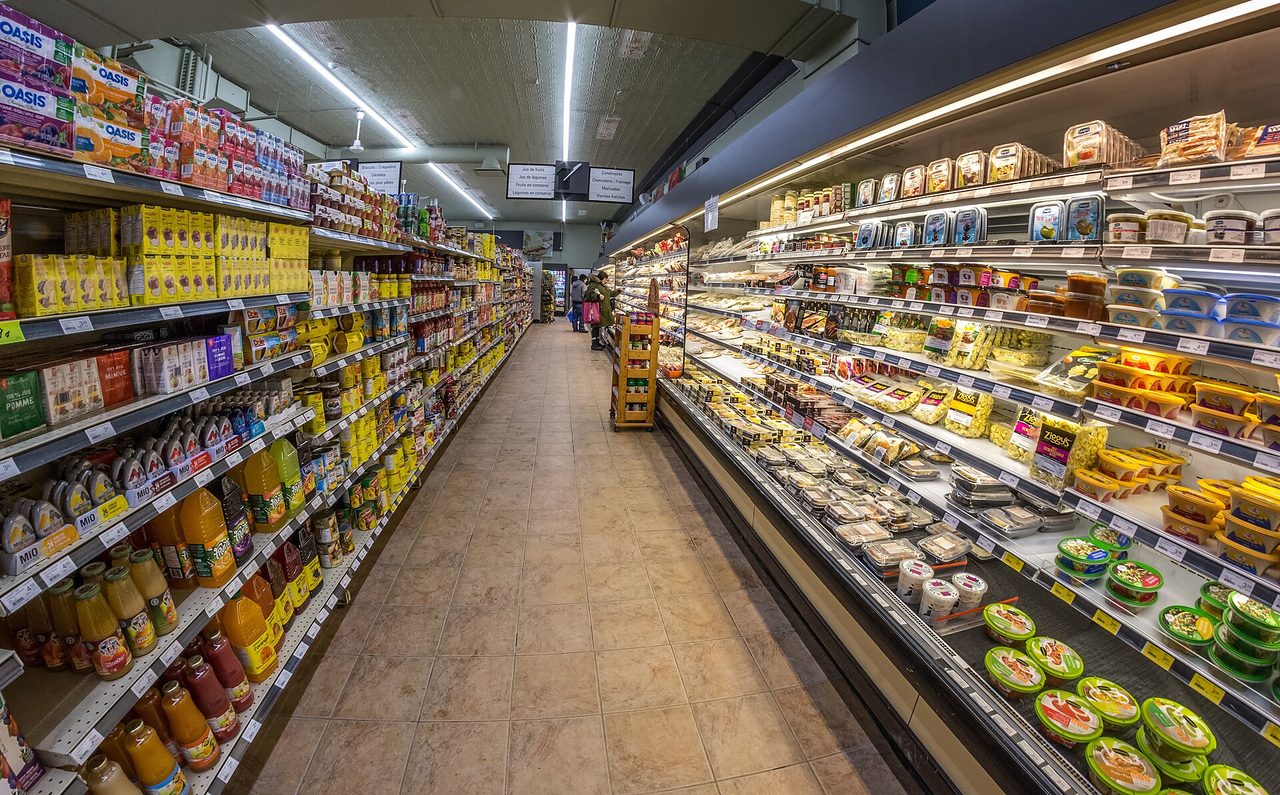
Photo: Wilfredor / CC BY-SA 4.0 · via Wikimedia Commons
Albertsons Wants $9.3 Billion From Kroger; Delaware Trial Looms
A Nine-Figure Demand Lands in Delaware
Albertsons lawyers filed a damages demand in Delaware Chancery Court on Monday, asking Kroger to pay more than $9.3 billion for the collapse of their $24.6 billion merger. The Wall Street Journal, citing an unsealed filing, reported the figure as at least $8 billion, while Bloomberg Law and Quartz put it above $9.3 billion. The tally includes a $600 million termination fee, $75 million in interest and costs, and the acquisition premium shareholders would have collected had the deal closed.
The Deal That Died in December 2024
The combination would have created the largest grocery chain in the United States. On December 10, 2024, U.S. District Judge Adrienne Nelson issued a preliminary injunction, and a Washington state judge blocked the deal the same day. The courts sided with the Federal Trade Commission, which argued that selling hundreds of stores to C&S Wholesale Grocers was not enough to protect competition against Walmart and Amazon. Albertsons terminated the agreement the next day and sued Kroger, then seeking at least $6 billion including the $600 million break fee.
Albertsons: Kroger Wanted the Deal on Its Own Terms
Albertsons says Kroger "willfully" breached the merger agreement by failing to use "best efforts" to win regulatory approval, refusing to revise its divestiture plan, and putting internal profit targets ahead of closing. The filing argues that Kroger accepted "maximalist" contractual commitments: it had to clear antitrust hurdles as long as it was not forced to divest more than 650 stores. "Kroger wanted the Merger but only on its own terms," the company said, adding, "The bottom line is that Kroger made a promise and broke it."
Kroger Says It Did Its Best—and Points the Finger
Kroger has said it did everything it could to obtain approval, and it accuses Albertsons of coordinating with C&S, the designated buyer of divested stores, to push regulators toward a far larger sell-off. Kroger also contends that Albertsons breached the agreement first. A Kroger representative did not immediately comment on Monday's filing. At the heart of the dispute is how far a "best efforts" clause actually obliges a buyer to go.
Shredded Notes and an $800 Million Settlement Offer
Pretrial papers surfaced a evidence fight of their own. Albertsons accuses Kroger of standing by while Compass Lexecon consultant Dr. David Weiskopf destroyed notes from calls with Kroger and its antitrust lawyers—notes tied to which stores should be sold to satisfy regulators. Kroger, Albertsons' filing says, did not issue a litigation hold until October 2025. The same filings reveal that Albertsons once offered Kroger financial consideration potentially exceeding $1 per share, roughly $800 million, for Kroger to deploy in a settlement with regulators to save the deal.
Who Pays and Who Profits
If Albertsons prevails, its shareholders collect. Cerberus Capital Management, the private equity firm that held more than a 30% stake as of the end of June, remains the largest holder. Analysts are divided: some argue courts rarely award far beyond a pre-agreed termination fee, making anything above $600 million a long shot, while others see a partial settlement as the most likely way both sides retire the headline risk.
Two Weeks of Testimony, Then a Verdict
Vice Chancellor Lori Will will preside over a two-week trial scheduled for later this month. Her ruling will decide not only how much Kroger pays but who owns the failure—the collapse of the transaction itself, or Kroger's conduct on the road to regulators' rejection.
Consumers Watch From the Aisle
The verdict will not change prices on the shelf; Kroger and Albertsons have operated as separate companies since the deal collapsed, and unions that opposed the merger have kept their position. What is at stake beyond the two balance sheets is the meaning of "best efforts" in merger contracts. Depending on how Judge Will reads it, future buyers may think twice before signing commitments this severe.
Sources
- Albertsons Seeks More Than $9 Billion Over Busted Kroger Deal
- Albertsons seeks more than $9 billion over failed Kroger deal
- Albertsons seeks more than $9 Billion over busted Kroger deal
- Quartz: Albertsons is demanding $9.3 billion from Kroger over failed merger
- Investing.com: Albertsons demands Kroger pay over $9 billion amid failed merger