CVS to Pay $315 Million to Settle Justice Department Case Over Opioid Prescriptions
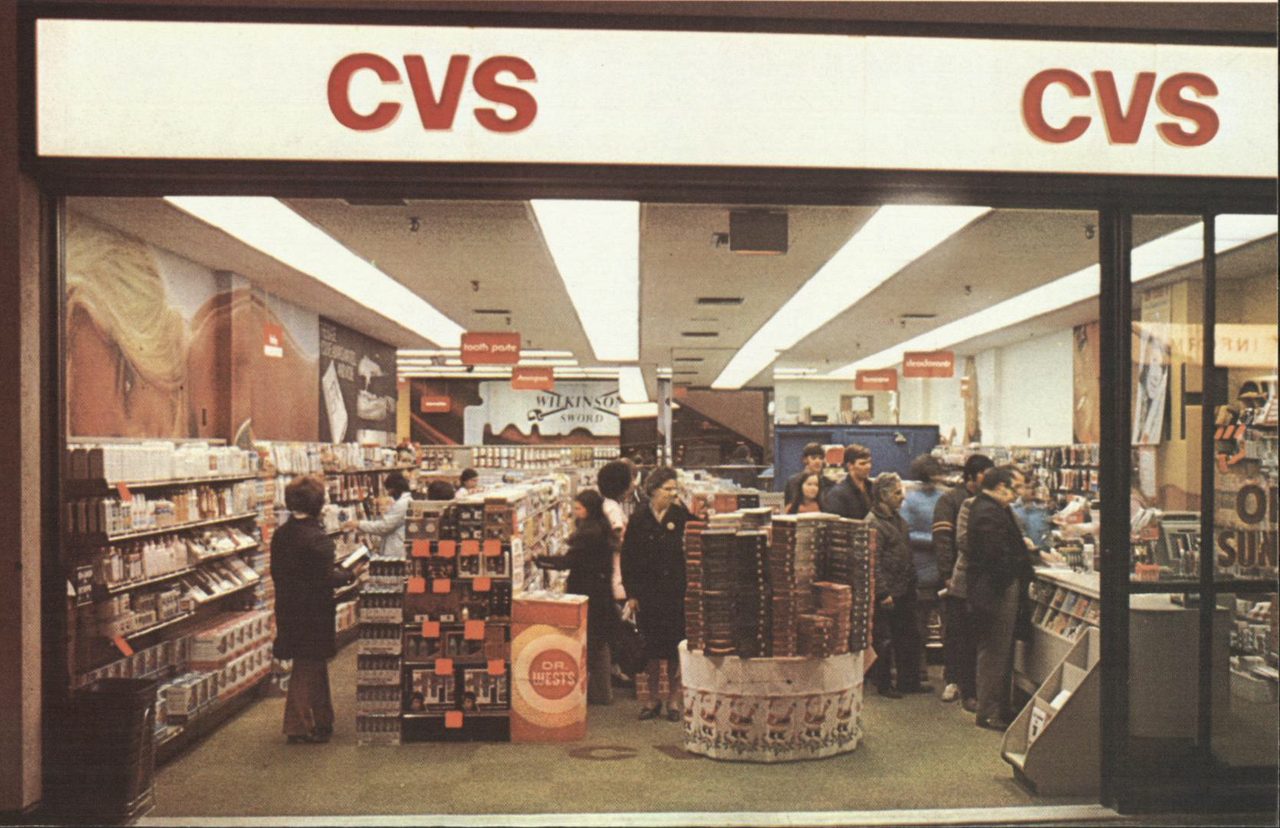
Photo: Melville Shoe Corporation, photographer not credited / Public domain · via Wikimedia Commons
CVS to Pay $315 Million to Settle Justice Department Case Over Opioid Prescriptions
A $315 Million Deal With No Admission of Wrongdoing
The Justice Department said Tuesday that CVS Pharmacy Inc., a Rhode Island-based chain, and related companies agreed to pay $315 million to resolve allegations that they illegally filled prescriptions for opioids and other controlled substances and then billed federal health care programs for many of those fills. The department said the conduct ran from Oct. 17, 2013 through Dec. 2, 2025 and violated both the Controlled Substances Act and the False Claims Act. Announced Oct. 13, the settlement ends a lawsuit the government filed in December 2024 in federal court in Rhode Island, along with a whistleblower suit brought by former CVS employee Hillary Estright under the False Claims Act (case No. 22-cv-00222, D.R.I.). CVS admitted no wrongdoing.
Prosecutors Cited Pill Mills, Early Refills and "Trinity" Scripts
According to federal prosecutors, CVS filled prescriptions that lacked a legitimate medical purpose, were invalid, or fell outside the usual course of professional practice. Those included opioids in dangerous or excessive quantities, refills filled too early, and so-called "trinity" prescriptions — a combination of an opioid, a benzodiazepine and a muscle relaxant. The government alleged CVS dispensed drugs for prescribers it knew or should have known were operating as "pill mills," and that staffing shortages and performance incentives pressured pharmacists to fill scripts without adequate scrutiny. CVS then sought payment from Medicare and other federal programs, prosecutors said.
DOJ Calls It a Milestone; CVS Disputes the Claims
"Today's settlement is a significant milestone in the Justice Department's efforts to combat the opioid epidemic by cracking down on pharmacies who unlawfully fulfill prescriptions for controlled substances," Associate Attorney General Stanley Woodward said. Assistant Attorney General Brett Shumate, who leads the Civil Division, said the agreement "requires CVS to implement additional safeguards" and that proactive monitoring of opioid prescribing patterns "will provide critical protections for patients and federal healthcare programs." CVS spokesperson Amy Thibault struck a different tone: "We strongly disagree with the claims made in this case, and our settlement with the DOJ admits no wrongdoing. We're pleased to move forward and put this litigation behind us." The company said it has cooperated with the investigation for more than four years and that its pharmacists are trained in the safe and appropriate use of medications. CVS also says its internal program has blocked more than 1,250 practitioners of concern, nearly 600 of whom remain licensed.
A Whistleblower Suit That Became a Federal Case
The matter began as a private action: Estright, a former CVS employee, sued under the False Claims Act, which allows private parties to sue on the government's behalf. The Hill reported that the case dates to 2019, and the United States later intervened. Her share of the $315 million recovery has not yet been determined, Bloomberg Law reported. The settlement is separate from the roughly $5 billion CVS agreed in 2022 to pay state, local and tribal governments to resolve broader opioid claims — a deal that also carried no admission of wrongdoing.
What Comes Next: Hotline, Monitoring, Oversight
Beyond the payment, CVS entered a memorandum of agreement with the Drug Enforcement Administration requiring it to set up a hotline for employees and the public to report suspected illegal dispensing, to proactively monitor pharmacy dispensing patterns, and to create a process for evaluating prescribers flagged as suspicious. Shumate said the Justice Department "will continue to take steps to prevent the unlawful dispensing of opioids," signaling sustained pressure on how retail pharmacies review prescriptions. The executed settlement agreement has been made public; how the $315 million is divided between the government and the whistleblower remains to be seen.
Sources
- CVS Agrees to Pay $315M for Illegally Filling Unlawful Opioid Prescriptions and for Submitting False Claims to the Federal Government
- CVS Agrees To $315 Million Settlement Over Opioid Prescriptions
- CVS agrees to pay $315 million over DOJ opioid prescription claims
- The Hill: CVS to pay $315M to settle DOJ opioid lawsuits
- CVS to Pay $315 Million Opioid Prescription Fraud Settlement