New York Council Strikes a Deal to Retire Central Park's Horse Carriages by 2028
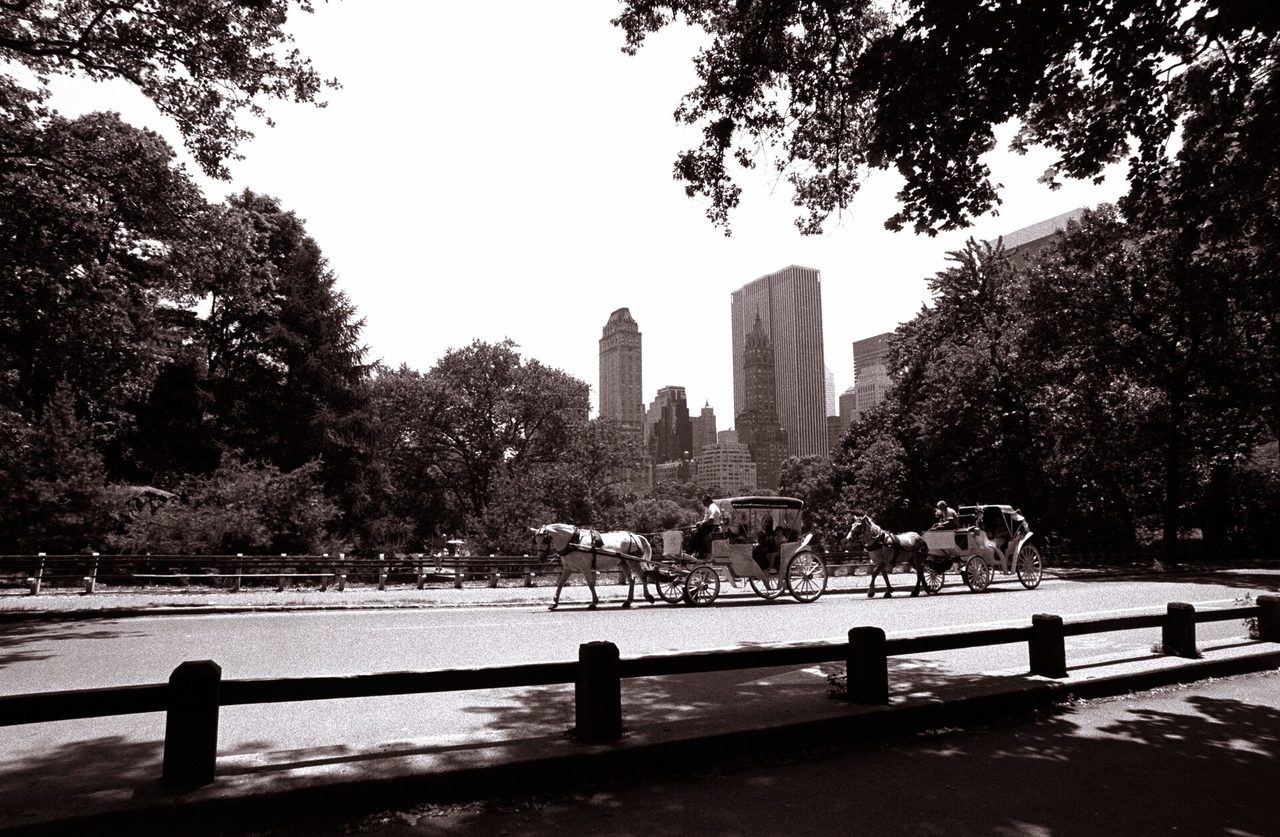
Photo: Sérgio Valle Duarte / CC BY 3.0 · via Wikimedia Commons
New York Council Strikes a Deal to Retire Central Park's Horse Carriages by 2028
A Two-Decade Fight Reaches Its Breaking Point
New York City Council Speaker Julie Menin and Mayor Zohran Mamdani announced on Tuesday that they have reached an agreement to abolish the city's horse-drawn carriage industry, clearing the way for a Council vote on October 22. Politico first reported the breakthrough, and Menin's office confirmed that the mayor's administration has agreed to back the legislation. The measure would make operating a horse-drawn carriage illegal in all five boroughs beginning June 1, 2028, according to a copy of the bill reviewed by CNN. Menin framed the shift in blunt terms: horse-drawn carriages "have long been part of New York City's history, but in an increasingly busy Central Park, this tradition has become a growing public safety liability."
Romanch's Law Carries a Teenager's Name
The bill is called Romanch's Law, renamed after Romanch Mahajan, an 18-year-old Indian tourist who died in June when a carriage horse bolted in Central Park and he was thrown from the vehicle. Mahajan had jumped out after his mother fell; his father told the family could not describe the fear inside the carriage. It replaced an earlier proposal known as Ryder's Law, named for a carriage horse that collapsed and died in 2022. The legislation already has 29 sponsors — more than half the Council — and Council Member Christopher Marte, its lead sponsor, said members intend to "finish the job" on October 22.
The Ban Phases In Over Twenty Months
The bill ends the issuance of new carriage medallions immediately, then phases the industry out completely by June 1, 2028. It applies across all five boroughs, not just Central Park, and would close a business that traces back roughly 168 years. Menin said the tragic and preventable death of Mahajan "made clear that the status quo is no longer acceptable," adding that the Council would vote to protect "New Yorkers, visitors, and the horses themselves."
Horses Headed for Sanctuaries, Never for Slaughter
Owners would be required to notify the Mayor's Office of Animal Welfare before disposing of their animals, and the bill explicitly bans selling or transferring the horses for slaughter or for use in another carriage operation. Animal welfare advocates say roughly 160 horses would need new homes and that more than 30 sanctuaries and rescues have already signaled willingness to take them in for life.
A Transition Plan Due by April 2027
The legislation creates a workforce transition program with job placement, training, career counseling and financial compensation, and requires the administration to produce an "industry transition plan" by April 2027. Menin's office said the plan must connect the city's roughly 200 carriage drivers with new economic opportunities, including possible roles at regional transit agencies and in tourism, along with educational opportunities and possible tuition assistance. City Hall spokesperson Sneha Choudhary said the administration had worked with "union partners, carriage drivers, animal welfare advocates, and community leaders to deliver a just transition."
Why Mamdani Finally Signed On
Mamdani had long endorsed the idea of outlawing the industry but withheld support from the Council bill, arguing it did not do enough for the drivers who would lose their livelihoods. According to Menin's office, the revised version added new labor safeguards that brought the democratic socialist mayor, who has cultivated close ties to organized labor, into line behind the measure.
The Union Calls It Political Opportunism
The Transport Workers Union, which says it represents roughly 300 drivers and owners, is fighting back. International President John Samuelsen said the bill "has no meaningful economic relief for workers," dismissing its job fairs and counseling as "weak measures." He went further: Menin "used the tragic death of a tourist to contrive a public safety crisis. This is disgraceful political opportunism, and Zohran should not simply go along with it, particularly when immigrants' livelihoods are being destroyed." The union has argued that stricter safety rules and training could prevent future accidents instead of ending the trade.
Animal Welfare Groups See a Long-Awaited Win
Julie Cappiello, executive director of Voters For Animal Rights, told Newsweek she had worked on the issue for nearly 15 years and was "thrilled that we now have a path forward that protects horses while ensuring a fair and just transition for the workers." "New York City's crowded, high-traffic streets are no place for horses," she said. The Central Park Conservancy has already endorsed a ban, and the New York City Bar Association's Animal Law Committee urged the Council this fall to pass the pending bill.
What Happens Next
Everything now depends on the October 22 vote. Passage would put New York on a clock to join the small group of cities retiring urban carriage horse rides, with the mayor's signature expected to follow. The unresolved fight is over money: the union's opposition is hardened, and the size of the compensation package for displaced drivers has not been disclosed. After that vote, the only remaining question is how fast the horses leave the park.
Sources
- Politico: Mamdani and City Council Speaker Julie Menin strike deal to ban NYC horse carriage industry
- CNN: NYC horse carriage ban: Mamdani, council reach deal to end rides
- ABC News: New York City to ban horse-drawn carriages in 2028, City Council speaker says
- BBC: Horse carriages in New York City expected to be outlawed
- NY Daily News: NYC to ban Central Park horse carriages under deal between Mamdani, Menin