Coke Pours Into KFC: A 40-Year Pepsi Deal Ends in the U.S.
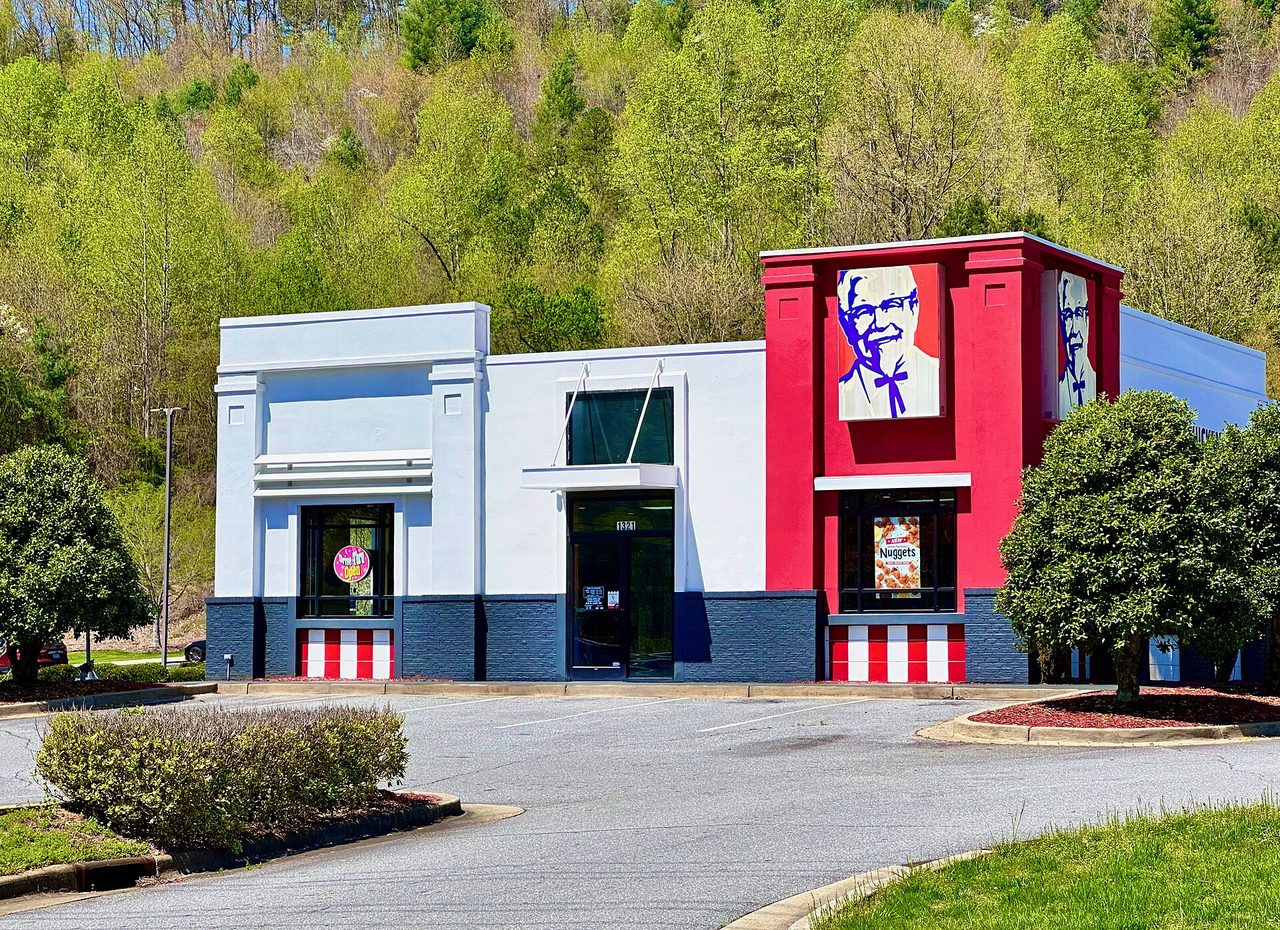
Photo: Harrison Keely / CC BY 4.0 · via Wikimedia Commons
Coke Pours Into KFC: A 40-Year Pepsi Deal Ends in the U.S.
KFC hands its U.S. fountains to Coca-Cola
KFC's U.S. business signed an agreement making The Coca-Cola Company its beverage partner on Oct. 15, ending a PepsiCo relationship that Reuters described as roughly four decades old. It is the first time in decades that the Yum Brands fried-chicken chain has changed its drink supplier, and it moves all of its American restaurants from Pepsi to Coke.
Rollout starts in January, done by spring 2027
The transition begins in January 2027, with Coca-Cola products expected in every U.S. KFC by spring 2027, according to the companies' joint announcement. KFC U.S. President Catherine Tan-Gillespie told franchisees and employees the chain expects to be pouring Coke system-wide by the end of the first quarter. KFC's website lists 3,718 U.S. locations. Financial terms were not disclosed.
"A critical step in the Kentucky Fried Comeback"
In a memo reported by CNBC, Tan-Gillespie called the decision "a critical step in the Kentucky Fried Comeback," adding that a new beverage lineup with a new partner "gives us a platform to innovate, meet changing tastes and give customers more reasons to choose us." In the public announcement she said the pairing brought together "two originals, with deep consumer love."
Coca-Cola frames it as a fountain win
Dagmar Boggs, Coca-Cola's president of Foodservice and On-Premise for North America, said matching KFC's food with Coke's beverage portfolio and innovation capabilities creates "an incredible opportunity to make every visit more refreshing" and to "unlock new growth possibilities together."
The tie began with an acquisition
PepsiCo bought KFC in 1986 and made Pepsi the exclusive U.S. beverage partner. When PepsiCo spun KFC off along with Pizza Hut and Taco Bell in 1997 to form what became Yum Brands, the drinks arrangement survived the split. One widely cited detail: at the time of the 1986 purchase, KFC was Coca-Cola's second-largest fountain account, behind only McDonald's.
Pepsi keeps Taco Bell and KFC overseas
The change covers U.S. restaurants only. A PepsiCo spokesperson told Reuters the company had just renewed agreements covering Taco Bell and KFC's international stores, with Taco Bell running for 10 years. That means Mountain Dew Baja Blast stays at Taco Bell, and KFC locations abroad keep pouring Pepsi.
PepsiCo is fighting its own U.S. slump
Losing the account stings. PepsiCo's results published Oct. 8 showed North America performing below company expectations, with North American beverage volume down 2% and food volume flat. CEO Ramon Laguarta said growth and margin recovery were taking longer than planned. After The Wall Street Journal first reported the KFC talks were advancing, PepsiCo shares fell about 0.7% Thursday while Coca-Cola edged up 0.2% — a muted reaction, since KFC is only a small slice of PepsiCo's North American beverage sales. Nor is KFC the only big account PepsiCo has lost lately: Marriott hotels and the Costco food court have also gone, though PepsiCo recently added Subway.
Why KFC needs a new story
KFC's U.S. share of chicken-chain sales fell from 20% in 2015 to 8% in 2025, according to Technomic, even as that market more than doubled to $57.7 billion — most of the growth going to Chick-fil-A, Popeyes, Raising Cane's and Wingstop. In the second quarter of 2026, KFC grew system sales 6% globally on 2% same-store sales; its U.S. same-store sales were also just 2%.
Drinks are where the comeback is being tested
Beverages are central to the turnaround. On Sept. 24, KFC opened an "Open House" test restaurant in McKinney, Texas, serving breakfast in the U.S. for the first time, with boba refreshers and Krunch shakes. Its global drinks brand, Kwench, is already running in the U.K., Canada and Australia.
What changes inside the restaurants
Fountain equipment, syrup supply chains, menu boards and marketing all have to follow the new supplier. Neither company has said what that costs or how it will be split between KFC and its franchisees. For customers, the visible change is simple: from 2027, no Pepsi at any KFC in the United States.
The verdict arrives with 2027 numbers
Coca-Cola is scheduled to be fully installed across the U.S. system around the end of the first quarter of 2027. Whether a new soda can help pull traffic back into KFC will show up in next year's sales — while for PepsiCo, the loss is a major account taken by its rival on home turf.
Sources
- Reuters: KFC picks Coca-Cola as US soda supplier, ditches longtime partner PepsiCo
- CNBC: KFC to switch from Pepsi to Coca-Cola in 2027
- Bloomberg: KFC's US Locations to Replace PepsiCo Beverages With Coca-Cola
- PepsiCo Shares Dip on WSJ Report of KFC Nearing Switch to Coca-Cola
- Two Secret Recipes, One Iconic Partnership: KFC U.S. Announces New Beverage Partnership With The Coca-Cola Company