All In on New Glenn: Four Pads, 30 Million, and a December Deadline
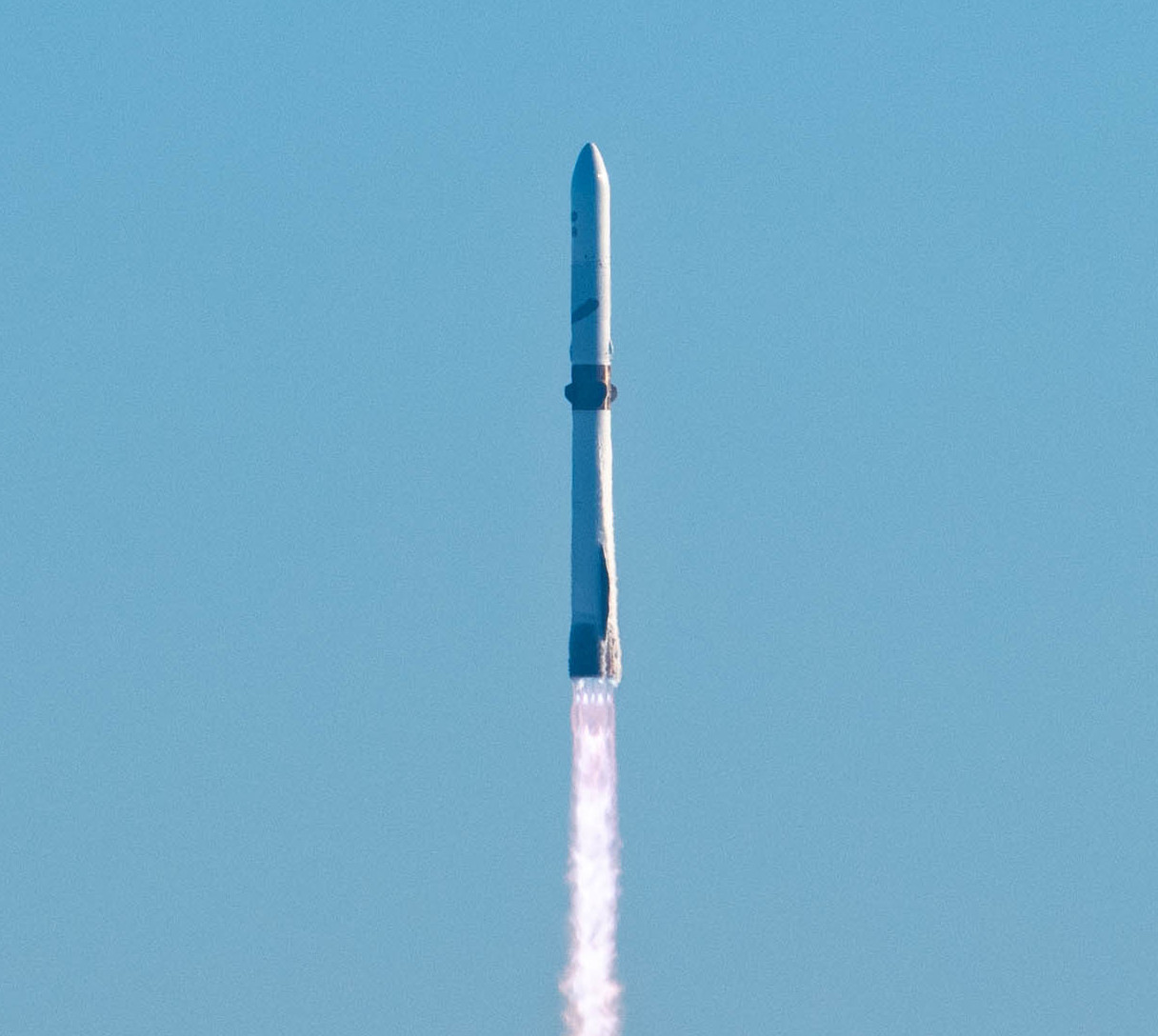
Photo: U.S. Space Force photo by Senior Airman Samuel Becker / Public domain · via Wikimedia Commons
All In on New Glenn: Four Pads, $330 Million, and a December Deadline
Four pads where there used to be two
On October 16, Blue Origin said it will add two more New Glenn launch and landing pads on Florida's Space Coast, on top of the two already being built at Launch Complex 36 at Cape Canaveral Space Force Station. That takes the company's count for its flagship heavy-lift rocket to four. Ian Richardson, senior vice president of operations, wrote in a company blog post that the pads "will be rapidly sited and constructed by replicating the design and construction approach being demonstrated with the build of LC-36B."
$330 million buys 150 upper stages a year
Alongside the pads, Blue Origin is spending $330 million to expand its Rocket Park manufacturing campus in Cape Canaveral, targeted for completion in summer 2027, with capacity for up to 150 New Glenn upper stages annually for the bigger variant. "These investments are centered on one goal: building the capacity to support more missions, more reliably, and more efficiently," Richardson wrote. The company also intends to procure two more recovery ships for booster landings; it currently operates one, named Jacklyn.
45 tonnes today, more than 70 tonnes tomorrow
The flying configuration, New Glenn 7×2, uses seven BE-4 engines on the first stage and two BE-3U engines on the upper stage, with a 7-meter fairing and roughly 45 metric tons to low Earth orbit. The in-development 9×4 carries nine BE-4s and four BE-3Us, an 8.7-meter fairing, more than 70 metric tons to LEO, and stands nearly 400 feet tall. LC-36B is being built specifically as the operational home of the 9×4.
Regulators weigh a jump from 12 flights a year to 50
The FAA opened public comment on September 29 on a draft environmental assessment for a cadence increase at LC-36A, proposing to lift the licensed maximum from 12 to 50 launches a year, along with up to 100 static-fire tests and up to 50 first-stage landings on ocean platforms annually. The draft found "unavoidable adverse effects" but said none were identified as potentially significant. Written comments close October 30; a virtual public meeting is set for October 22 under docket FAA-2026-9841.
The company line: December, carrying Blue Ring
Speaking to Fox News on October 7, Jeff Bezos said Blue Origin is targeting December for New Glenn's return to flight, with the Blue Ring spacecraft as the payload, joking that it could slip to December 31. CEO Dave Limp has called returning the rocket to the pad the company's top priority. The earlier public commitment was only to fly again before the end of 2026 — a target, not a booked launch date.
The single pad that blew up in May
On May 28, New Glenn exploded during a static-fire test at LC-36A ahead of a planned Amazon Leo satellite mission. The booster and upper stage were destroyed, the pad was heavily damaged, and a lightning tower and the transporter-erector were lost; no one was injured. In an August 5 update, Blue Origin traced the failure to the main oxygen valve on one of the booster's BE-4 engines and said modified valve hardware, retrofittable to engines already built, was being manufactured. New Glenn had flown three times and has been grounded ever since. Because LC-36 was its only orbital pad, one bad test froze the entire program — the reason a four-pad footprint is the centerpiece of this plan.
Why the hurry: Amazon, NASA and a squeezed launch market
The grounding upended Amazon's launch schedule and tightened a global launch squeeze that has left dozens of satellite companies hunting for rides. Amazon Leo had about 396 satellites in orbit as of July 2026 and has asked the FCC for a 24-month extension on its deployment milestones. Government work is riding on the same rocket: Blue Origin holds a roughly $3.4 billion NASA contract for the Blue Moon crewed lander, awarded in May 2023 with a crewed landing aimed at 2029, and on September 1 won a NASA Mars communications relay orbiter award worth up to about $700 million — a pick Rocket Lab has protested, with a ruling due by December 21. On September 29, NASA added the 9×4 to its NLS II launch services contract.
A $140 billion valuation and the first outside money
Funding is the one thing that is not scarce. Blue Origin closed the first outside investment round in its 26-year history, about $10 billion at a roughly $140 billion valuation, with Coatue contributing about $4 billion and Bezos adding about $2 billion; he still owns roughly 93 percent and has put in some $30 billion since 2000. Limp described the round as oversubscribed. In Florida alone the company has invested more than $3 billion, with over 5,000 employees, 500 in-state suppliers and more than 20 sites across Brevard and Orange counties. On October 15, the Titusville-Cocoa Airport Authority approved leasing Blue Origin about 509,585 square feet at Space Coast Regional Airport.
Everything now hinges on one flight
Near term, the question is whether December holds and Blue Ring actually flies. Medium term, it is LC-36B and the 9×4's first launch. Longer term, it is whether the environmental review clears the way for 50 launches a year. Richardson says the infrastructure "is designed to support multiple flights per week by the end of the decade," with more than 100 launches a year as the further horizon. Bezos has gone bigger still — daily flights, then hourly, eventually one a minute. Against a dominant SpaceX, those are targets and a wager at the same time.
Sources
- Ars Technica: Blue Origin is going all in on the New Glenn rocket
- CNBC: Blue Origin plans $330 million Florida expansion to ramp New Glenn launches
- Reuters: Blue Origin targets multiple New Glenn launches weekly by end of decade
- Spaceflight Now: Blue Origin to add new Florida launch pads
- NASASpaceflight: Blue Origin Advances LC-36 Rebuild for Year-End New Glenn Return to Flight