Disney Pays $60 Million a Year to Hire 66 Character.AI Staffers — and $20 Million for the Company
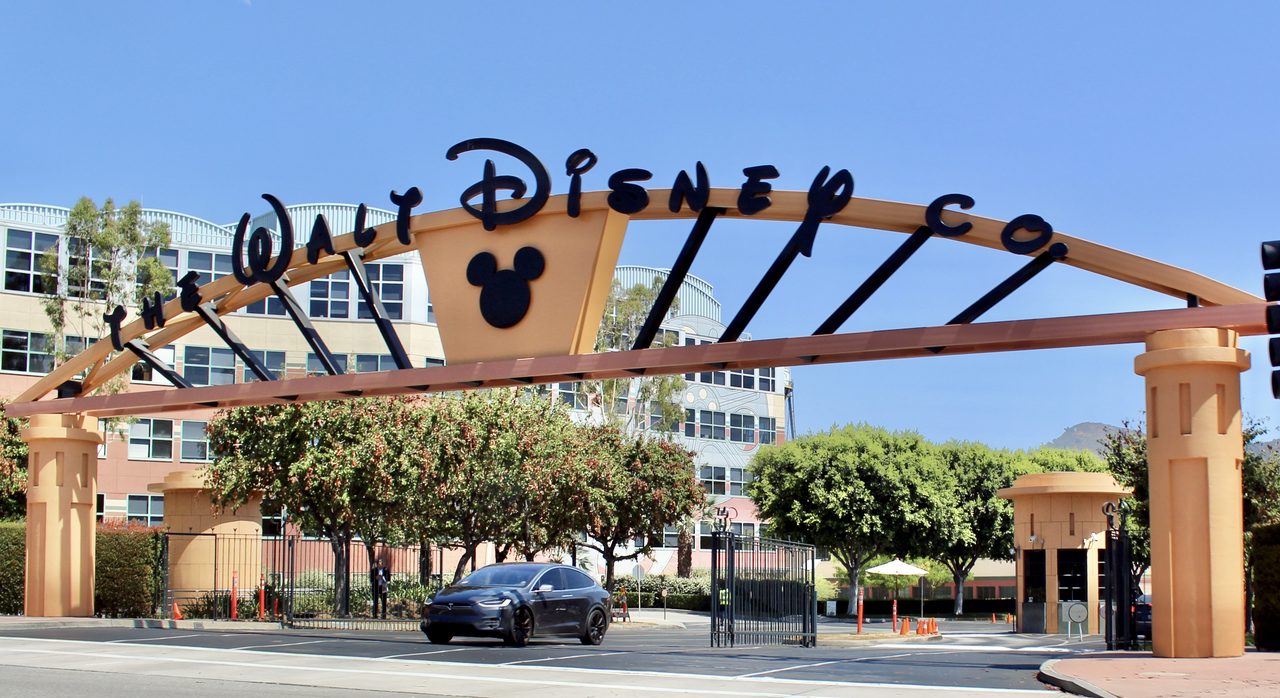
Photo: CC BY-SA 4.0, via Wikimedia Commons · via Wikimedia Commons
Disney Pays $60 Million a Year to Hire 66 Character.AI Staffers — and $20 Million for the Company
A Chapter 11 filing, with Disney already first in line
Character Technologies, the company behind the Character.AI chatbot app, filed for Chapter 11 in the U.S. Bankruptcy Court for the District of Delaware on October 12, asking a judge to supervise the sale of all or substantially all of its assets. It did not arrive empty-handed: before filing, it signed an agreement making Disney Worldwide Services its "stalking horse" bidder — the opening offer that rival buyers must beat. The case number is 26-11603.
The $20 million bid buys a license, not the platform
Disney has agreed to pay $20 million for a non-exclusive, perpetual license to certain intellectual property and certain company claims, plus transition services staffed by former Character.AI employees now on Disney's payroll. The app, the user accounts, the brand and the advertising contracts that generate revenue stay behind with the estate.
$60 million a year for 66 people, plus a $30 million retention pool
Court papers disclosed on October 16 put Disney's estimated annual run-rate compensation for roughly 65 of the incoming employees at about $60 million, with an additional $30 million "aggregate retention pool" to keep them in place. Disney expects to spend about $180 million on "total compensation and retention" over three years. The term sheet is explicit that the money goes to employees directly and does not count as consideration paid to the company — creditors have a claim on the $20 million, not the $180 million. Disney is paying about nine times more for the people than for the company.
The ex-CEO got there first — as Disney's first CTO
The hiring started before the bankruptcy. On September 18, Disney announced that Karandeep Anand, then chief executive of Character.AI, would become its senior executive vice president and chief technology officer — a newly created role, effective October 2, reporting to CEO Josh D'Amaro. It is the first company-wide CTO post in Disney's history. Character.AI had 86 full-time employees as of September 30. Of the 66 offered jobs by Disney, 56 have resigned and 10 are on H-1B, TN or F-1 visas awaiting US approval.
"Significant legal, regulatory, and operational headwinds"
New CEO Colin Adams framed the filing as a question of value: "After a comprehensive review of the available alternatives, the board determined that this court-supervised sale process provides the Company with the best opportunity to maximize value for all stakeholders." The filings are blunter. AI entertainment, they say, "has proven to be costly to develop and grow," and those costs, "coupled with potential litigation related liabilities and regulatory engagement," left the company unable to generate enough cash to support its business. Character.AI also wants the case to resolve claims from state and international regulators and from private lawsuits.
From a $1 billion valuation to an $8-million-a-month burn
Character.AI was founded by former Google engineers and reached a $1 billion valuation in 2023. In August 2024, Google struck a deal worth roughly $2.7 billion to bring back both founders and part of the research team while licensing the technology — after which the startup largely stopped building its own models. By August 2026 advertising was bringing in about $2.5 million a month against roughly $8.2 million in monthly cash burn, for a loss of $8 million to $9 million a month. It listed assets and liabilities of $50 million to $100 million each, alongside about 12 million monthly active users who spend around 120 minutes a day on the platform.
Disney is buying engineers, not an audience
For Disney the deal completes a reversal. In September 2025 its lawyers sent a cease-and-desist letter over chatbots imitating characters such as Elsa, Moana and Darth Vader; Character.AI took them down. What Disney is taking now is engineering capacity and the code that trained, moderated and served Character.AI's models — not the 12-million-user base. Those people and that code are widely expected to be pointed inward, at theme parks and games, where Disney has already put AI versions of characters such as Olaf in front of guests and where it briefly licensed characters to OpenAI's Sora generator.
Cutting 300 jobs while hiring 66
The hiring landed in the same quarter as a layoff. In late September Disney cut about 300 roles, mainly in technology and human resources — its third round this year under CEO Josh D'Amaro, after roughly 1,000 cuts in April tied to a marketing consolidation and several hundred more in July at Pixar and National Geographic. The two stories are one story: headcount moving toward AI and away from legacy functions.
What's left: 18 employees, six of them on safety
With 66 of 86 staffers gone, Character.AI is down to 18 employees, six of them in the trust and safety team that moderates the platform, with eight expected to stay through the case. The app stays online for now, subscriptions keep billing, and users can export their data or delete their accounts; some were pointed to grief resources. If no bidder commits to keeping the service alive, the platform will be wound down — and the characters users spent years building go offline with it.
A floor price, an auction, and a deadline
The sale is expected to close in late November or early December under Section 363 of the Bankruptcy Code, with Disney's $20 million setting a floor rather than a ceiling. Character.AI reportedly approached 28 potential buyers and got one offer it could not use. The outcome will say something about how AI assets are priced now: the company drew $20 million; its engineers drew $180 million.
Sources
- Reuters
- Business Insider
- PPC Land
- Los Angeles Times
- CBS News