CoreWeave's Borrowing Binge Is Now Wall Street's AI Stress Test
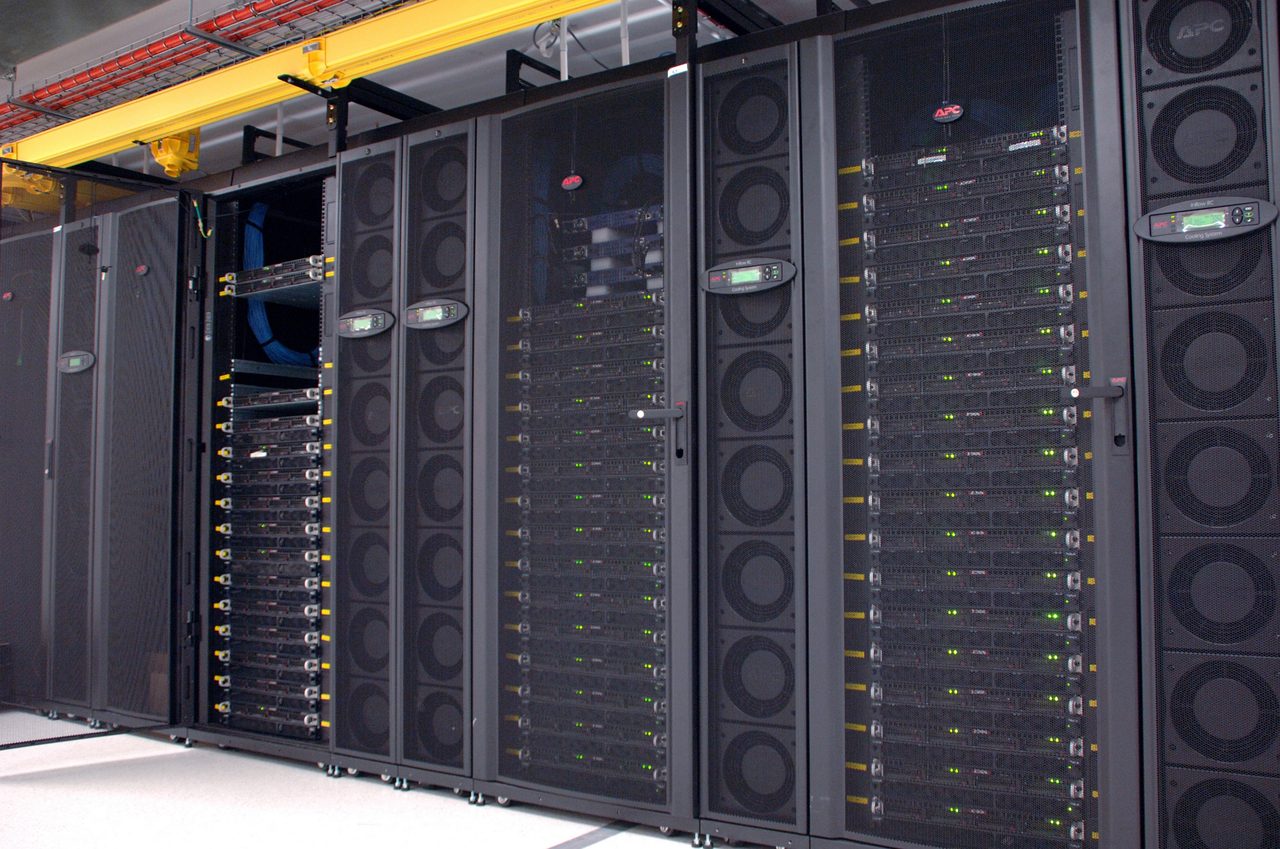
Photo: CSIRO / CC BY 3.0 · via Wikimedia Commons
CoreWeave's Borrowing Binge Is Now Wall Street's AI Stress Test
A Single-Day Rout Erases Confidence
CoreWeave shares plunged 17% on October 14, the steepest drop on the Nasdaq 100 that day, according to Investing.com. Yields on bonds issued in April and due in 2031 surged past 16%, a level normally associated with distress. Yahoo Finance reported that the company's 2032 bonds had already touched a 15% yield on October 13, with unsecured debt trading below 80 cents on the dollar. The Wall Street Journal said the 9.625% notes due 2032 changed hands as low as 76 cents before recovering to about 81 cents, still yielding around 14.6%.
Management Calls the Selloff Irrational
Chief Executive Mike Intrator defended the company and accused the market of acting irrationally. Co-founder Brannin McBee told the Financial Times he did not see the borrowing as scary debt at all, arguing it lets CoreWeave expand faster, and said the firm was seeking cheaper financing from insurers. Nvidia chief Jensen Huang also intervened, saying CoreWeave's strength was improving every day.
A $52 Billion Hole Built on GPUs
Fortune, citing second-quarter disclosures, put total debt at $35.6 billion and operating lease liabilities at $16.3 billion, roughly $52 billion combined. The Verge reported the company owed more than $35 billion at the end of the second quarter, noting it pioneered pledging GPUs as loan collateral. The company lost more than $1 billion in the first half of the year, while second-quarter revenue roughly doubled to $2.58 billion. Signed backlog, or remaining performance obligations, stood at about $103.7 billion to $104.2 billion, with 41% expected to be collected through 2028.
Wells Fargo Sees Net Debt Above $200 Billion
Yahoo Finance cited a Wells Fargo note projecting net debt above $200 billion by 2030, while keeping an Overweight rating. The bank modeled EBITDA of $8.21 billion in 2026 and $20.57 billion in 2027, against negative free cash flow of $29.0 billion and $50.2 billion. Visible Alpha consensus forecasts pointed to $71 billion in cumulative negative free cash flow from 2026 to 2028. Bank of America separately estimated negative free cash flow of about $23.8 billion in 2026, $24.8 billion in 2027 and $18.2 billion in 2028, with long-term debt rising to $73.5 billion in 2028 from $34.5 billion in 2026.
Customer Concentration Turns Company Risk Into Market Risk
A Reuters factbox reported Microsoft accounted for about 67% of CoreWeave's 2025 revenue, while three OpenAI contracts totaled about $22.4 billion: $11.9 billion, $4 billion and $6.5 billion. Credit markets priced the danger openly. Five-year credit default swap spreads touched 1,140 basis points before settling near 1,038, implying a five-year default probability of roughly 58% to 63%. Bernstein kept an Underperform rating with a $74 price target, and D.A. Davidson analyst Gil Luria warned the stock could go to zero if the AI boom falters. The Motley Fool noted projected gross leverage of 6.3 times by year-end. On October 16 the Nasdaq Composite fell roughly 2.5%, taking weekly losses to almost 5%, its worst week since June, while the S&P 500 fell 1.4%, with CNN tying the rout to questions about AI debt.
Sources
- Investing.com: CoreWeave shares, bonds slide further as AI debt fears mount
- The Verge: CoreWeave's debt is becoming the whole AI industry's problem
- Fortune: CoreWeave investor explains how the loss-making AI neocloud provider plans to claw its way out of debt
- CNBC: CoreWeave shares tumble as bond yields near 15%
- CNN: Nasdaq sinks more than 2% as investors raise questions about AI debt