Roman Sarcophagus at Westminster Abbey Held a Medieval Abbot, Study Finds
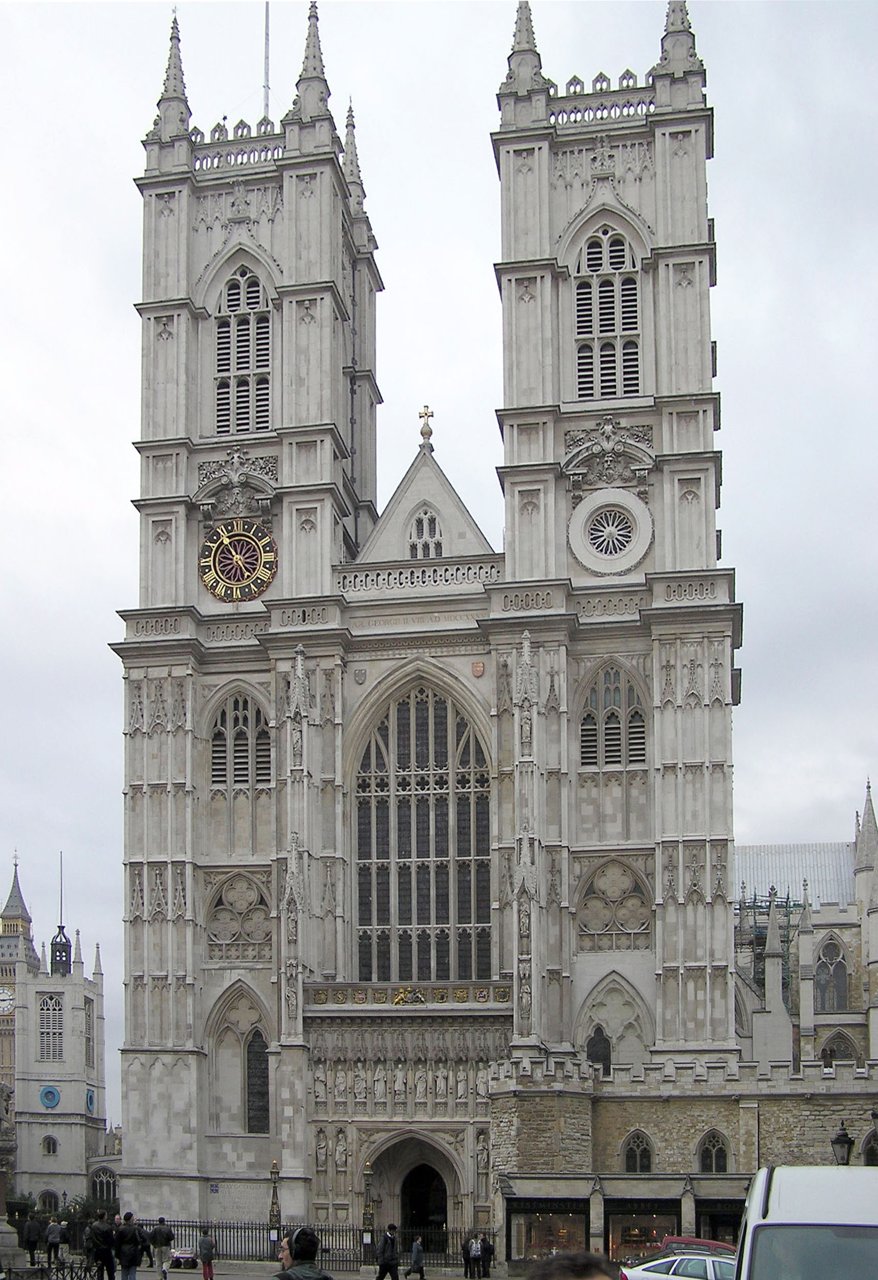
Photo: Adrian Pingstone / Public domain · via Wikimedia Commons
Westminster Abbey's Roman Sarcophagus Mystery Finally Solved: Medieval Abbot Identified
A Roman sarcophagus unearthed at Westminster Abbey in 1869 finally yields its occupant's identity
A limestone Roman sarcophagus found in the grounds of Westminster Abbey has puzzled archaeologists for more than 150 years. Its occupant is now believed to be a high-ranking medieval monk, possibly one of two early abbots of the abbey. Professor Warwick Rodwell, consultant archaeologist at Westminster Abbey, sets out the findings in the Journal of the British Archaeological Association.
Inscribed for Valerius Amandinus, yet holding a man who died seven centuries later
The sarcophagus bears a Latin inscription that can be translated "To the memory of Valerius Amandinus. Valerius Superventor and Marcellus made this for their father." Valerius Amandinus was a wealthy Briton who lived in the city around A.D. 300 to 400. The decoration on one side is Roman in style. Yet sculpted on the lid is a large Latin cross dating from approximately the 10th or 11th century, indicating the Roman burial container was reused for a later interment. According to Rodwell, the sarcophagus was originally housed in the wall recess of a mausoleum and was not in its original place of burial when found.
Carbon dating places the bones between 987 and 1052 AD, confirming late Saxon reuse
A bone sample was sent to the Scottish Universities Environmental Research Centre for radiocarbon dating. Results indicated a date of 987 to 1052 AD, confirming that the reuse of the sarcophagus and the associated remodelling of its cover occurred in the late Saxon period. The occupant was a middle-aged male of average height, aged between 35 and 49 and around 5ft 9in tall, with a history of gout, rib injuries and osteoarthritis. This differs from an 1800s assessment that described him as a "robust young man" around 5ft 7in tall and no more than 30 years old. When the inside of the sarcophagus was cleaned, experts found a rectangular outline in a white substance at the bottom, suggesting the body had been covered in powdered lime before being placed into a wooden coffin that sat inside the sarcophagus.
Rodwell narrows the candidates to two abbots: Ælfwig and Wulfnoth
Rodwell matched the scientific results to abbey records and identified two viable candidates. Ælfwig, who died in about 1020, served as abbot of the medieval Benedictine monastery at Westminster. His successor Wulfnoth died in 1049 and is presumed to have been buried at the abbey, as was Ælfwig. Rodwell believes Ælfwig is the most likely candidate, noting he was already a monk at Westminster when the previous abbot died and spent about 27 years in the role. "We do not know the date of birth of either," Rodwell said. "But either would fit equally well if we assume the Abbot was in his early twenties when the appointment was made and close to fifty when he died. The fact Aelfwig was already a monk of Westminster might favour him." Another clue is that the occupant was "honoured" with burial in a fine sarcophagus.
Smashed in 1820, formally excavated in 1869, rediscovered in 2016
The sarcophagus was first accidentally unearthed in 1820, when workmen smashed the lid into six pieces; the damage was repaired when the Roman coffin was officially "discovered" in 1869. It was excavated from what is now an area of grass along the north side of the nave, once the yard of a sacristy built by Henry III. It had been believed the skeleton was lost, but in 2016, when the stone coffin was sent to a conservation studio and its lid lifted, researchers found an almost-complete skeleton inside. Rodwell suggested the reused sarcophagus was most likely interred in the eastern arm of the abbey church, with the lid as a floor slab, before being dug up and reburied during the construction work of Henry III.
The sarcophagus is on display in the Queen's Diamond Jubilee Galleries
The sarcophagus is on permanent display in the abbey museum, the Queen's Diamond Jubilee Galleries. The skeleton and Roman sarcophagus have been the subject of extensive research and discussion over the years, and these latest findings provide fresh insights into its history.
Sources
- The Guardian: Mystery of Roman sarcophagus unearthed at Westminster Abbey solved at last, expert says
- Phys.org: Mystery skeleton found in Roman sarcophagus at Westminster Abbey may finally have an identity
- People: In 1869, a Skeleton Found Inside a Coffin at Westminster Abbey Puzzled Archaeologists. 150 Years Later, the Mystery May Finally Be Solved
- New York Post: Identity of Westminster Abbey skeleton revealed: study
- Live Science: Case of mysterious medieval skeleton buried in Roman-era sarcophagus at Westminster Abbey finally solved