Bose Buys Skullcandy to Reach the Audiences It Couldn't
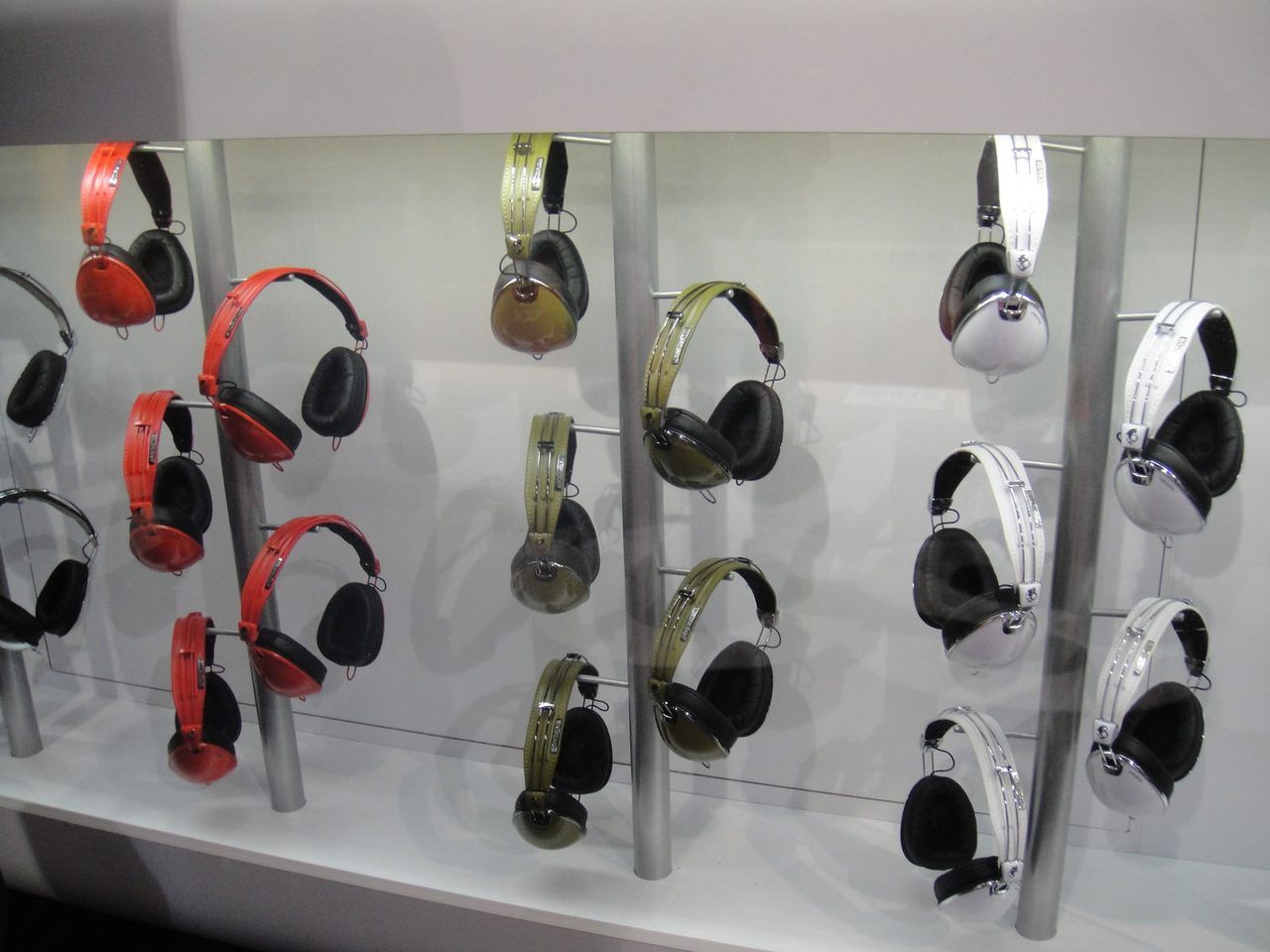
Photo: Doug Kline / CC BY 2.0 · via Wikimedia Commons
Bose Buys Skullcandy to Reach the Audiences It Couldn't
Bose announced this week that it has acquired Skullcandy, folding the lifestyle headphone brand into its Premium Consumer Audio business as a separate brand still based in Park City, Utah. Financial terms were not disclosed.
A Rivalry That Was Already a Partnership
The deal formalizes a relationship that has been building for years. Under the "Sound by Bose" licensing program, Skullcandy designs headphones and earbuds while Bose contributes audio tuning, active noise cancellation and spatial audio. Products born from that collaboration include the Skullcandy Crusher 1080 ANC headphones and the Method 360 ANC earbuds. Bose CEO Lila Snyder, quoted by Engadget, framed the acquisition as an extension of Bose's 60-plus-year mission: reaching more people not only through Bose-branded products but through technology partnerships and a growing portfolio of brands.
Official Line: Separate Brand, Confidential Terms
Across the announcement and press coverage, the message is consistent. Skullcandy will remain a separate brand within Bose's Premium Consumer Audio business, headquartered in Park City, Utah. Bose bought Skullcandy from a fund managed by Mill Road Capital Management LLC, a Connecticut-based private investment firm; Jones Day served as Bose's legal counsel. Neither company disclosed the purchase price, and the release states that additional information, including financial and other terms, will remain confidential. Skullcandy CEO Brian Garofalow called the deal "a win for Skullcandy and our fans," noting the brand was "born on a chairlift in Park City, Utah, over 20 years ago."
Why Bose Wanted It: Access to a Different Crowd
As The Verge reports, although the two are competitors in consumer audio, Skullcandy's distinct designs and branding — including longstanding relationships with board-sports athletes — "present new ways for Bose to meaningfully connect with consumers where it has less presence today." Android Headlines adds that Skullcandy products will stay significantly cheaper than standard Bose gear, giving everyday buyers access to top-tier noise cancellation without executive-level prices. Engadget's headline captured the sentiment: "Bose Buys Audio Rival Skullcandy. It's Not as Weird as It Sounds."
Who Is Affected: Board-Sports Fans and Budget Buyers
Skullcandy's audience skews toward sports, gaming, music and fitness, while Bose has traditionally dominated premium noise cancelling and home audio. Post-acquisition, Skullcandy keeps its lower price points for the mass market while gaining Bose's technology, global distribution and commercial relationships. WordUp News observed that Skullcandy now sits alongside McIntosh and Sonus faber under the same parent — a combination few would have predicted when the brand launched in 2003.
Skullcandy's Backstory: From Chairlift to Mill Road
Background compiled by realhacker.news traces Skullcandy to Rick Alden, who founded it in 2003 after being inspired while using a portable music player on a Park City chairlift. Early growth came through snow, skate and surf retailers, where colorful headphones offered a distinctive alternative to conventional consumer electronics, before expanding into mainstream and international retail. Skullcandy went public in 2011 and acquired Astro Gaming that same year to enter dedicated gaming headsets. Mill Road Capital took the company private in October 2016 in a transaction valued at approximately $196.6 million. Astro subsequently became part of Logitech in 2017 through an $85 million acquisition. hiFiReport adds that Skullcandy was co-founded by Rick Alden and Cris Williams, debuted its first product — the Skullcandy Portable Link — at CES 2003 in Las Vegas, and holds a patent on the wireless version of that technology.
What's Next: Turning Collaboration Into Products
Both sides say the plan is to combine Bose's audio expertise, technology and global reach with Skullcandy's design and community connections to create new products consumers love, while preserving what makes Skullcandy special. Bose says it will support Skullcandy's growth through greater access to technology, resources, global distribution and commercial relationships. Detailed integration plans and product roadmaps have not yet been disclosed.
Sources
- PR Newswire: Bose Corporation Acquires Skullcandy, Expanding Its Consumer Audio Portfolio to Reach New Audiences
- WIRED: Bose Is Buying Skullcandy. It’s Not as Weird as It Sounds
- The Verge: Bose acquires Skullcandy to help it reach a wider audience
- Engadget: Bose Buys Audio Rival Skullcandy
- realhacker.news: Bose Acquires Skullcandy to Expand Its Consumer Audio Portfolio