Cuba's Transit System Is Collapsing Under the Fuel Blockade
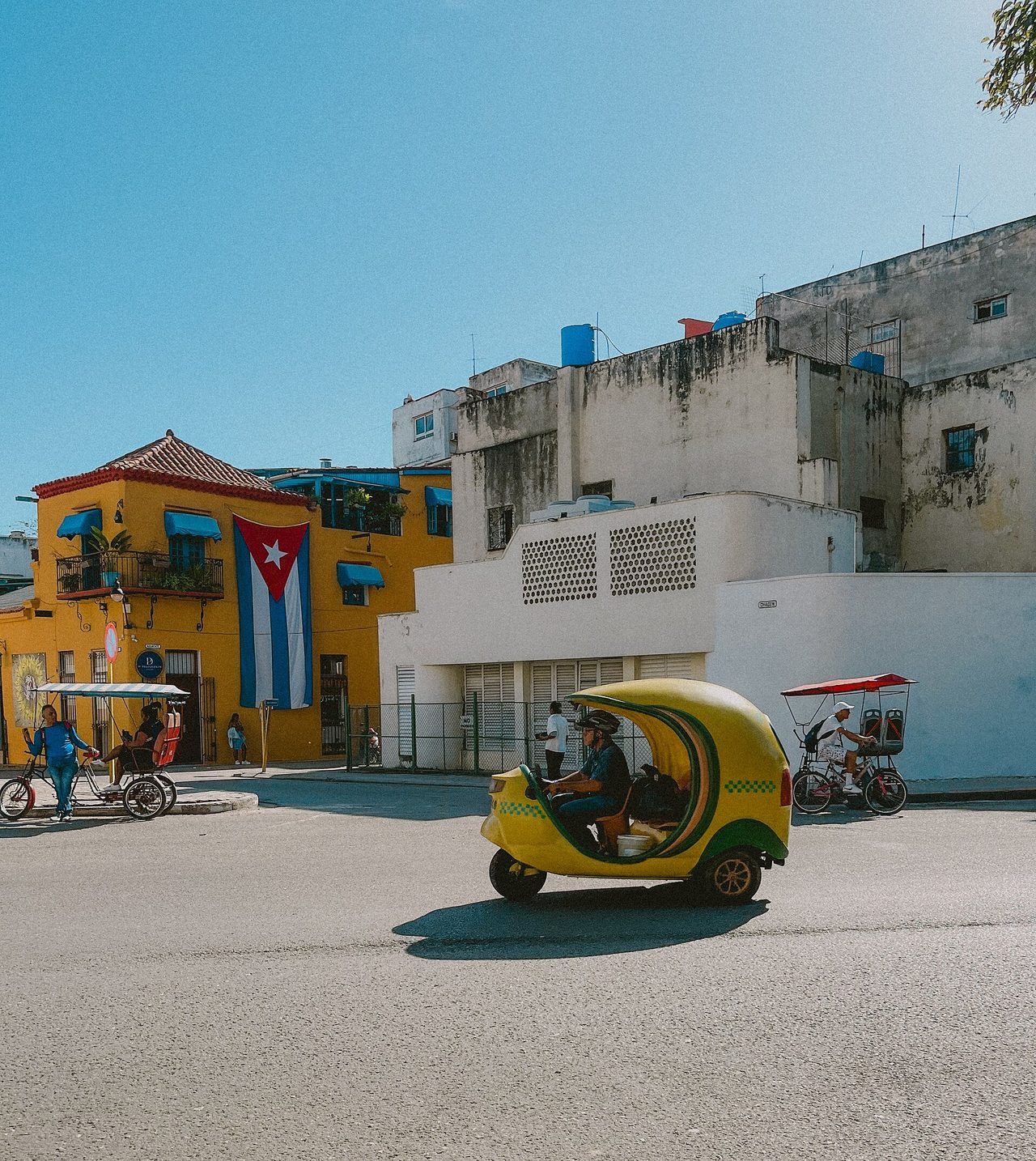
Photo: Theodore.shouse / CC BY 4.0 · via Wikimedia Commons
Cuba's Transit System Is Collapsing Under the Fuel Blockade
Four Hundred Nineteen Buses Became Eleven
Cuba's transport minister, Eduardo Rodriguez Davila, told Reuters in an exclusive interview in Havana that the island's traditional public transport had reached one of its lowest points in history. Daily bus service from the capital out to the provinces fell from 419 trips in 2025 to just 11 this year, he said, with routes island-wide cut from more than 100 down to 21.
A Task That Looks Impossible
Davila, a mechanical engineer turned minister, describes his daily job as moving millions of people by plane, train and automobile across a country that spans 780 miles (1,250 km) with virtually no fuel. He estimates passenger trips on public transportation will plunge 75% this year compared with last. "These are families that can't move around, people who can't visit their sick loved ones, others who can't get to a hospital," he said, adding that the causes behind the shortfalls are complex.
The Commuter Network Takes the Worst Hit
Inter-urban transportation, the backbone of Cuban workers' daily journeys, is expected to fall 90%. On a government-organized press tour, the strain was visible at every stop: dozens of yellow electric tricycles owned by a state company sat idle in a parking garage, unable to charge because there was no electricity. Frustrated taxi drivers vented; the minister grimaced. "These are the problems we face," he said.
Freight Volumes Collapse
The crisis reaches beyond passengers. Domestic cargo movement is expected to fall to around 20 million tonnes this year, less than a third of the 70 million tonnes moved across the country last year. In practice that means food imports rotting at ports and garbage trucks unable to make their rounds.
Electric Two-Wheelers Step In, Charging Does Not
Cuba now has 150,000 electric cars, bikes and tricycles, double the number in 2025 and roughly 15% of the country's total one million vehicles. The real share is likely higher, Davila said, given unregistered plug-in bikes and the prohibitive cost of running a car on gasoline or diesel. By August, 40% of vehicle imports were electric, up from 3.5% in January 2025, helped by import incentives that waive or reduce taxes for electric vehicles. The catch is infrastructure: such vehicles often cost twice as much as gasoline or diesel models, and charging them requires power the grid cannot always supply.
Private Cars, Hitchhikes, and Fares Nobody Can Afford
For those without a vehicle, the answer has been hitchhiking, impromptu carpools and increasingly expensive private transport. State-run passenger transport collapsed by 93% between January and September 2025, falling from 40.2 million to just 900,000 users, according to Cuba's statistics agency. A private Matanzas–Havana route that began in July charges 3,000 pesos per trip. On the Ciclobús bicycle bus that ferries commuters across Havana by water, fares run 2 to 5 pesos. A tricycle ride in the city costs about 500 pesos, under a dollar, against average monthly salaries of roughly $10 for state workers and $40 in the private sector. Meanwhile gasoline is rationed to 20 litres per vehicle through an appointment process that can take weeks.
Solar Charging and a Pharmacy Delivery Fleet
Cuba is rushing to build solar charging stations, shifting demand from a decrepit, mostly fuel-fired grid to the sun. The transport ministry has just purchased 60 solar charging stations for distribution nationwide. State enterprise Transmed will soon inaugurate a fleet of cargo vans and charging stations to move medicines to pharmacies across Havana without burning hard-to-source fuel.
Nine Months of Blockade, Two Narratives
The US de facto ban on fuel imports to Cuba's government, imposed in late January, is now nine months old. Washington defends the blockade and recently expanded sanctions as necessary to upend a government it calls inept and corrupt. Cuba and the United Nations both call the blockade illegal and a violation of Cubans' human rights, and UN human rights experts have described the result as "energy starvation" and an unlawful blockade. In July, the UN General Assembly voted 136-9, with 30 abstentions, to debate the blockade, and a vote on ending it is scheduled for October 28 — the first resolution of its kind focused on the fuel blockade itself.
A City Moving Again, Still in the Dark
Havana Times reports a flicker of life returning as gasoline arrives in bulk from the United States: a restaurant gleaming with fresh varnish on one corner, and a new electric tricycle route linking the Iron Bridge over the Almendares River with the Clinical-Surgical Hospital. But the wider picture stays bleak. In Holguin province, spare parts and fossil fuels are hard to obtain, and transport to isolated mountain communities has come close to a standstill.
Sources
- U.S. News & World Report: Cuba's Public Transport Plunges to All-Time Low Amid US Fuel Blockade, Minister Says
- The Straits Times: Cuba's public transport plunges to all-time low amid US fuel blockade, minister says
- TV Del Marva: Cuba's Public Transit at Historic Low as US Fuel Blockade Bites Hard
- Cuba Headlines: Public Transportation Costs in Matanzas Remain Out of Reach, Official Media Admits
- talkwinchester: Solar-powered tricycles help Cubans navigate fuel shortages and blackouts