The Era of Cheap Flights Is Over. Airlines Say Don't Hold Your Breath
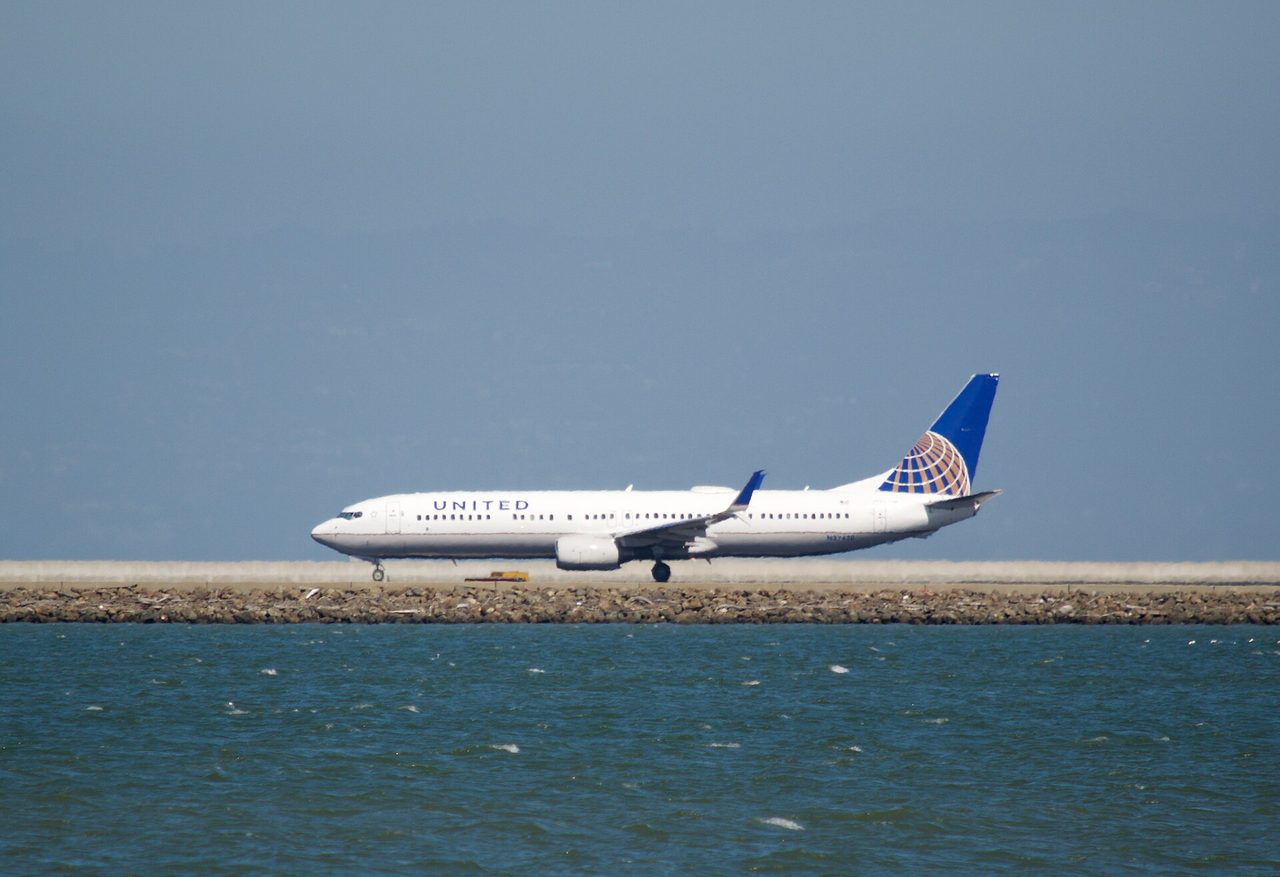
Photo: Bill Abbott / CC BY-SA 2.0 · via Wikimedia Commons
The Era of Cheap Flights Is Over. Airlines Say Don't Hold Your Breath
A Decade High Nobody Wanted for the Holidays
Americans flying home for the holidays are walking into the most expensive festive season in ten years. Hopper's 2026 Holiday Travel Index puts the average domestic Thanksgiving round trip at $402, up 31 percent, or about $95, from last year, and Christmas at $452, up 23 percent, or about $85. A separate current Hopper reading puts the Thanksgiving average at about $389, roughly 39 percent more than at this point last year. Whichever reading you prefer, the verdict is the same, and Hopper advises travelers to lock in tickets before Halloween.
Up a Quarter From Last Summer, and the Data Agrees
This is not one expensive route. The Consumer Price Index shows United States airfares jumped about 25 percent this summer versus 2025, with August up 23 percent and September up 22 percent year on year. Across the seven months through September, fares rose an average of nearly 23 percent, dwarfing the 3.6 percent rise in overall consumer prices, according to Labor Department data. Deutsche Bank's fare tracking makes it tangible: in a single week to September 18, the average same-day one-way domestic fare hit $280 on Allegiant Air, up 21 percent, and $463 on American Airlines, up 6 percent.
United's Boss Says It Out Loud: Fares Are Staying
The official line is unusually blunt. "It's expensive to fly airplanes," United chief executive Scott Kirby told analysts on the October third-quarter earnings call, adding that most carriers will lose money this year so fares have to stay high. "I certainly think pricing is going to stay," he said, with a good chance fares climb higher still next year. In a separate interview with The New York Times, Kirby argued the increases are a recovery from abnormally cheap fares, noting that inflation-adjusted prices remain below 2019 levels despite September's 22 percent jump.
Eight Billion in Extra Fuel, Plus a Missing Budget Airline
Two hard forces sit behind the fares. First, fuel: Kirby told CNBC that United's fuel bill is up $8 billion year over year, with jet fuel math built around $3.90 a gallon and no relief expected into 2027. The Argus index had jet fuel at $4.53 a gallon on September 17, nearly twice the 2025 average, and constrained refining capacity has pushed jet fuel up faster than crude. Second, Spirit Airlines stopped flying on May 2, ending more than three decades of ultra-low-cost flying. Spirit used to drag fares down roughly 15 percent in the markets it served, and on routes where it once carried at least 40 percent of passengers, the average fare paid jumped 35 percent in May and June.
Emptier Planes, Richer Tickets: the Industry's New Playbook
Here is the paradox: fares are soaring while planes fly emptier. American Airlines posted its highest quarterly revenue ever, $16.3 billion, in the third quarter and still lost money, with load factor down 2.6 percentage points to 83.4 percent. Revenue is rising because tickets cost more, not because more people fly. As Reuters reported, carriers are choosing higher fares over fuller planes, and they keep pushing: JetBlue initiated a $10 one-way domestic increase this week, following a United-led increase that Southwest matched.
Holiday Families and Last-Minute Flyers Pay First
The pain lands hardest on price-sensitive leisure travelers and holiday captives. The classic Wednesday-before-Thanksgiving-out, Sunday-back itinerary is the priciest of all, while returning the following Monday or Tuesday can save as much as $250 on a round trip, per Hopper's analysis. Last-minute buyers fare no better, with same-day one-way tickets running into the hundreds of dollars. Analysts warn that even if fuel eases, the surcharges, bag fees and seat fees layered on top are very unlikely to be rolled back in the coming months.
Watch Oil Talks, Earnings Season and the 48-Hour Window
Three things decide what comes next: the on-again-off-again talks calming oil markets, which airlines say will stay elevated through 2027; fourth-quarter earnings season, which will show whether the "fares over full planes" strategy hardens into 2027; and the last-24-to-48-hour window, where big-city hotel rates sometimes fall — an exception that does not apply to airfares, which Hopper says will not drop as the holidays near. For travelers, the practical advice is unchanged: book before Halloween, and fly back on Monday.
Sources
- CNN: Airfares are way up compared to last year. Don’t expect it to change this holiday season
- CNBC: Why airfare is rising as airline profits get squeezed
- marketscreener.com: US airlines favor higher fares over fuller planes as fuel costs squeeze profits
- U.S. News: High Airfares Could Stick Around Even if Jet Fuel Prices Fall
- KREM: Report: Holiday travelers could face the highest Thanksgiving and Christmas airfares in a decade