Halloween Candy Stumbles Early as Shoppers Trade Down
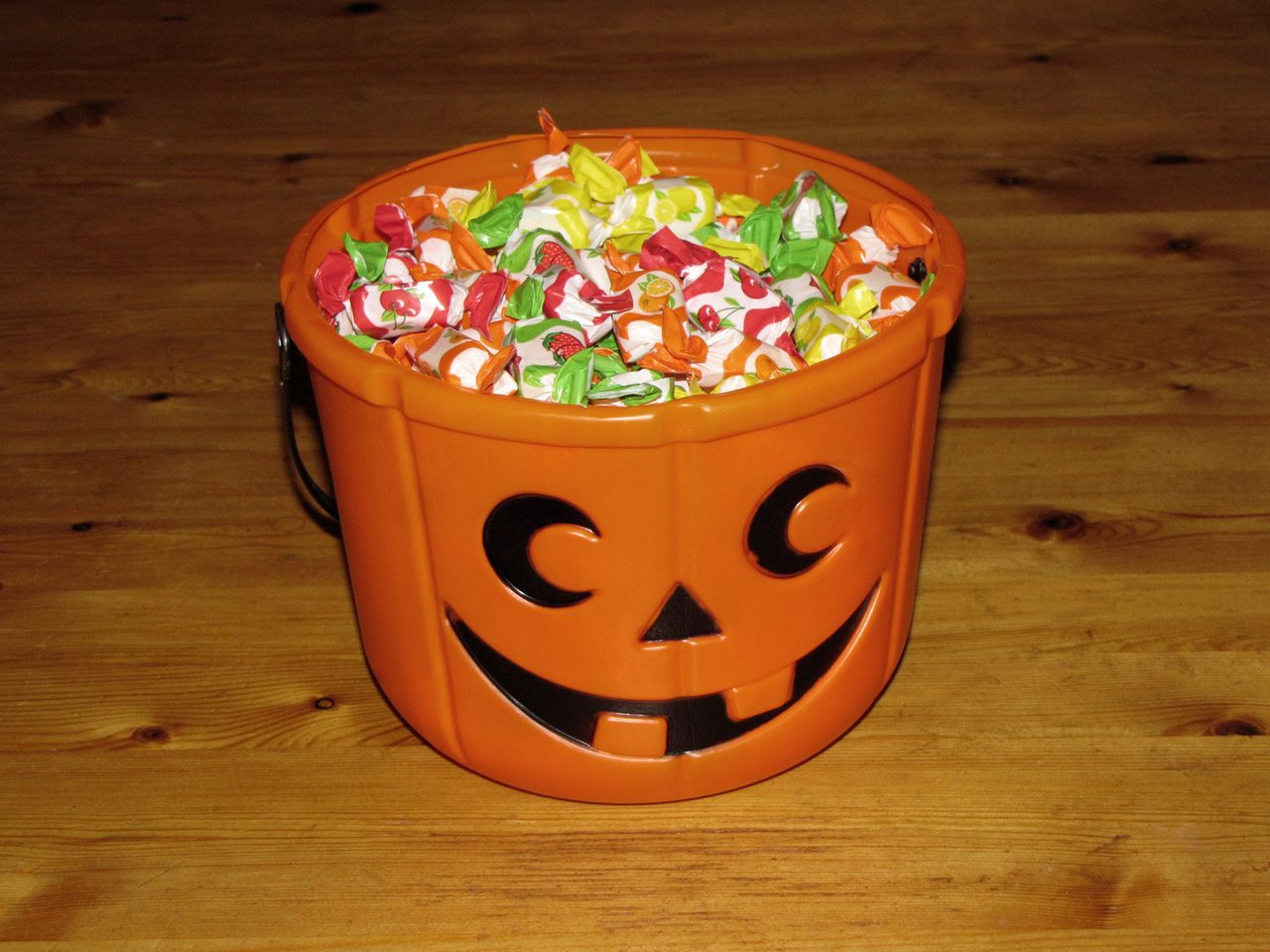
Photo: Petey21 / CC0 · via Wikimedia Commons
Halloween Candy Stumbles Early as Shoppers Trade Down
Sales fall 6.7% with one week to go
Halloween candy sales are off to a slow start in the United States. Sales fell 6.7% in the month ending October 17 compared with the same period last year, according to market research firm NielsenIQ. A separate 11.7% drop in mid-September erased the preseason gains candy had enjoyed over the previous two years.
Small bags grow while big bags slump
The pain is uneven. Only small bags of candy posted sales growth through mid-October, said Chris Costagli, a vice president at NielsenIQ. Large and extra-large bags suffered the steepest declines, as households traded down rather than opting out entirely.
Candy makers insist the peak is still ahead
The National Confectioners Association, which represents Mars, Smarties Candy Co. and Ferrara Candy Co., struck an optimistic note, saying in a statement that the industry is "just now entering the peak period for Halloween and consumer enthusiasm remains incredibly strong."
Cocoa's fourfold surge lands on the shelf
Chocolate is the main culprit. Halloween chocolate prices have climbed 15.5% to an average of $5.67 per package, while non-chocolate candy rose just 1.8% to $3.31, according to NBC News, citing PwC data. The surge traces back to extreme weather in West Africa, the source of about 70% of the world's cocoa. Poor harvests in Ivory Coast and Ghana sent cocoa prices soaring, roughly quadrupling between January 2023 and January 2025 and hitting a record $10,710 per metric ton in January 2025. Prices have since fallen by roughly half, but shoppers see little relief: chocolate makers buy cocoa months, sometimes up to two years, in advance, "so shoppers are paying for that spike now," Ali Furman, PwC's consumer markets industry leader, told NBC News.
Tariffs and shrinkflation pile on
Government data adds to the picture: candy and chewing gum prices rose 8.1% in August from a year earlier, according to Bureau of Labor Statistics figures cited by Fox Business. Hershey raised prices across its candy and snack portfolio in the first quarter to offset commodity and tariff-related costs; in the second quarter it posted a 20.2% adjusted operating margin with net sales up 6.6% to $2.79 billion. An analysis by the Groundwork Collaborative, reported by Food Dive, found Mondelez sour gummy variety packs cost 39% more than in 2025, while seasonal Hershey's Reese's rose more than 23%. In a telling shift, Hershey added salty snacks to its Halloween lineup for the first time, with fun-size Pirates Booty and SkinnyPop packs, while PepsiCo's Frito-Lay launched a "Fright Night Mix" of Doritos and Cheetos for trick-or-treaters.
Stretched budgets, not sticker shock
Analysts say the deeper problem is affordability across the board. "Consumers are spending so much additional money on fuel and housing and clothing and food," Costagli said. For many households, skipping the big candy bag "is not necessarily because 'I notice it's more expensive than last year,' it's 'I can't afford it this year because I've paid so much more for so many other things.'" David Branch of the Wells Fargo Agri-Food Institute told USA Today that families may find less chocolate in trick-or-treat bags this year and will "lean more heavily on value."
Record spending still expected
Paradoxically, overall Halloween spending is still forecast to hit a record $13.5 billion in 2026, up from $13.1 billion in 2025 and $11.6 billion in 2024, according to the National Retail Federation, with per-person spending essentially flat at $115.14 versus $114.45 last year. Candy accounts for about $4.1 billion of that, with 96% of consumers planning to buy sweets and 61% planning to hand out candy. "Consumers continue to make Halloween a spending priority, but they are also approaching the season with affordability in mind," said NRF Vice President Allison Zeller. Whether the final week's rush validates the industry's optimism is now the question to watch.
Sources
- Fortune: America skimps on Halloween as high fuel prices force shoppers to buy small bags of candy and abandon large sizes
- U.S. News: Halloween Candy Sales Are off to a Slow Start Amid High Chocolate Prices and Affordability Concerns
- Yahoo Finance: Halloween chocolate prices rising 15.5% amid cocoa shock
- Quartz: Halloween chocolate prices are up 15.5% as cocoa shock hits shoppers
- FOX 9: Halloween candy prices jump 8.1% as Americans prepare to spend billions on treats