DALLAS — Researchers using a deep-sea robot submarine found traces of the world's deepest known explosive volcanic eruption. The traces lay 6,148 meters below sea level in the Mariana Trench. The finding came from a study published Nov. 23, 2026, in Frontiers in Earth Science. They were deep.
Record depth surpasses 2008 milestone
University of Texas at Dallas geoscientist Robert J. Stern and Ignacio Pujana led the team. They recovered thin, flat layers of welded pyroclastic rock from the inner wall of Challenger Deep. They were thin. That depth of 6,148 meters, or 20,170 feet, surpasses the previous explosive ocean eruption record of roughly 13,000 feet set in 2008.
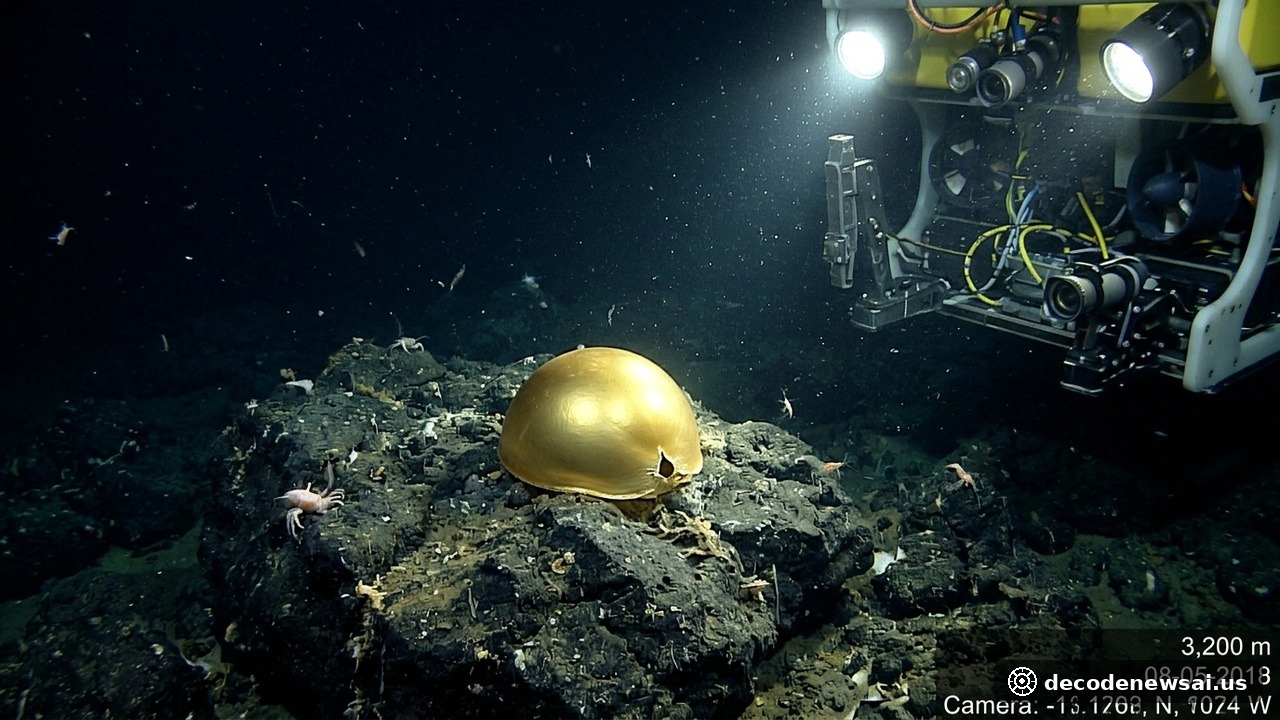
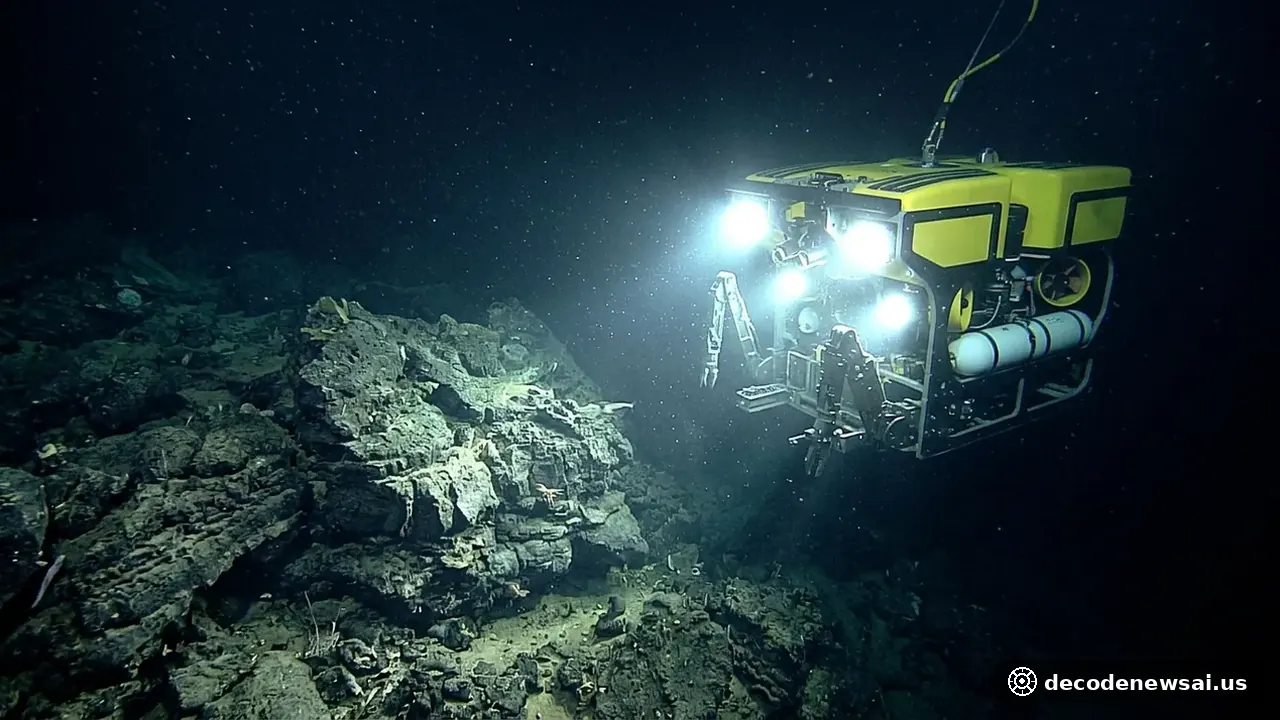
The expedition used the Woods Hole Oceanographic Institution's remotely operated vehicle Jason/Medea. It completed seven dives. They covered about 300 kilometers of the trench forearc.
Supercritical fluids and deep-sea life
At more than 6,000 meters down, ocean pressure exceeds 600 bars. It forces volcanic water into a dense supercritical state. Pressure was high. Scientists say nearby magma heat could drive undiscovered deep-sea hydrothermal vents that feed chemical-based ecosystems.
The find was surprising. “Explosive volcanism near trenches is unusual, so we were very surprised,” said Dr Robert J. Stern of the University of Texas at Dallas. He was lead author of the article in Frontiers in Earth Science. “These are the deepest pyroclastic rocks documented to date from anywhere in the ocean.”
Deeper exploration planned along trench
The researchers plan to publish a full mineral analysis of the recovered rock samples. Analysis is planned. They plan to survey further west along the Pacific plate boundary. Exploring deeper than Jason/Medea's 6,500-meter limit will require specialized crewed submersibles.