BASEL, Switzerland - Researchers at the University of Basel have identified two groups of brainstem neurons. They actively generate sleep pressure. Inhibiting them cut mouse sleep by about 70%.
Brainstem Neurons Track Waking Hours
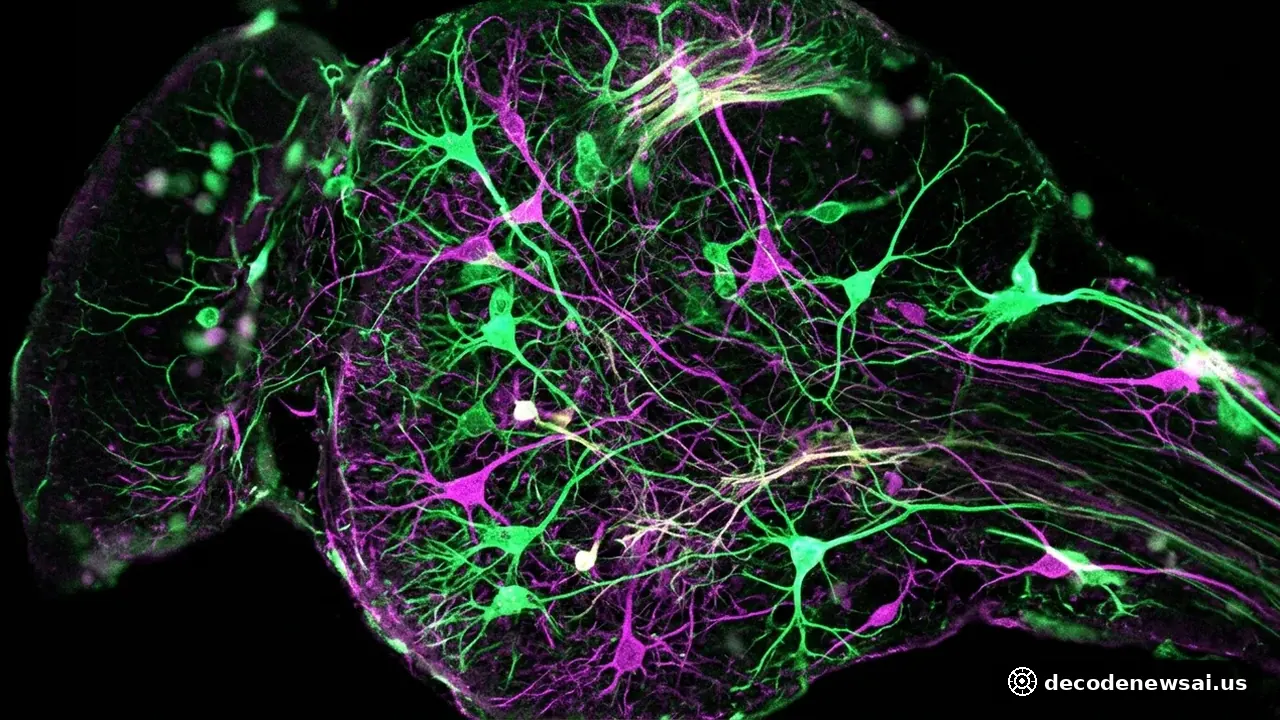
Scientists led by Professor Alex Schier at the University of Basel's Biozentrum mapped mouse brain activity across normal cycles, sleep deprivation, and recovery sleep. They worked with Beth Israel Deaconess Medical Center and Auburn University. They pinpointed the neurons. GABAergic and serotonergic neurons in the brainstem showed activity that rose the longer mice stayed awake and fell after sleep began.
Mice Avoided Typical Deprivation Impairments
Activating both neuron groups triggered deep recovery-like sleep. Long-term inhibition dramatically lowered the animals' need for rest. "These neurons do not simply signal that an animal has been awake," Schier said, adding that experiments show they are crucial to promote sleep and generate sleep drive. Unexpectedly, most mice sleeping roughly 70% less avoided severe behavioral impairments typically caused by sleep deprivation.
The Study Opens New Paths for Sleep Disorder Research
The study was published in the journal Nature. ScienceDaily highlighted it on November 22, 2026. It suggests sleep duration and sleep need may be more separable than previously thought. First author Dr. William Joo said the ability to stably alter sleep behavior will help scientists investigate molecular sleep-drive mechanisms and potential therapies for sleep disorders.