CHARLOTTESVILLE, Va. - University of Virginia researchers discovered that the Alzheimer's risk gene CASS4 directs brain immune cells called microglia to surround and compact toxic amyloid-beta plaques, revealing a new immune-focused path for potential treatments, according to findings highlighted Nov. 21.
CASS4 Acts in Microglia Not Neurons
Microglia Defense Replaces Neuron-Centered Assumption
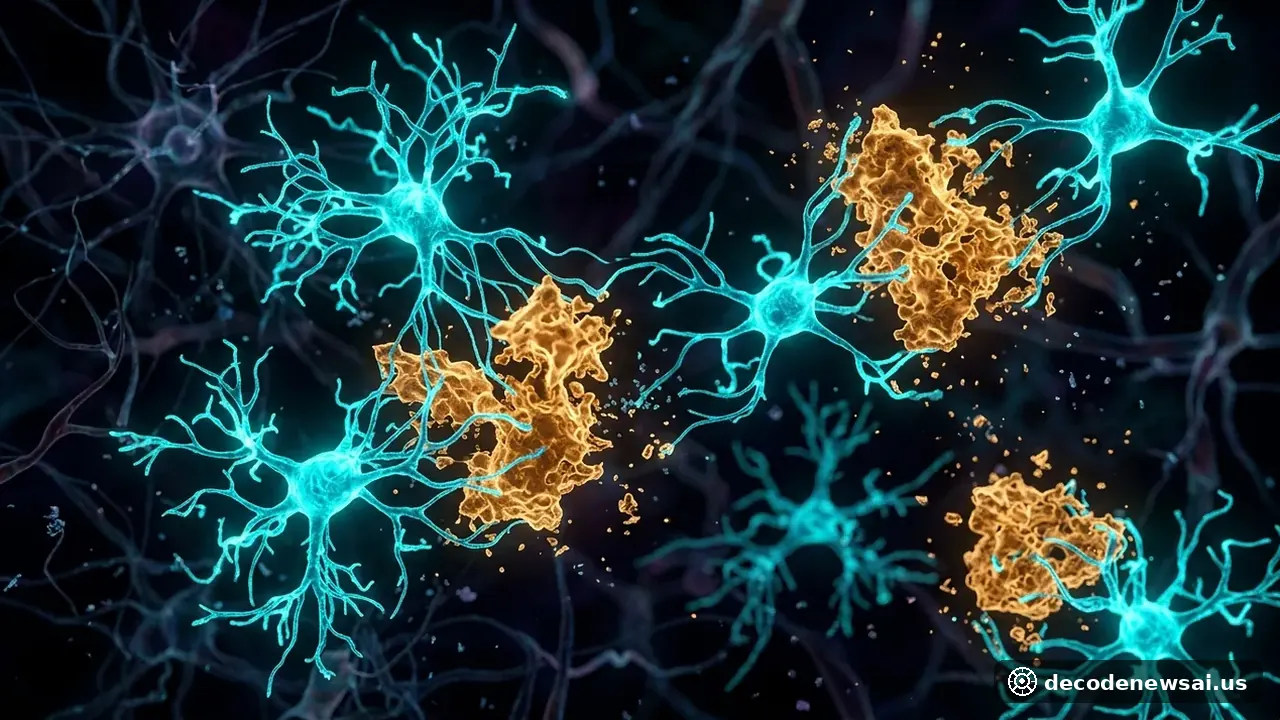
Alzheimer's disease affects more than 6 million Americans and ranks as the sixth-leading cause of death in the United States. While scientists long presumed CASS4 acted inside neurons, Dr. John Lukens and first author Addie Walsh reported in the Journal of Experimental Medicine that the gene primarily operates inside microglia, the brain's cleanup immune cells. When functioning normally, microglia form protective barriers around sticky amyloid-beta deposits and compress them into tight clusters to limit tissue damage.
Gene Disruption Accelerates Plaques and Cognitive Decline in Mice
CASS4 Loss Worsens Mouse Plaques and Cognitive Decline
When the UVA team disrupted CASS4 in laboratory mice, microglia failed to corral plaques effectively, allowing toxic buildup to spread aggressively, damaging nearby neurons, and worsening cognitive decline. Losing CASS4 also triggered widespread downstream changes in gene activity that could inform research into other neurodegenerative disorders.
Immune-Boosting Therapies Await Human Validation
"Many in the field initially presumed that CASS4 was likely functioning in neurons to influence Alzheimer's. Our findings shift this paradigm by proving that CASS4 predominantly acts through the immune system," Lukens said, adding that defective CASS4 activity could serve as an early biomarker. Researchers cautioned that the protective effects have only been shown in mice and require further study in humans.