New Dementia Cases Worldwide On Track to Double by 2050
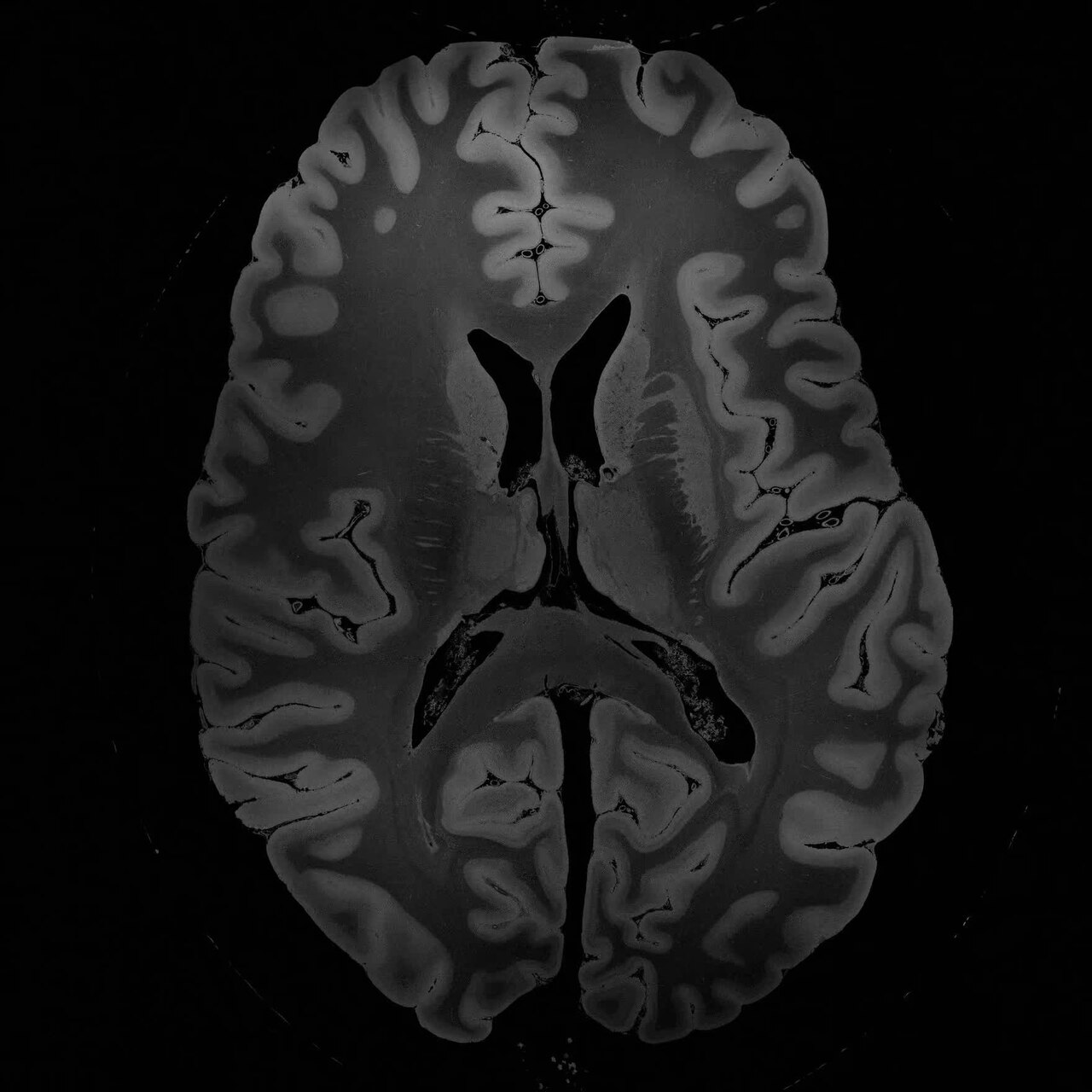
Photo: Edlow BL 等 / CC0 · via Wikimedia Commons
New Dementia Cases Worldwide On Track to Double by 2050
11.4 Million New Cases in 2023, 24.7 Million by 2050
Research published Monday in JAMA Neurology estimates that about 11.4 million people developed dementia in 2023, a figure projected to more than double to 24.7 million a year by 2050. The work was led by the Centre for Healthy Brain Ageing at UNSW Sydney and pooled 22 population-based studies covering 38,418 participants in 18 countries and territories across six continents — the most geographically comparable estimate of dementia incidence to date.
The Doubling Date Arrives a Decade Early
As the New York Post noted, earlier forecasts typically put a doubling of cases around 2060; that date has now moved forward by ten years. A US study published in January 2025 had already put the lifetime risk of dementia after age 55 at 42%, with new cases rising from roughly 500,000 a year to one million by 2060.
A Doctor Calls It an Accelerating Epidemic Crisis
Dr. Liron Sinvani, a geriatrician at the Northwell Institute for Healthy Aging, described the trend as "an accelerating epidemic crisis." Her arithmetic is blunt: about one in nine people have dementia after 65, "but after 85, it could be almost one in three."
Women and Lower-Income Countries Shoulder More
Across 287,000 person-years of follow-up, 3,001 participants developed dementia, giving a global age- and sex-standardised rate of 9.7 new cases per 1,000 person-years. The rate was 10.6 among women against 8.6 among men, and new cases were 64% higher in low- and middle-income countries than in high-income ones. "Dementia incidence is not evenly distributed," said lead author Dr. Ashleigh Vella, adding that understanding those differences is essential to prevention, diagnosis and care strategies. Professor Henry Brodaty, a CHeBA co-director, pointed to women's historical barriers to education and careers as a possible drag on cognitive reserve.
The WHO's Bigger Picture: 139 Million by 2050
The World Health Organization counts more than 57 million people living with dementia, with close to 10 million new diagnoses each year, rising to 78 million by 2030 and 139 million by 2050. Global dementia costs were put at $1.3 trillion in 2019 and are projected to reach $1.7 trillion by 2030, or $2.8 trillion once rising care costs are included.
Nearly Half of Cases Are Potentially Preventable
The 2024 Lancet Commission identified 14 modifiable risk factors and estimated they account for about 45% of dementia cases at population level, up from 40% in its 2020 report after the addition of high LDL cholesterol and untreated vision loss. Hearing loss and high LDL are each linked to roughly 7% of cases, and limited early education to about 5%. WHO's July 2026 risk-reduction guidelines make the same "up to 45%" argument, naming tobacco, alcohol, physical inactivity, social isolation, air pollution, high blood pressure and diabetes.
Britain Opens Its Wallet for Trials and Diagnosis
Governments are responding. On 8 October, UK Prime Minister Andy Burnham announced a £48 million nationwide research partnership to widen access to clinical trials and speed new treatments, making dementia an early priority for the new Health Data Research Service. UK Research and Innovation separately committed up to £80 million to trial faster brain scans, blood tests and a 15-minute remote cognitive test in the NHS, aiming to diagnose 92% of patients within 18 weeks of referral, up from about 60% today.
Australia's Leading Cause of Death, and the Care Gap
Roughly 446,500 Australians are living with dementia, and it overtook ischaemic heart disease in 2024 as the nation's leading cause of death, with more than 17,500 deaths that year. Numbers are projected to pass one million by 2065. In WHO's African Region, about 1.9 million people live with dementia at an annual cost of $15.6 billion — most of it carried by unpaid carers who spend an average of 12.9 hours a day providing care, against a global average of 7.8 hours.
What Individuals Can Actually Do
Researchers say the practical levers are unglamorous. Dr. Josef Coresh of NYU Langone Health found that people who reach middle age without high blood pressure, diabetes and smoking live nearly 13 more dementia-free years than those carrying all three. The Guardian reported on 11 October that recipients of the recombinant shingles vaccine had 17% fewer dementia cases over six years than those given the older vaccine — an extra 164 days lived without the condition, with women benefiting 22% and men 13%. Experts still caution that blood tests are not for the worried well; blood pressure, blood sugar, hearing and exercise remain where the evidence is strongest.
Sources
- New York Post: Dementia cases are set to double by 2050
- Medical Xpress: Global dementia study reveals 11.4 million new cases in 2023
- Dementia cases expected to soar
- Nine News: Global incidences of our biggest killer could double by 2050
- The Guardian: why demand for the shingles vaccine is soaring