Siemens Healthineers exits general ultrasound to double down on procedural cardiology
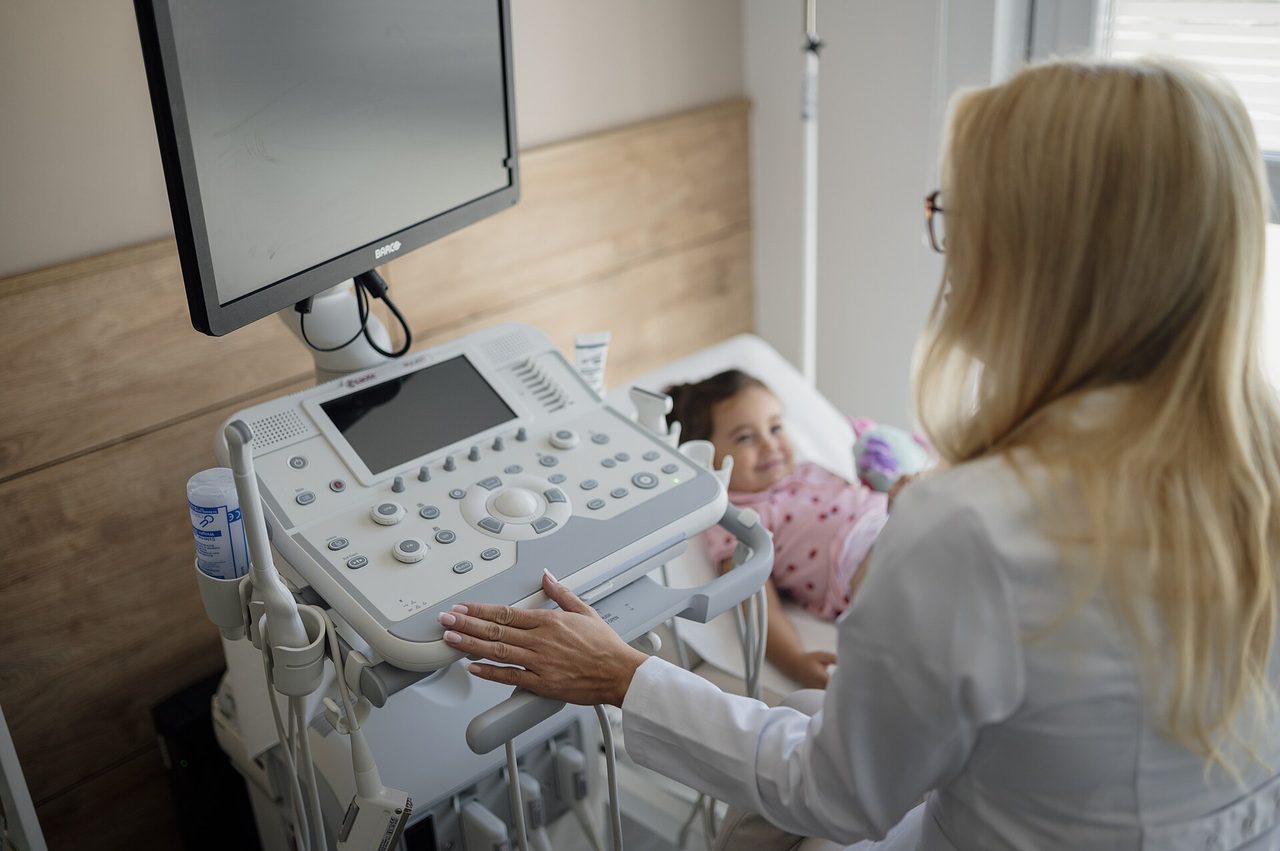
Photo: Shixart1985 / CC BY 2.0 · via Wikimedia Commons
Siemens Healthineers exits general ultrasound to double down on procedural cardiology
Four general imaging systems leave the market
Siemens Healthineers announced on October 12, 2026 that it will no longer sell general imaging ultrasound systems — the Acuson Sequoia, Redwood, Juniper and Maple — effective immediately, and that it will manufacture and sell only ultrasound used to monitor cardiovascular disease and procedures. AuntMinnie, Becker's Hospital Review, DOTmed, DA Cardiology and Cardiovascular Business all carried the story the same day, while MarketScreener reported further detail from the company.
The official line: imaging is becoming therapy
What remains is a procedural portfolio: the Acuson Origin, the P500 intracardiac echocardiography (ICE) system and the Freestyle, sold with dedicated software and catheters to procedural customers, mainly electrophysiologists and interventional cardiologists. "Imaging is increasingly becoming part of therapy, not just diagnosis," said Sourabh Pagaria, who heads the ultrasound business. The company said concentrating the portfolio lets it apply its strengths in advanced cardiovascular imaging, ICE, software, AI and partnerships with cardiovascular device companies to address clinical needs and create long-term value.
Why: a share position that could not pay for itself
The company's public explanation was blunt: the general imaging market is already well served by multiple established providers, and Siemens Healthineers is not a leader in that segment — third-party market data puts it behind GE Healthcare, Philips and other top vendors, a scale position that leaves margins thin. MarketScreener placed the ultrasound business within the Precision Therapy division, generating just over €600m in revenue in 2025, about 9% of the division's total.
Installed base keeps service, contracts stay honored
The company argued patient care is not at risk: the market for general ultrasound systems is well served by several established providers. Existing customers will continue to receive maintenance, software updates and transducer availability, and Siemens Healthineers said it will honor all contractual and regulatory obligations. None of the reports reviewed disclosed how many employees, if any, are affected by the move.
The bet lands squarely on electrophysiologists
With general imaging gone, procedural imaging and image-guided therapy become the entire ultrasound strategy. The direct beneficiaries are electrophysiologists and interventional cardiologists, whose atrial fibrillation ablations and structural heart procedures depend on intracardiac ultrasound and real-time guidance. The company's own materials describe a portfolio spanning from trusted 2D imaging to real-time 4D ICE across every stage of electrophysiology and structural heart interventions.
Rivals gain a shelf, hospitals lose a choice
Hospital buyers weighing a routine ultrasound purchase now have one fewer brand on the tender, sharpening the contest among GE Healthcare, Philips, Fujifilm, Canon and Mindray, while departments running installed Siemens systems face a base that will be serviced but not renewed. The flip side is a cleaner R&D budget for cardiovascular intervention: Siemens Healthineers recently launched its OPTIQ AI image chain and has worked with Burjeel Holdings on AI-enabled cath labs.
What to watch next
Three questions follow. Can procedural ultrasound expand into more interventional procedures? Will partnerships with cardiovascular device vendors turn into bundled sales? And how does this fit the larger corporate reset — parent Siemens AG is pushing ahead with the spin-off of the health business, with a shareholder vote scheduled at its annual general meeting in February 2027, while the diagnostics unit is being separated as well. Exiting general ultrasound is one more move in a strategy of backing strengths and cutting the rest.
Sources
- Becker's Hospital Review: Siemens ends general imaging ultrasound sales
- AuntMinnie: Siemens focuses ultrasound business on procedural imaging
- DOTmed: Siemens Healthineers to exit general ultrasound market
- Cardiovascular Business: Siemens Healthineers doubles down on cardiovascular care as it exits general imaging ultrasound business
- DA Cardiology: Siemens Healthineers to Focus Ultrasound Biz on Procedural Imaging