Trader Joe's Wraps Identified as Source of 50-Person E. coli Outbreak
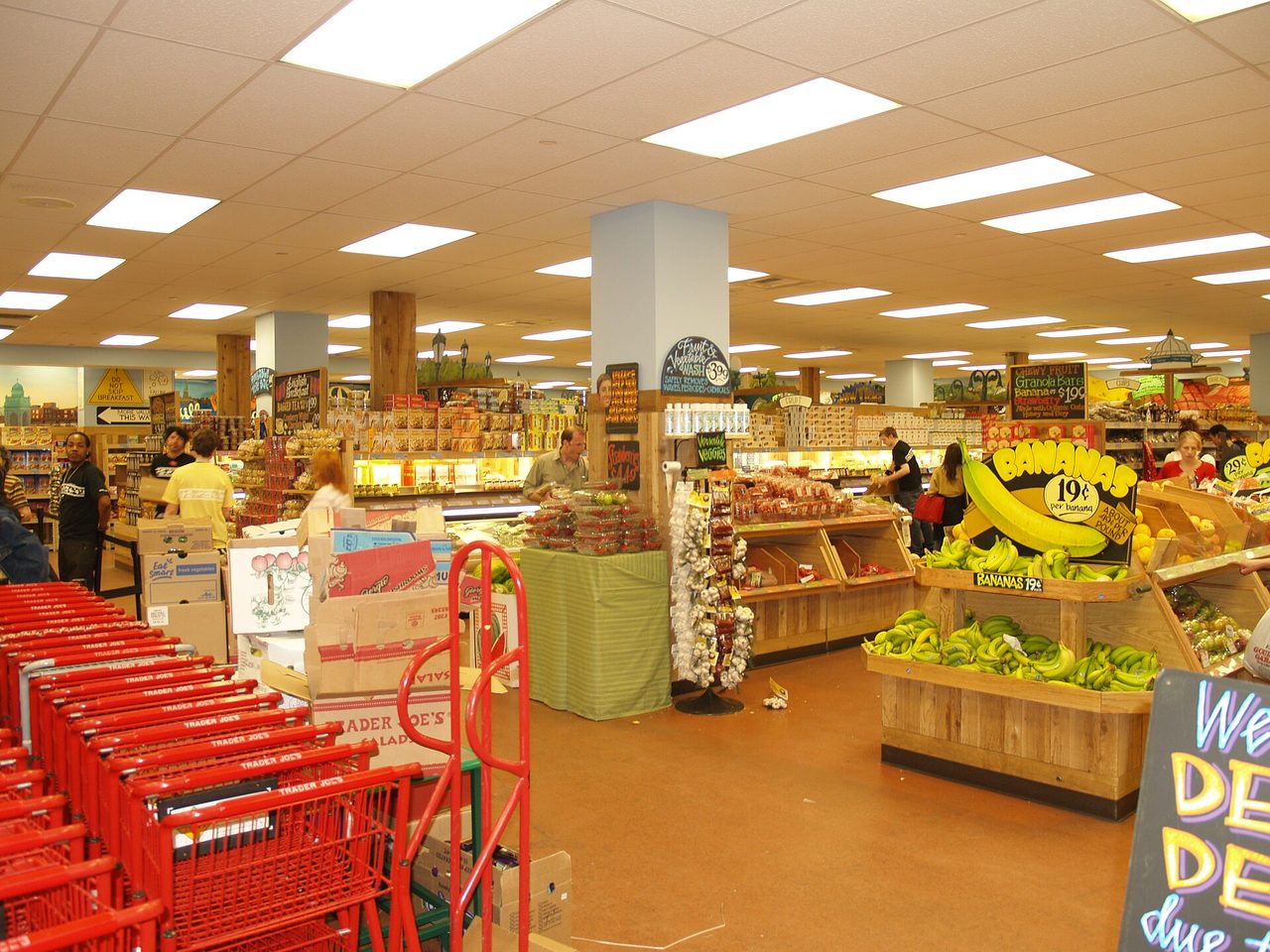
Photo: David Shankbone / CC BY-SA 3.0 · via Wikimedia Commons
Trader Joe's Wraps Identified as Source of 50-Person E. coli Outbreak
Federal agency confirms the wrap link after weeks of silence
The source of an ongoing E. coli outbreak that has sickened at least 50 people was chicken wraps sold at Trader Joe's, U.S. federal health authorities have confirmed. The Department of Agriculture's Food Safety and Inspection Service (FSIS) confirmed the link in an email to USA TODAY on Oct. 23, following that outlet's Oct. 22 story about a lawsuit and state investigation records that named Trader Joe's Tarragon Chicken Salad Wraps. The pathogen is E. coli O157:H7. The Food and Drug Administration's investigation, tracked as outbreak #1421, still described the vehicle only as a "multi-ingredient wrap with chicken (suspect)" and listed the status as "active" with a 50-person case count as of Oct. 22. The accompanying FSIS listing was similarly generic.
Nine states pulled, after a September heads-up from the FDA
Trader Joe's confirmed in an Oct. 20 email to USA TODAY that it pulled its Tarragon Chicken Salad Wraps from shelves in 9 states after the FDA notified the chain in September that there may be a "possible issue" with them. The affected stores were those supplied by a commonly identified contract manufacturer, and the company said it is working through a series of questions from the CDC and FDA. "These products were proactively removed from the market before the outbreak link was confirmed and are no longer available for sale or within shelf life," spokesperson Samantha Ottimo said.
Two hospitalizations, one lawsuit, and a CDC cluster code
On Oct. 15, food-safety law firm Marler Clark sued Trader Joe's on behalf of two women who say they were hospitalized after eating the wraps, pleading strict product liability, negligence, negligence per se and breach of implied warranty, and demanding a jury trial. Plaintiff Gayle Gottlieb of Pembroke, North Carolina, bought three of the wraps at a Myrtle Beach, South Carolina, store on Aug. 23, according to the complaint. She ate the first one on Aug. 27 and suffered "severe abdominal cramping and a significant loss of appetite," followed by bloody diarrhea the next day; by Aug. 30 she was in the emergency department at UNC Southeastern Hospital in Lumberton, North Carolina, where a stool sample tested positive for Shiga toxin-producing E. coli O157. The North Carolina Department of Health and Human Services classified her as a confirmed case in the multistate outbreak, assigned CDC cluster code 2609MLEXH-2, and recorded the source as "a wrap from Trader Joe's." Co-plaintiff Meaghan Egan Bright of Somerville, Massachusetts, bought a tarragon chicken salad wrap at an Allston, Massachusetts, store on Aug. 24 and ate it the same day, then developed diarrhea, nausea and "significant" abdominal cramping that worsened over several days. The complaint argues that two consumers in different states independently buying and eating the same named product in the same week, then developing lab-confirmed infections with the outbreak pathogen within its incubation period, is "powerful evidence of a common-source exposure."
No recall, no alert, no names — and a fight over disclosure
There has been no recall, no public health alert, and neither the FDA nor FSIS has named the manufacturer, the brand, the retailer or the states where people got sick. That silence is now the second controversy. "The only thing that FSIS is hanging its hat on is that the product's off the shelf; there's no reason to tell anybody anything," attorney Bill Marler told USA TODAY. "But when they can identify the product or the processor or the grower, they should be open and tell the public. The public has the right to know." Marler Clark attorney Ilana Korchia said: "Trader Joe's knows who made these wraps, what went into them, which stores received them and when they came off the shelves. None of that is in the public record. Discovery will put it there." Marler has written two citizen petitions urging the FDA to amend its disclosure rules to publish the suspect food, the states, hospitalizations and case counts, and to identify implicated retailers.
What happens next: trace the ingredient, test the system
With the product off shelves and past shelf life, the immediate risk from that batch is low, but the investigation is not over. The FDA and CDC are still pressing Trader Joe's for answers about the contract manufacturer, the ingredients and distribution, and the contaminated component — chicken, produce or cross-contamination — has not been publicly identified. Separately, discovery in the lawsuit could force supply-chain details into the public record. For shoppers, the practical advice is unchanged: bloody diarrhea or severe cramps after eating a ready-to-eat product merit prompt medical care, and keeping receipts and packaging helps investigators. The broader question this outbreak leaves behind is whether regulators should name a suspect brand sooner, even when the product is already gone.
Sources
- USA Today: Trader Joe's wraps named as source of ongoing E. coli outbreak
- People: Trader Joe's Faces Lawsuit Claiming 2 Women Were Hospitalized with E. Coli After Eating Wraps
- The News & Observer: North Carolina woman sues Trader Joe's over E. coli illness
- Miami Herald: SC Lawsuit: Trader Joe's wrap caused woman's hospitalization
- The State: Trader Joe's wrap lawsuit filed over SC E. coli illness