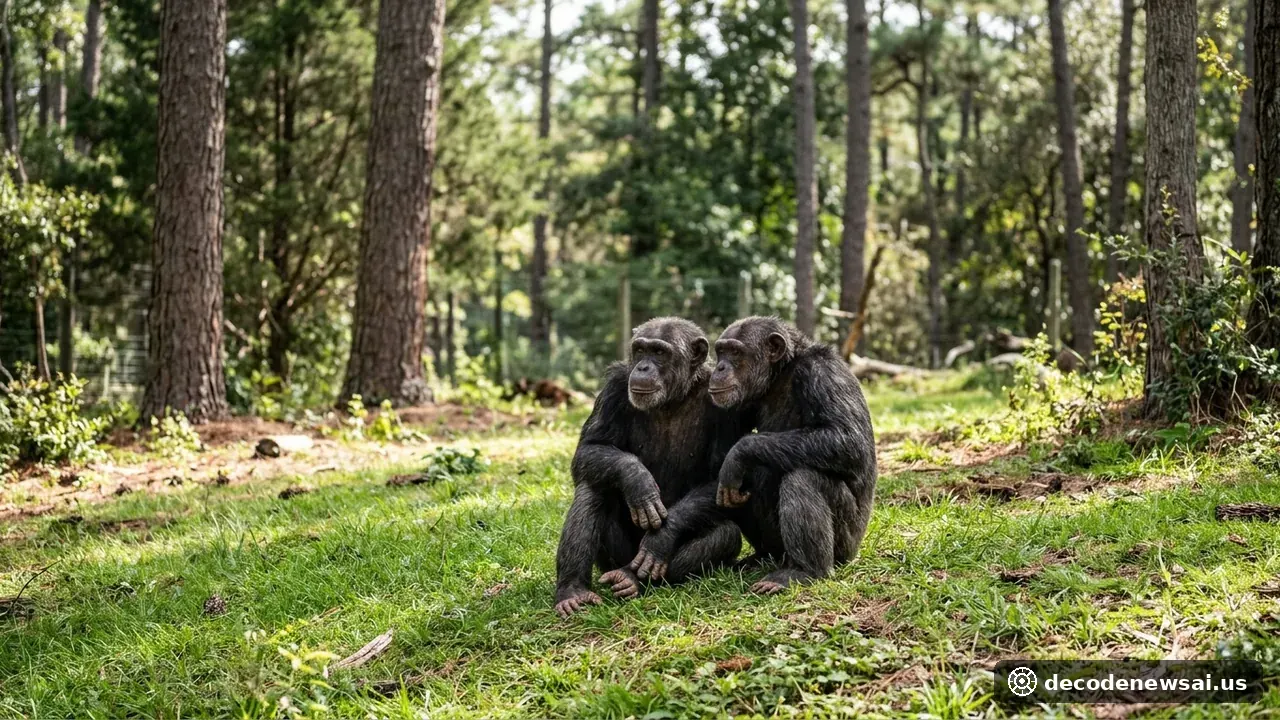
LUND, Sweden - An ancient virus that infected chimpanzees millions of years ago left DNA remnants that switch off a key brain development gene, researchers at Lund University reported in Science Advances and in Nov. 15, 2026 coverage. The gene, LINC00662, remains active in humans.
Viral DNA Silencing Through Methylation
Although humans and chimpanzees share nearly identical genes, their brains develop differently due to how those genes are regulated. Researchers found that PTERV1, an endogenous retrovirus embedded in chimpanzee DNA across generations, is shut down through a chemical process called methylation, which also silences the neighboring LINC00662 gene.
CRISPR Organoid Tests Confirm the Mechanism
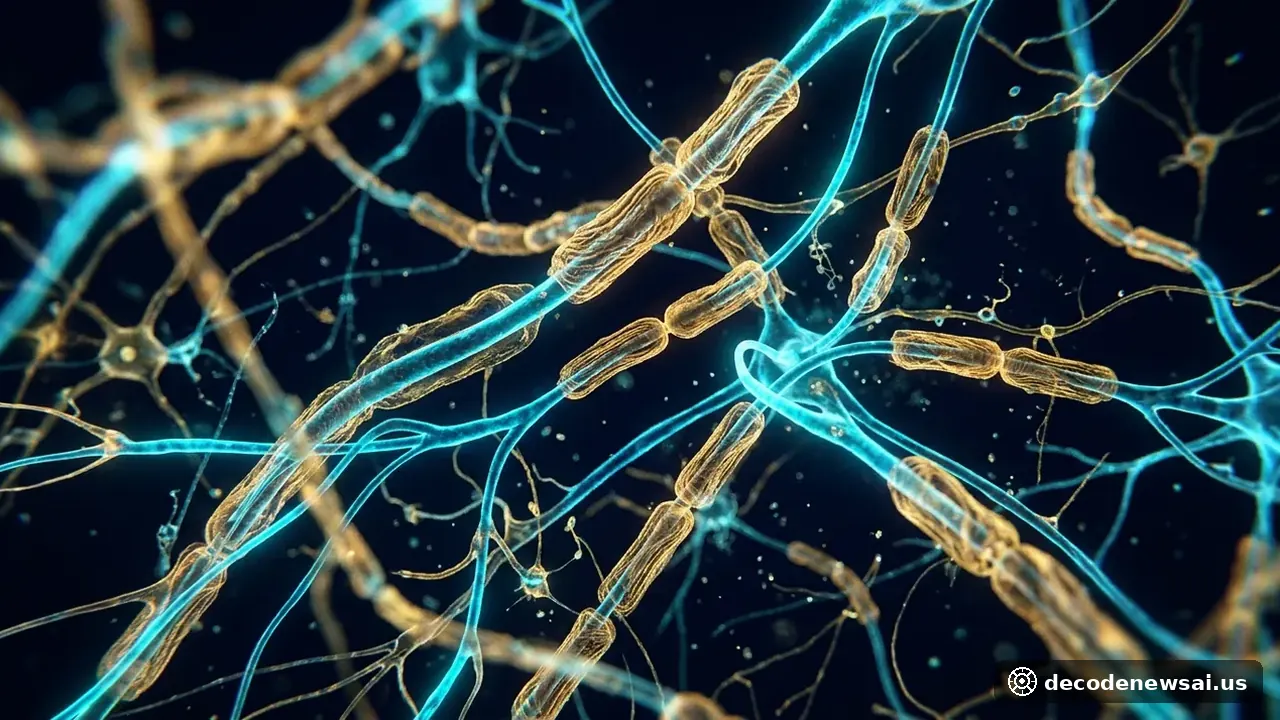
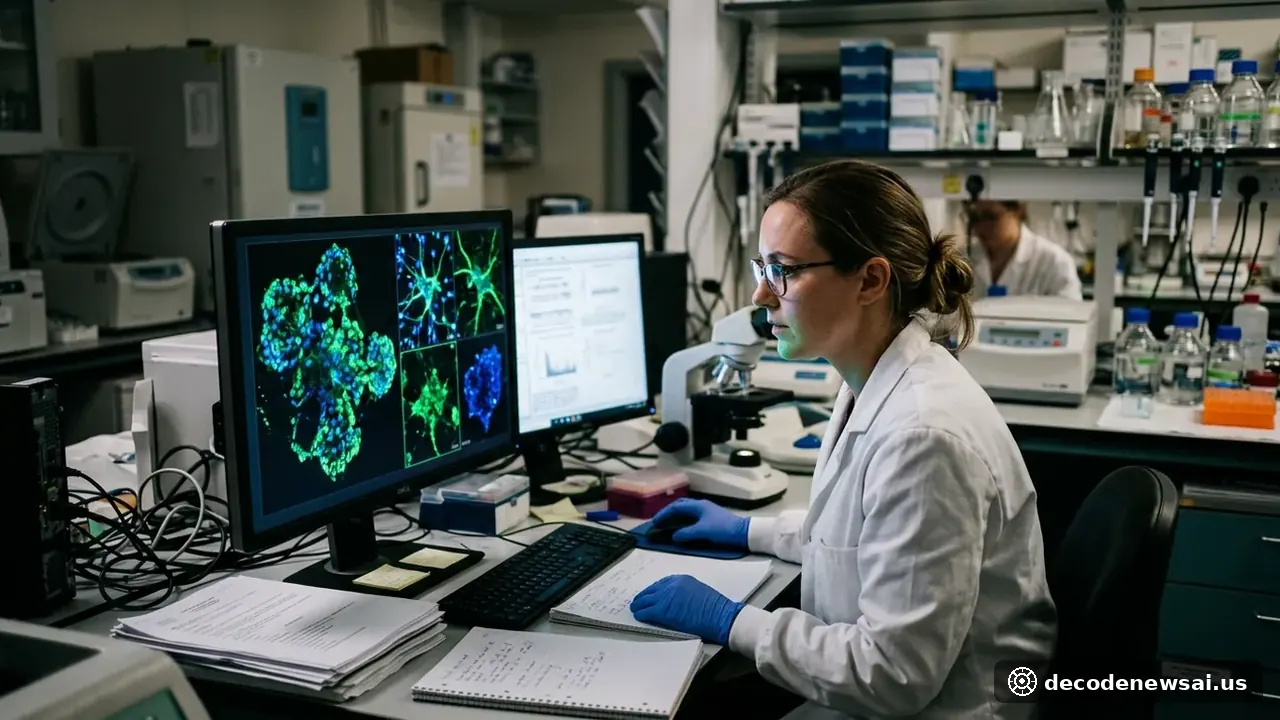
Using stem-cell-derived brain organoids, postdoc Patricia Gerdes found LINC00662 strongly expressed in human models but completely silent in chimpanzee models. When the team removed the viral sequence from chimpanzee cells using CRISPR-Cas9 gene editing, the gene switched back on. Conversely, silencing LINC00662 in human organoids lowered the activity of genes driving nerve cell development and neural connections.
Evolutionary Clues and Neurological Research
The findings show how ancient infections can permanently alter gene regulation across an entire species. "The virus we investigated specifically affected chimpanzees. Yet humans and chimpanzees have largely the same genetic makeup. That is why it is important to understand the differences in how genes are regulated. Our findings suggest that one gene, LINC00662, plays a significant role in early human brain development," said Johan Jakobsson, professor of molecular neurogenetics at Lund University.