PASADENA, Calif. - NASA's Jet Propulsion Laboratory pushed next-generation Mars helicopter rotor tips to Mach 1.08 across 137 test runs. Potential lift rose by 30%. No structural failure occurred.
Chamber Tests Simulate Thin Martian Atmosphere at Supersonic Speeds
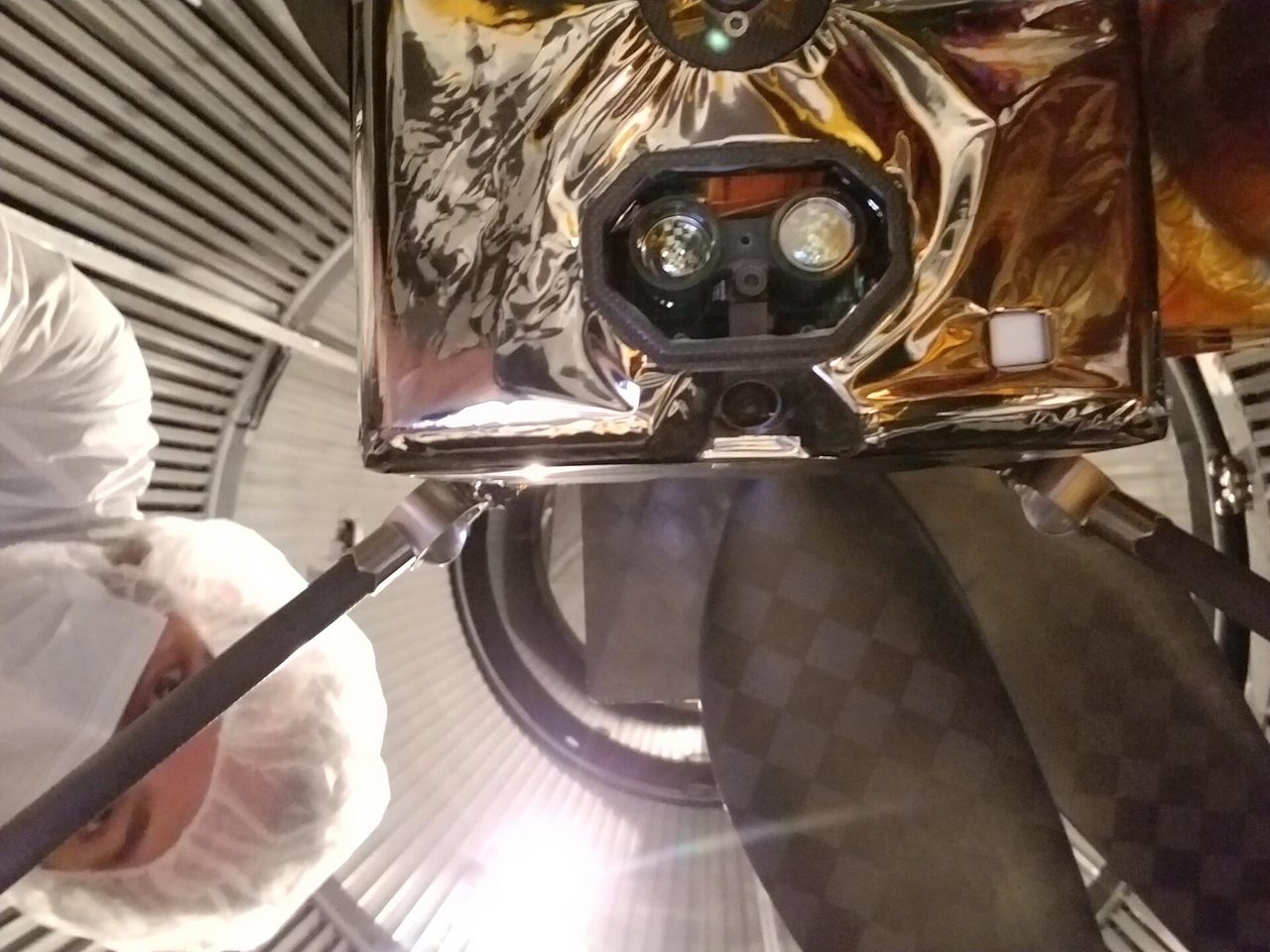
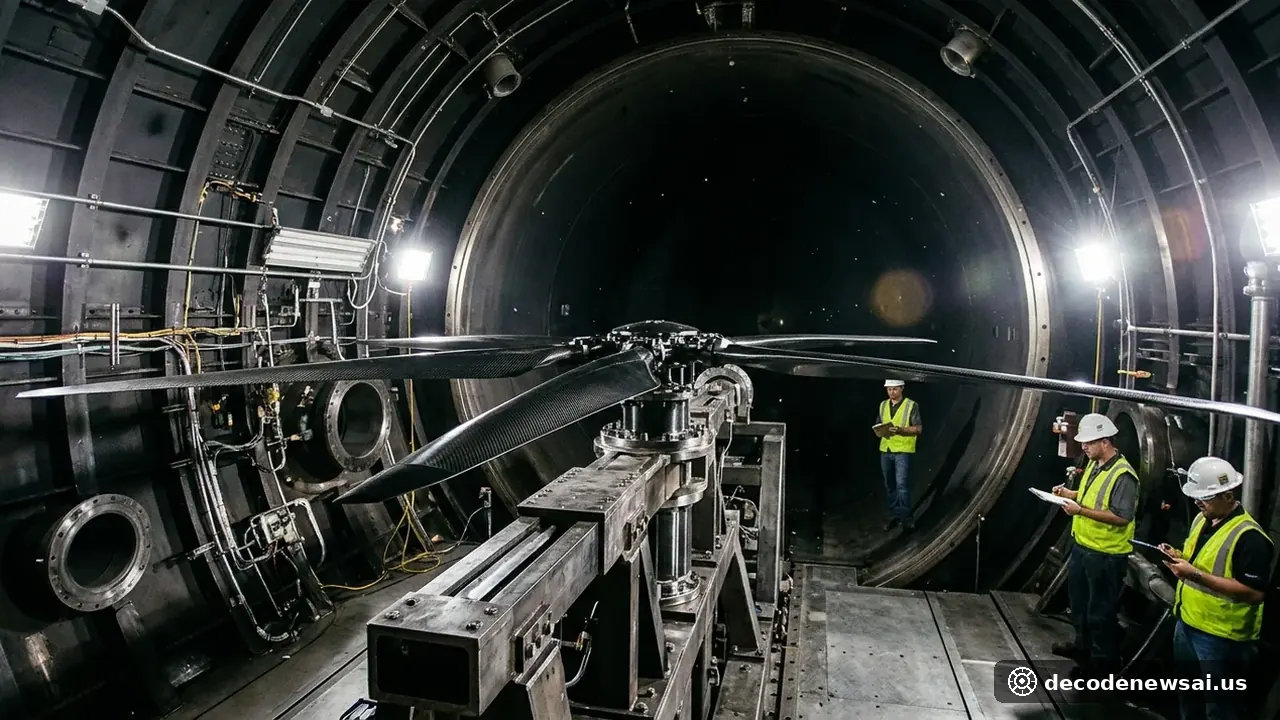
Mars's atmosphere is only 1% of Earth's. The speed of sound there is roughly 540 mph, compared with 760 mph at sea level on Earth. Inside JPL's 25-Foot Space Simulator filled with low-pressure carbon dioxide, engineers spun a three-bladed rotor to 3,750 revolutions per minute. It reached Mach 0.98 before engineers added simulated headwinds to surpass Mach 1.
Thirty Percent Lift Gain Supports December 2028 SkyFall Mission
During Ingenuity's 72 flights on Mars, engineers capped rotor speeds at 2,700 revolutions per minute. The cap aimed to avoid unstable supersonic airflow. Engineers also tested a longer two-bladed rotor. It reached near-supersonic tip speeds at 3,570 revolutions per minute, with data incorporated into specifications for the SkyFall mission slated to send three helicopters to Mars in December 2028.
Aerodynamicists Expect Additional Thrust Potential in Test Data
Researchers noted the rotors survived supersonic conditions inside the sheet-metal-reinforced chamber. They could carry heavier science instruments and batteries. According to NASA, Ames Research Center aerodynamicist Shannah Withrow-Maser said, "We thought we'd be lucky to hit Mach 1.05, and we reached Mach 1.08 on our last runs. We're still digging into the data, and there may be even more thrust on the table."