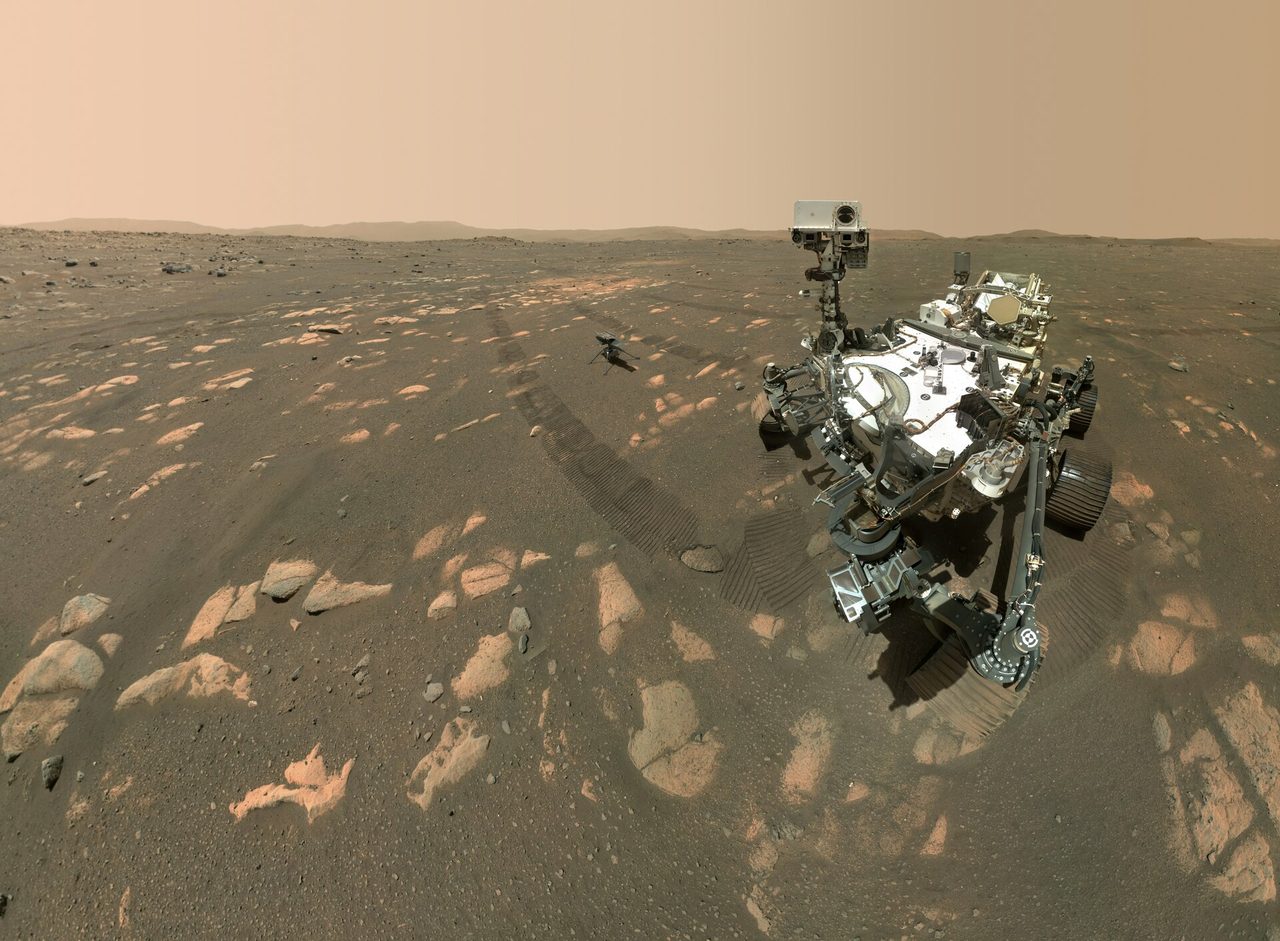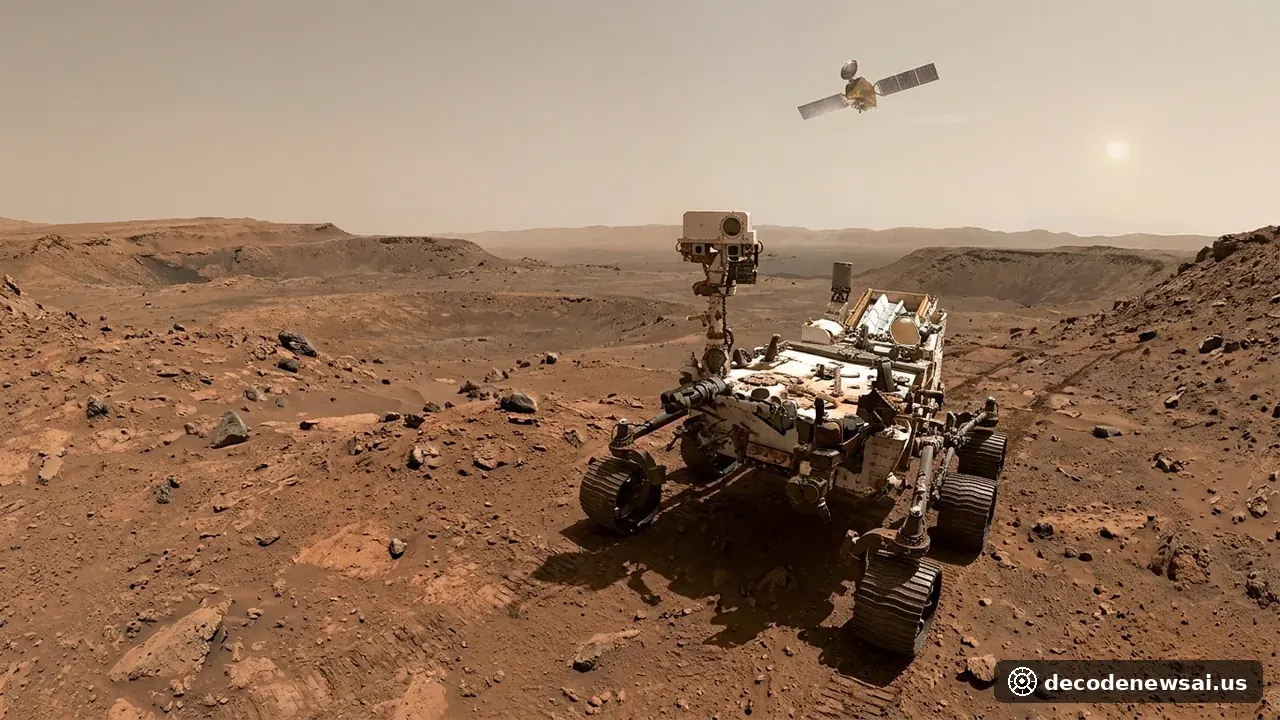
PASADENA, Calif. - NASA reported on November 19. Separate hardware faults forced temporary science pauses on both. One was the Perseverance rover. The other was the Mars Odyssey orbiter.
Rover Relies on Slow Direct Earth Link
Perseverance entered safe mode on October 30. Its primary UHF radio missed 25 consecutive heartbeat signals. The signals were missed over roughly 100 seconds.
Engineers later discovered the backup radio transmits. It transmits at only half its expected power. That prompted a switch to a slower direct-to-Earth X-band antenna. The antenna leaves insufficient bandwidth for routine imaging.
Perseverance project manager Steven Lee said. "However, if the radio stops sending the heartbeat due to a fault, after a certain number of missing heartbeats in a row, the computer swaps to the redundant one,"
Reaction Wheel Fault Strains Odyssey Fuel
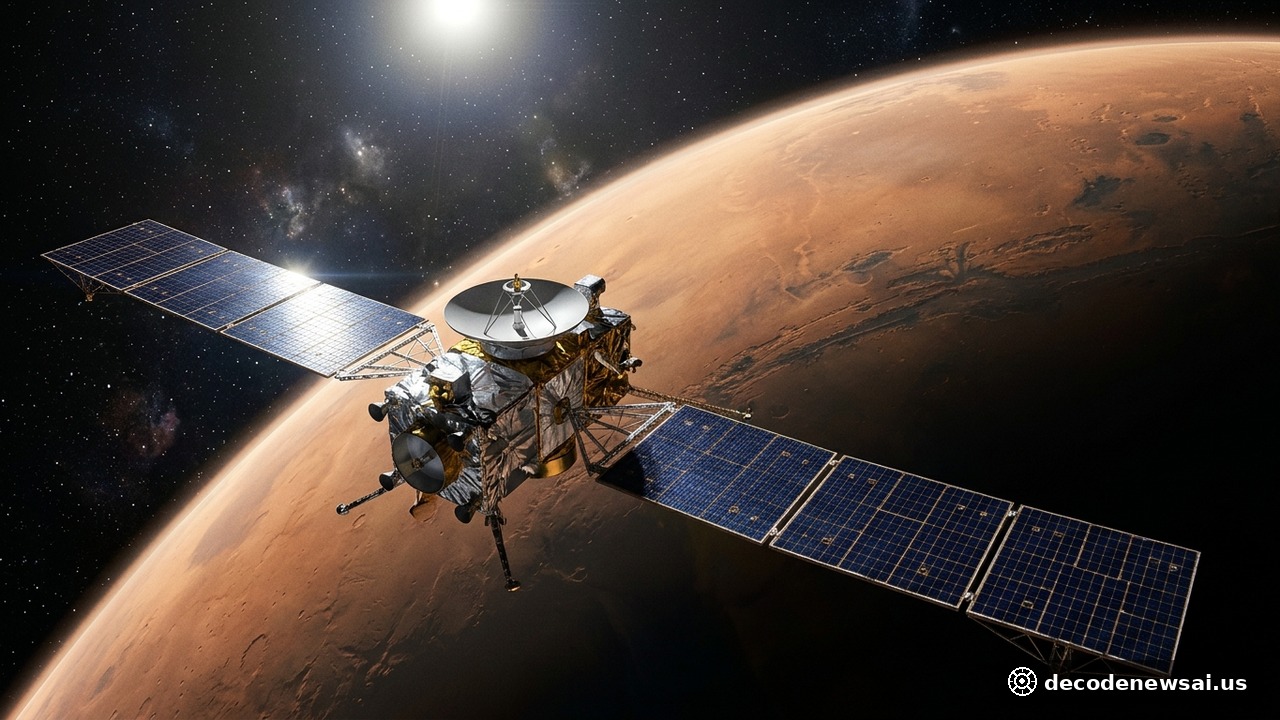
Meanwhile, the 25-year-old Mars Odyssey orbiter entered safe mode. It was between November 4 and 6. One of its four orientation reaction wheels stopped spinning.
Another wheel was already lost in 2013. Three are required for steady pointing. Odyssey would have to rely on thrusters. The thrusters are backed by only one to two months of remaining hydrazine fuel if the wheel cannot recover.
Teams Target Late-November Return to Science
NASA's Jet Propulsion Laboratory and Lockheed Martin engineers have nudged the stuck wheel. The nudges came in early tests.
Both spacecraft remain stable. Teams are targeting the final week of November to resume science operations.