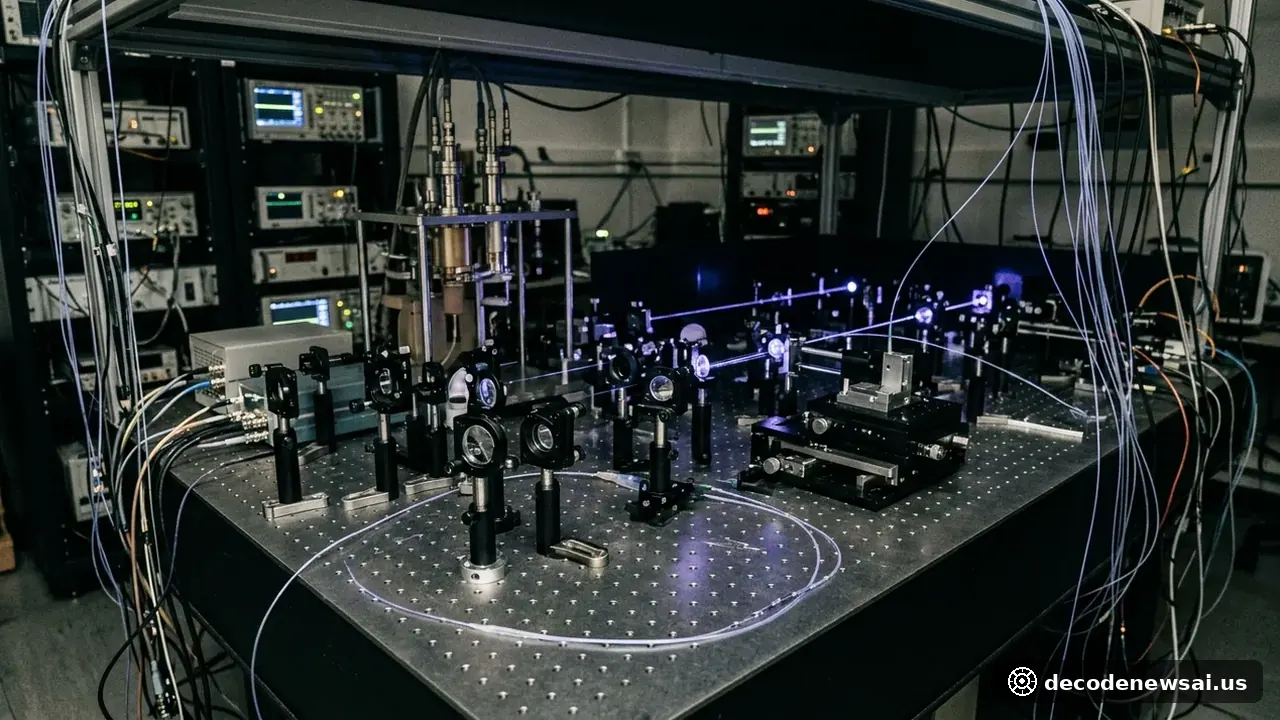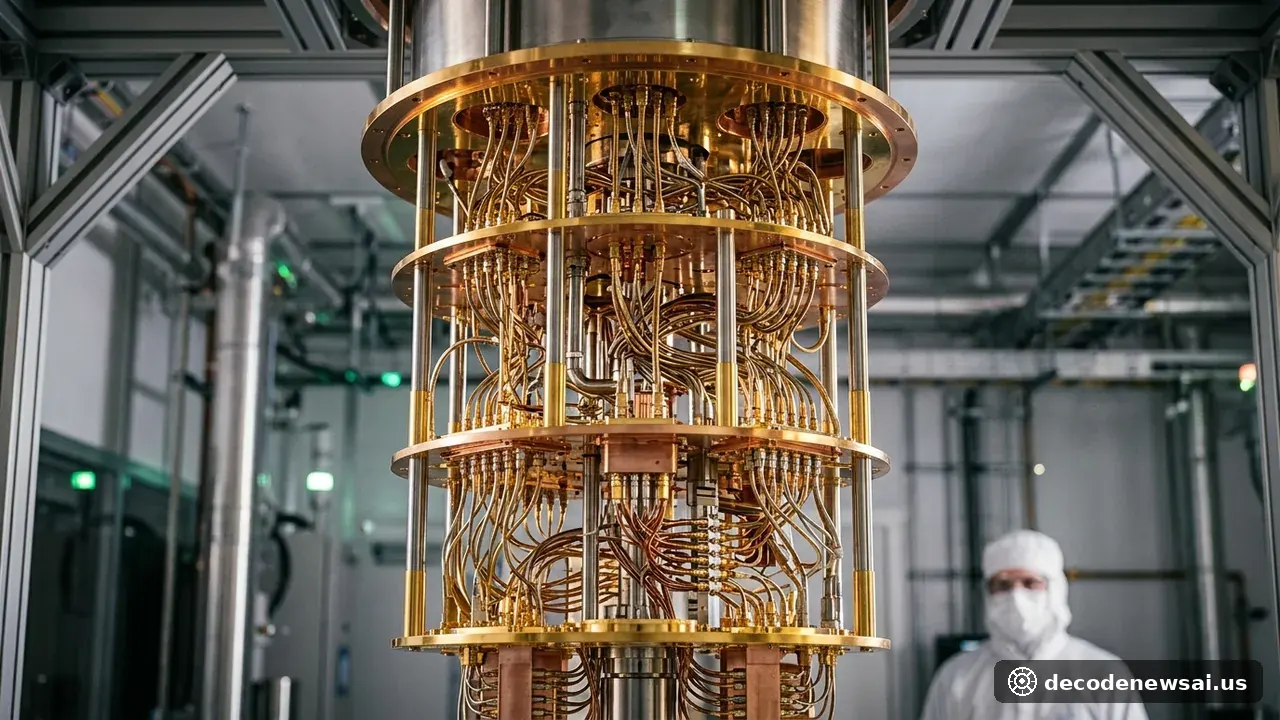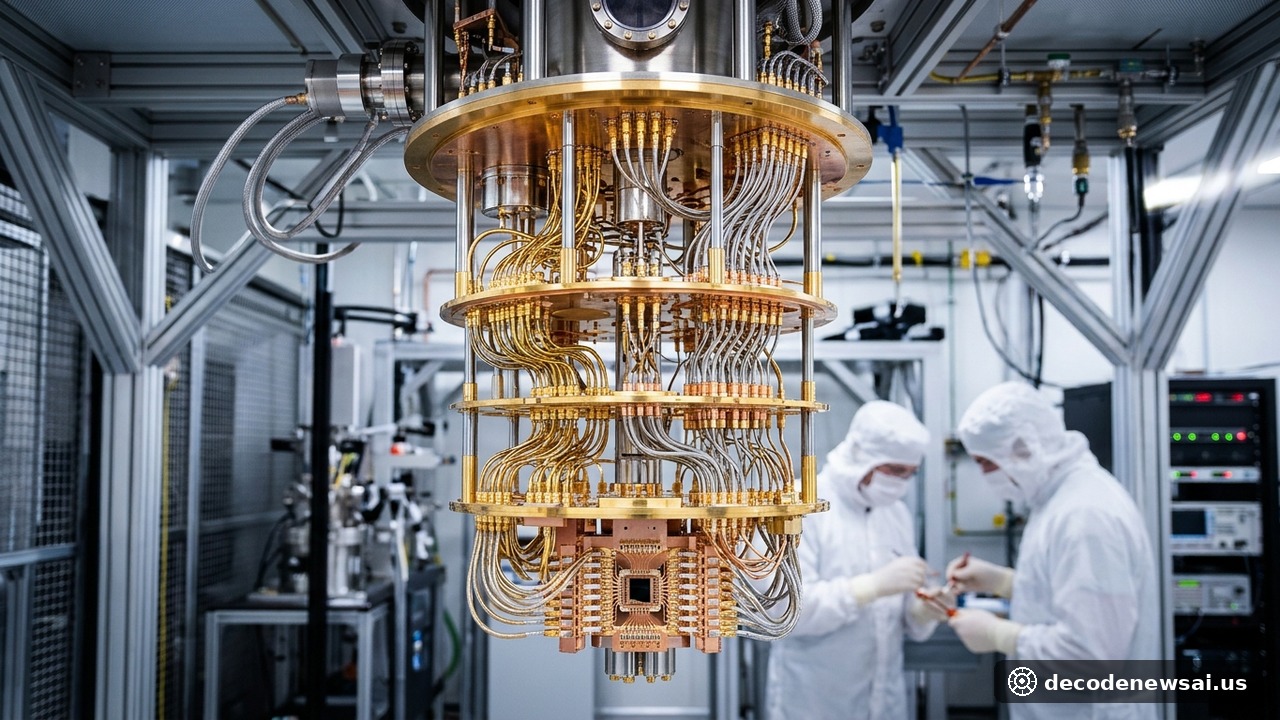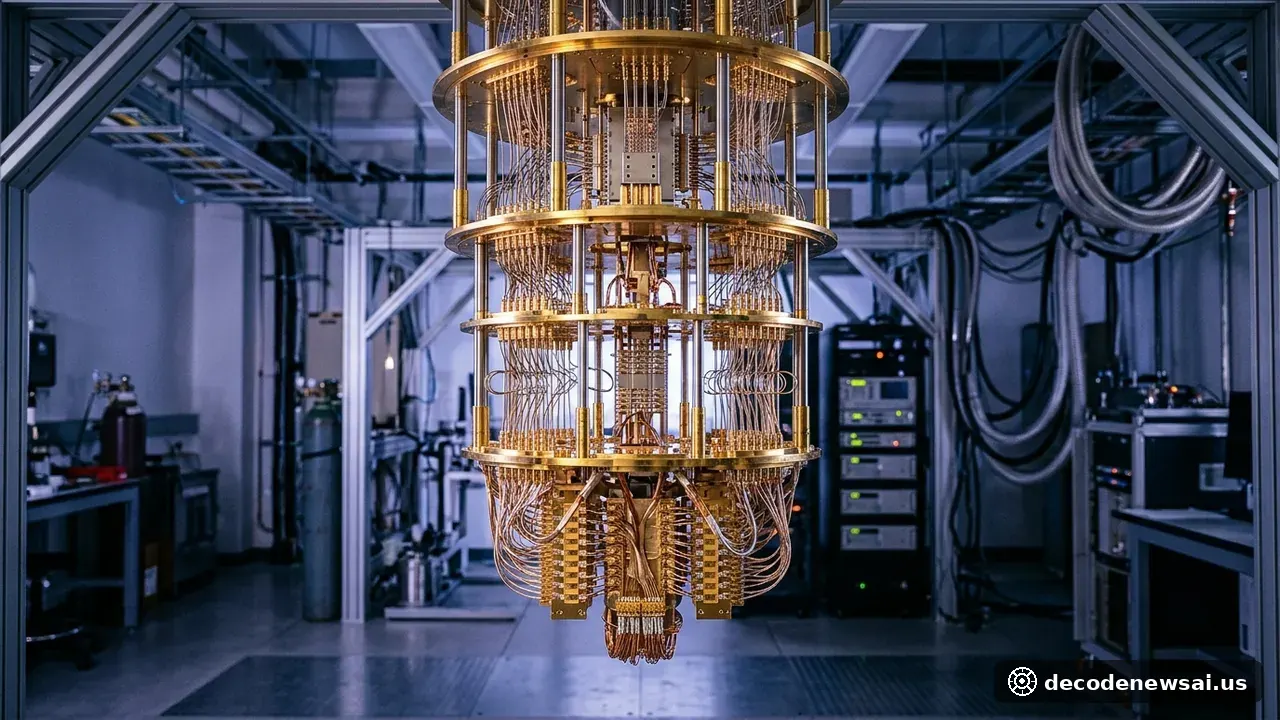
DELFT, Netherlands - Researchers at QuTech in Delft demonstrated coherent control of a quantum bit built from Majorana quasiparticles. Nature published the milestone on Nov. 25. The work followed 15 years of experimental work.
Coupled Kitaev Chains Enable Qubit Control
Lead authors Francesco Zatelli, Bart Roovers, and Nick van Loo built the qubit using two minimal Kitaev chains. The chains were inside an indium antimonide nanowire. Each chain contained two quantum dots hosting two Majorana modes. By briefly coupling the chains and varying interaction times, the team observed steady coherent parity oscillations and proved they can deliberately rotate and read out the qubit's quantum state.
Short Chains Offer Limited Coherence Time
Unlike conventional qubits that store data in a single location, Majorana qubits encode quantum information non-locally across paired modes. Physicist Alexei Kitaev proposed the concept 25 years ago to resist environmental noise. In this minimal two-dot design, known as poor man's Majoranas, coherence currently decays within tens of nanoseconds. That is because the modes sit close together.
Longer Chains Are the Next Step for Protection
The team is already testing three-dot chains. The Delft team aims to verify whether separating the Majorana modes further exponentially extends qubit stability. "For the first time, we can coherently control a qubit based on Majorana modes. This is something we have been working towards for several years," van Loo said, while group leader Leo Kouwenhoven noted the platform opens experiments into non-Abelian exchange statistics.