FAYETTEVILLE, Ark. - Researchers at the University of Arkansas have 3D-printed simulated lunar dust into LEGO-like interlocking bricks without Earth-shipped binders, offering a potential building block for future moon bases.
Laser Fusion Forms Cross and H-Shaped Blocks
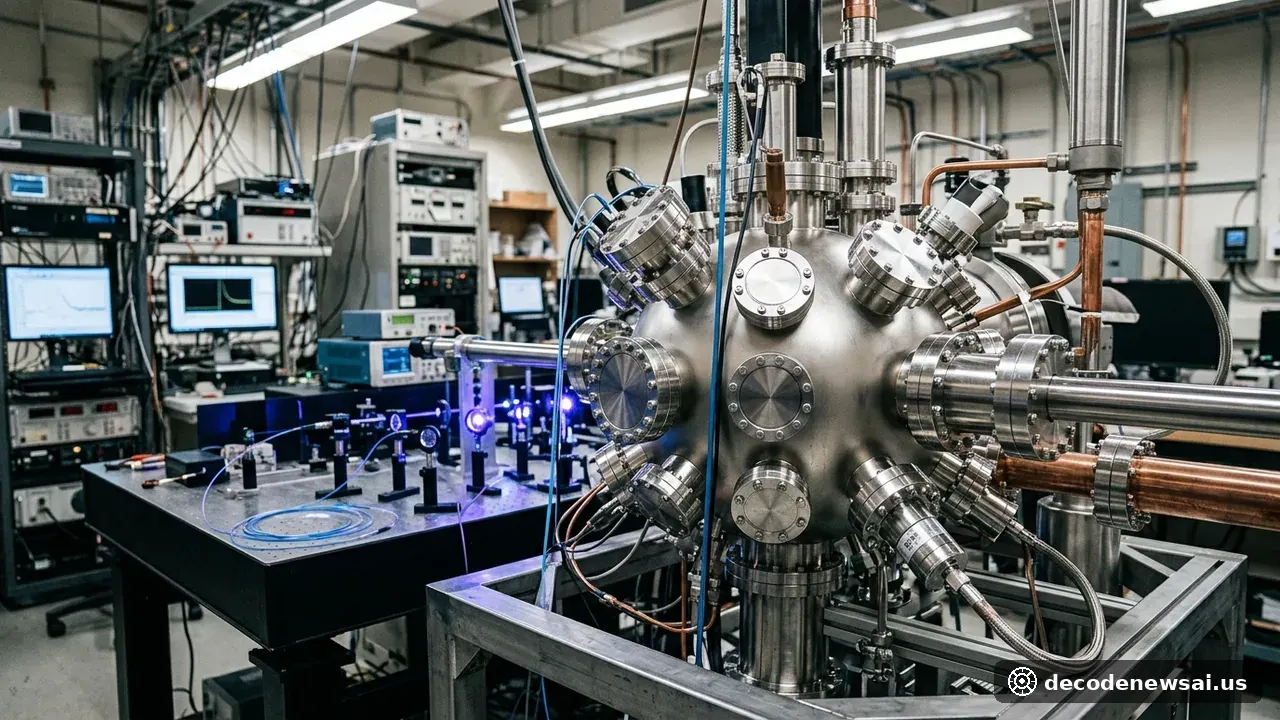
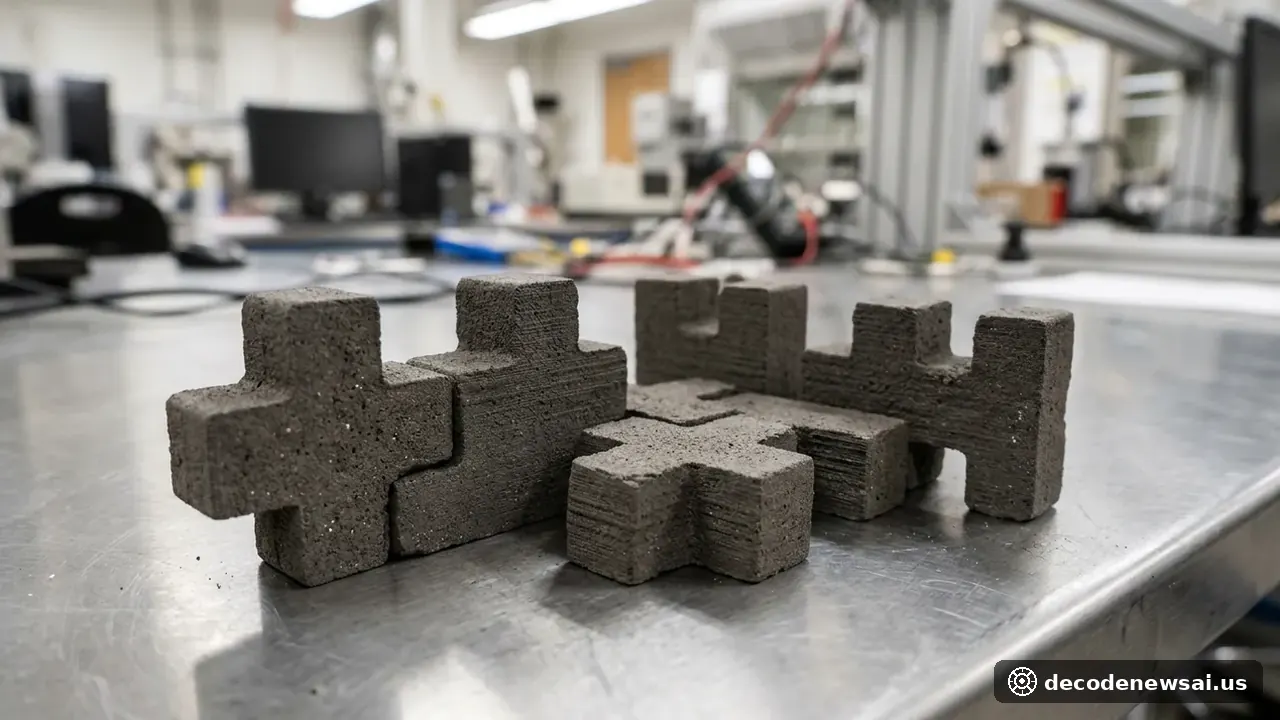
Published in npj Advanced Manufacturing and highlighted on Nov. 19–20, 2026, the study led by Cole McCallum and Wan Shou used laser powder bed fusion on Lunar Highlands Regolith Simulant (LHS-1). "Using a relatively low-power light source, they became the first researchers to directly fuse simulated lunar regolith into interlocking, reconfigurable construction blocks without adding a binding agent," ScienceDaily reported. Inspired by mortise-and-tenon joinery, the centimeter-scale bricks take cross and H shapes that snap together and detach cleanly.
Cargo Savings Versus Structural Limits
Printing habitats from local lunar dust could slash launch costs by eliminating the need to haul heavy chemical binders from Earth. However, the binder-free bricks remain more porous and structurally weaker than bonded prints, meaning they can support their own weight but cannot yet bear external structural loads.
Vacuum and Low-Gravity Testing Ahead
The research team plans to test the laser-printing method under vacuum and reduced-gravity conditions next. Refining laser intensity and powder density will determine whether larger, load-bearing lunar structures become feasible.